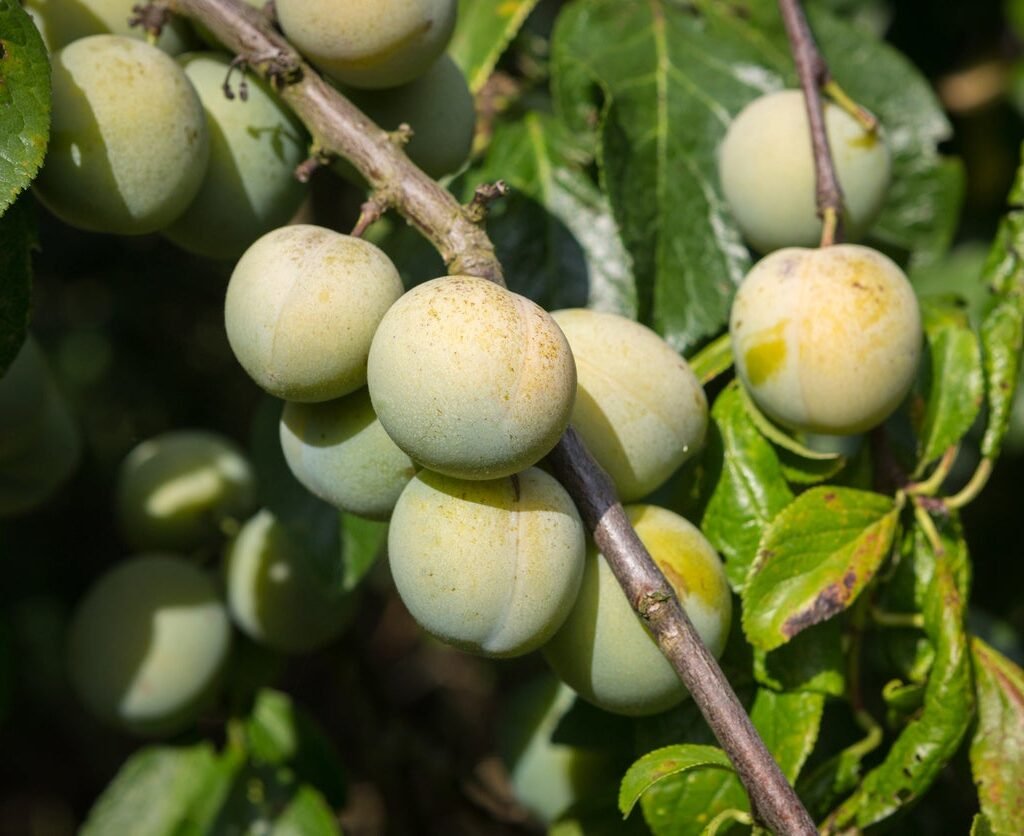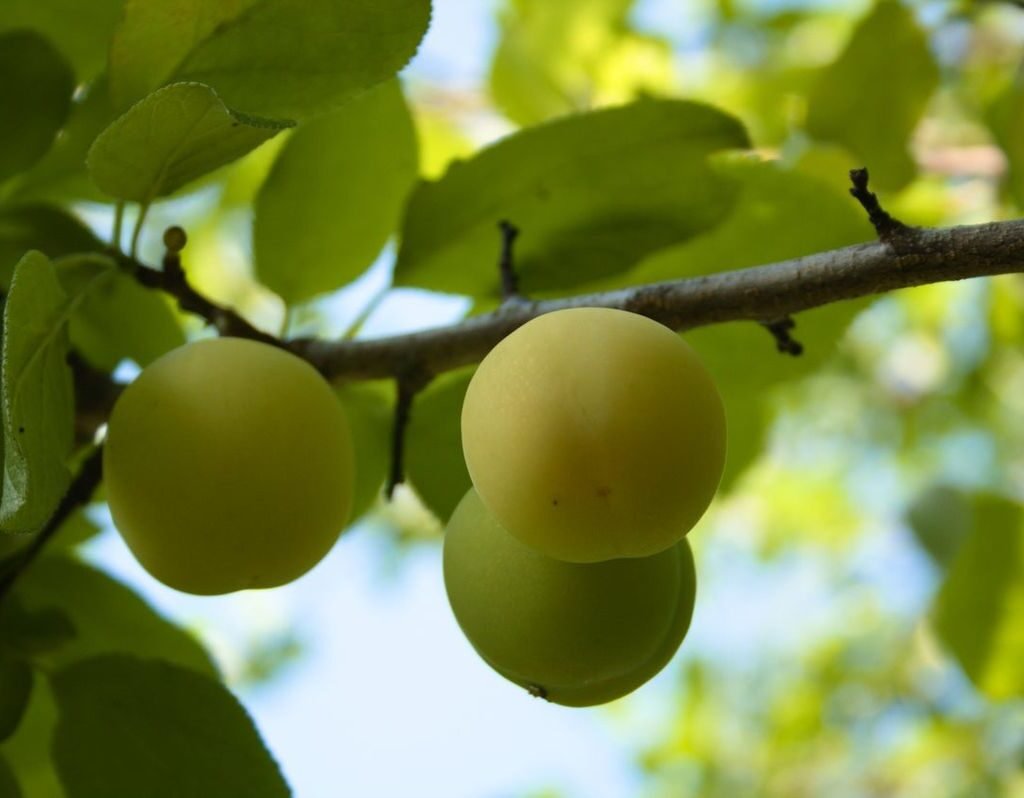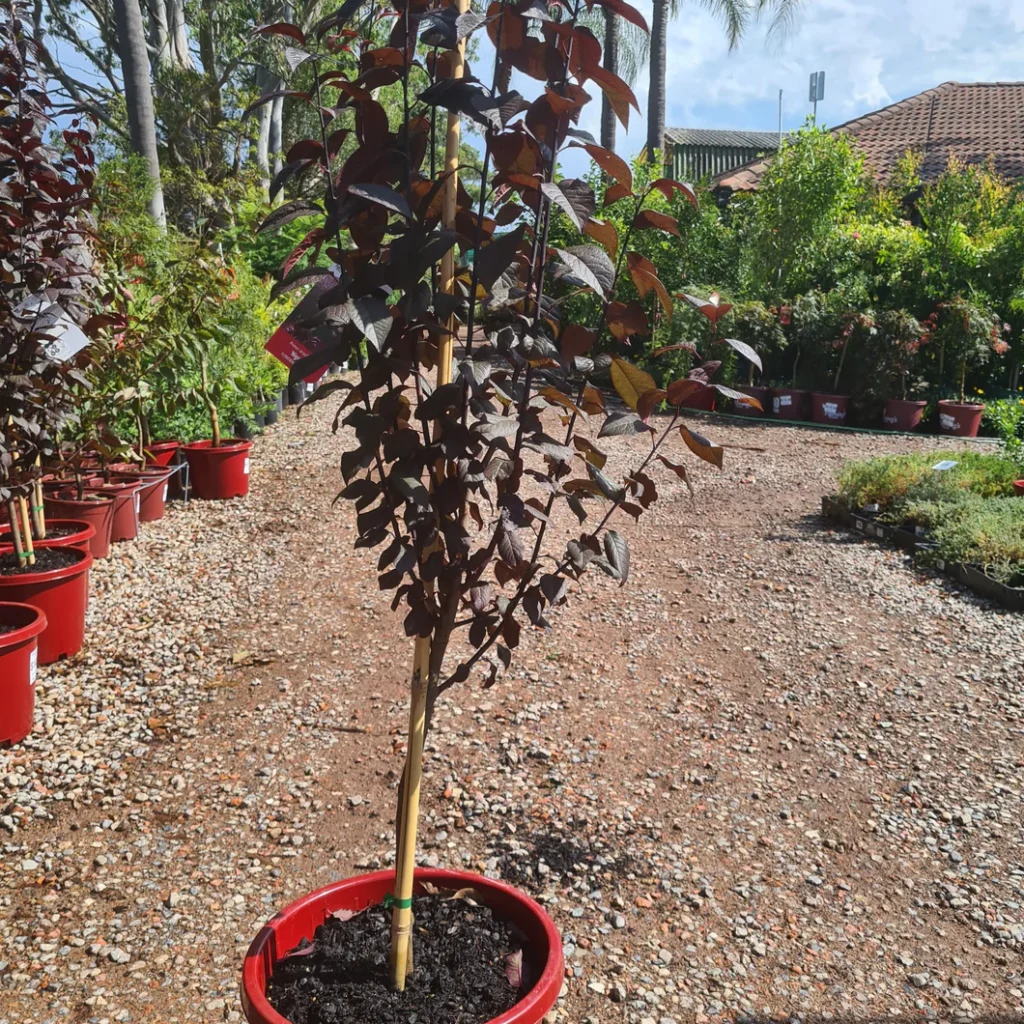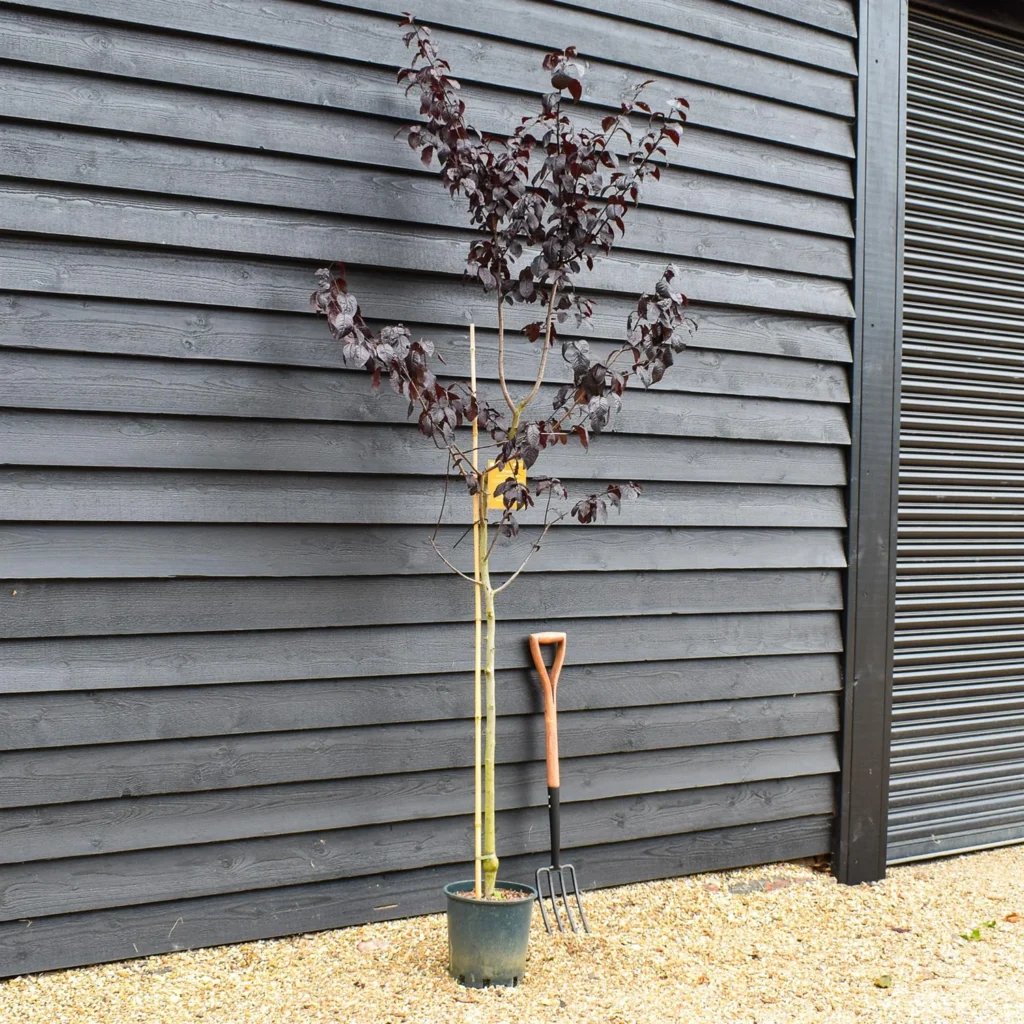
How to Grow a Satsuma Plum Tree: Complete Guide to Planting and Caring for Delicious Plums

How to Grow a Satsuma Plum Tree: Complete Guide to Planting and Caring for Delicious Plums

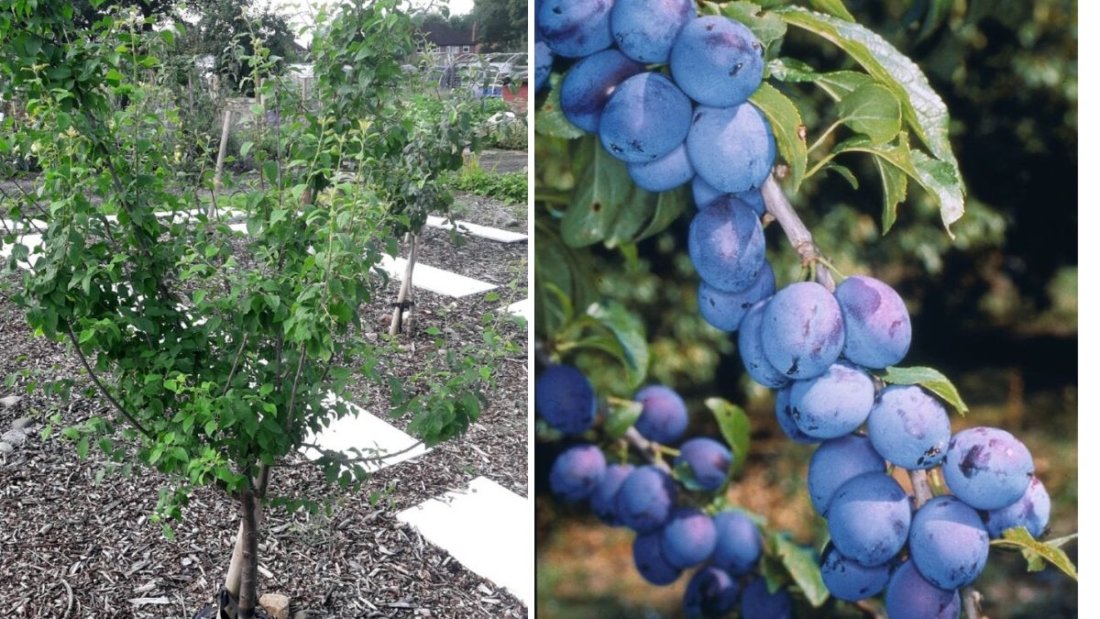
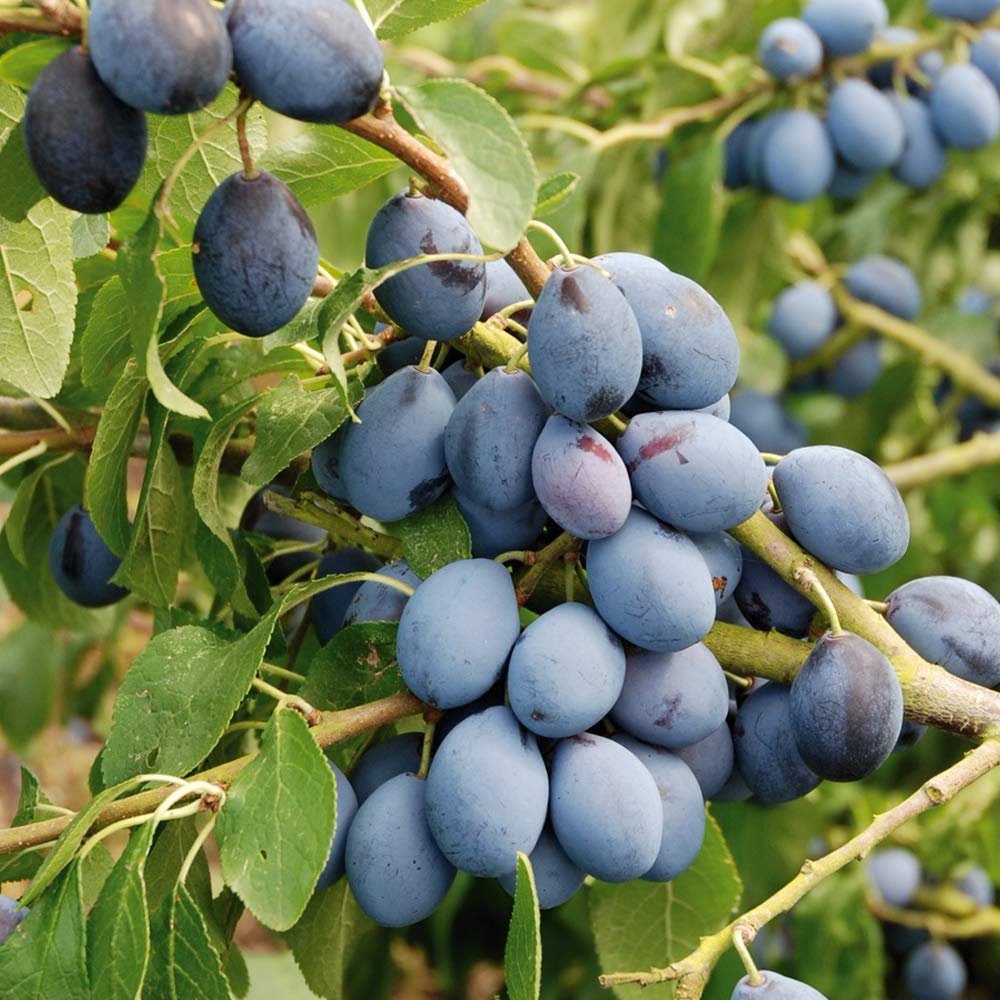
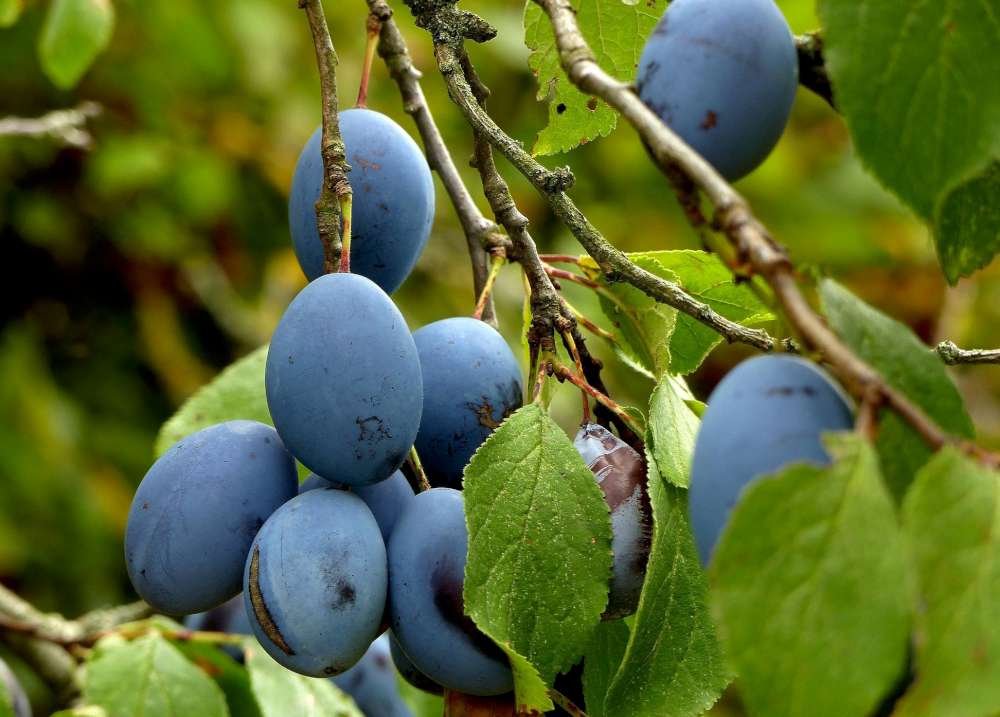
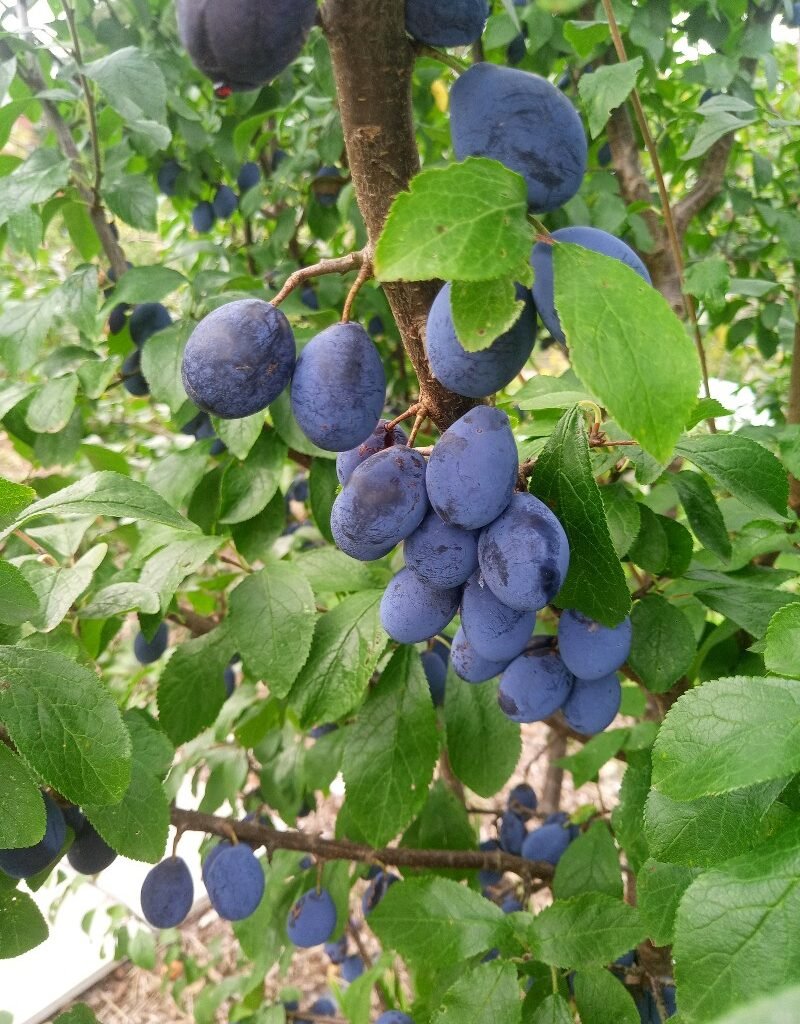
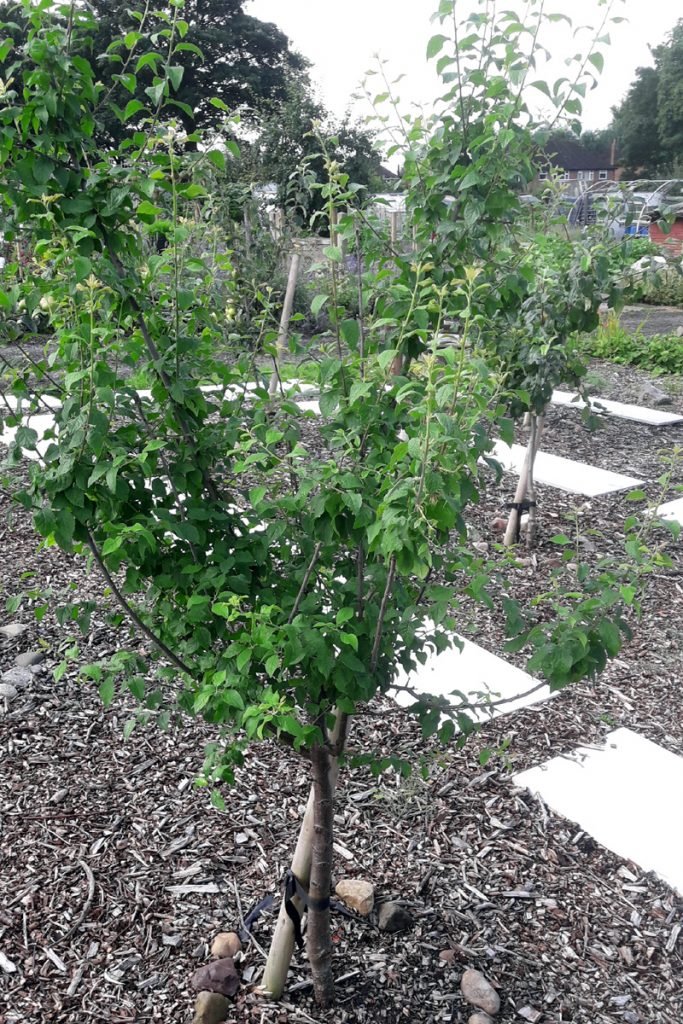
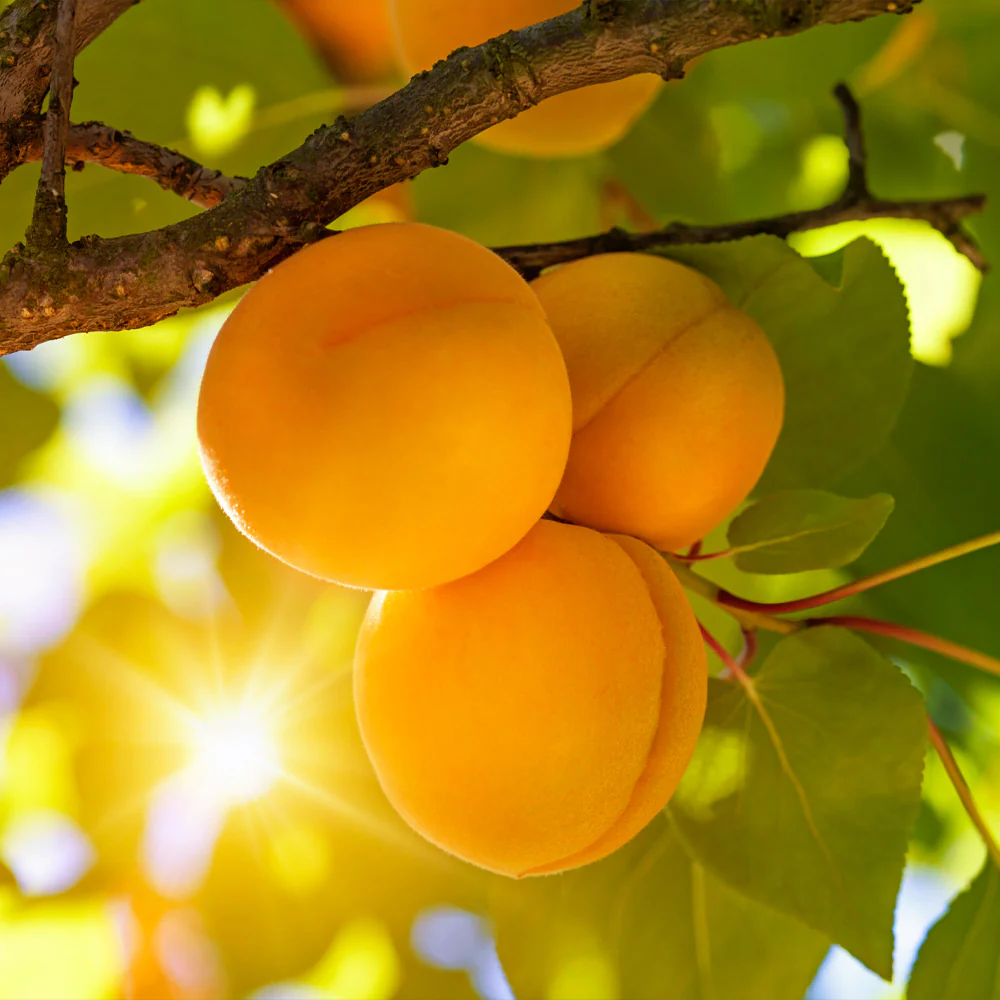
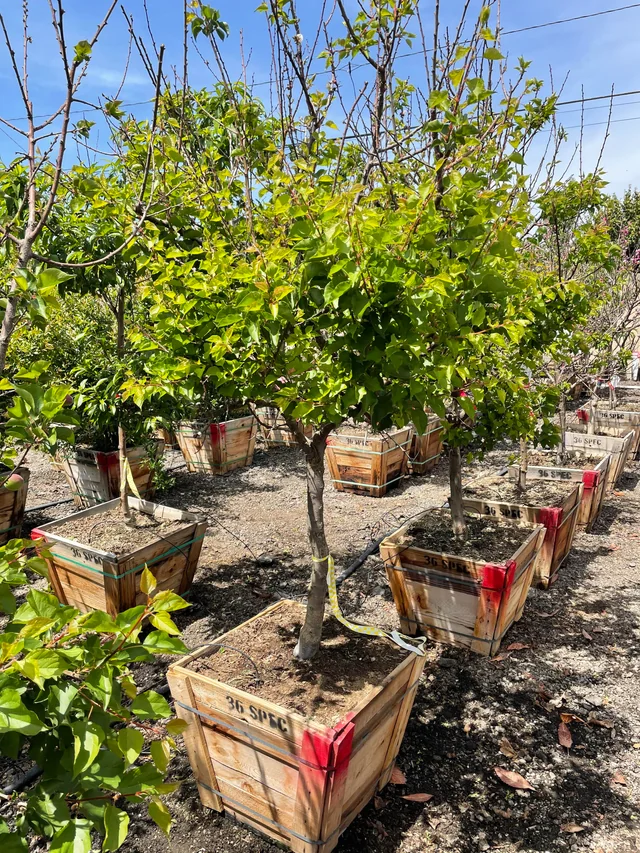
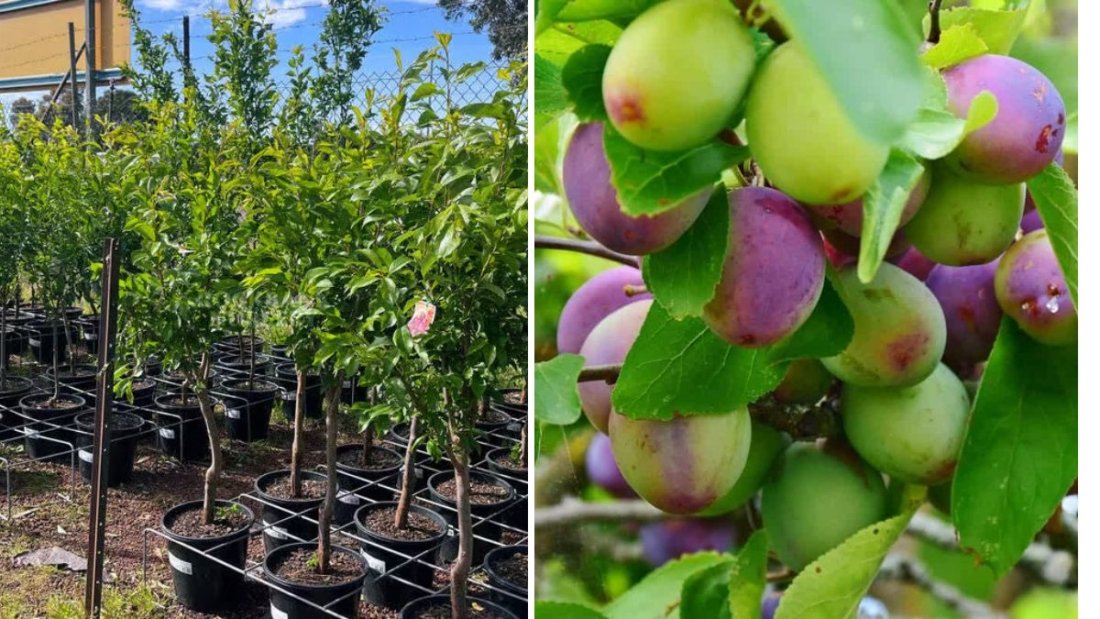
Growing your own plum trees can be one of the most rewarding experiences for any home gardener or fruit enthusiast. Among the many plum varieties available, the Satsuma Plum Tree (Prunus salicina ‘Satsuma’) stands out for its delicious, juicy red flesh and rich, sweet flavor with a hint of tartness. Originating from Japan and widely cultivated in warm regions, Satsuma plums are prized for their beauty, productivity, and taste.

If you’ve been thinking about growing your own Satsuma plum tree, this guide will walk you through everything you need to know — from selecting the right planting site to caring for your tree and enjoying a bountiful harvest.


What Makes the Satsuma Plum Special?
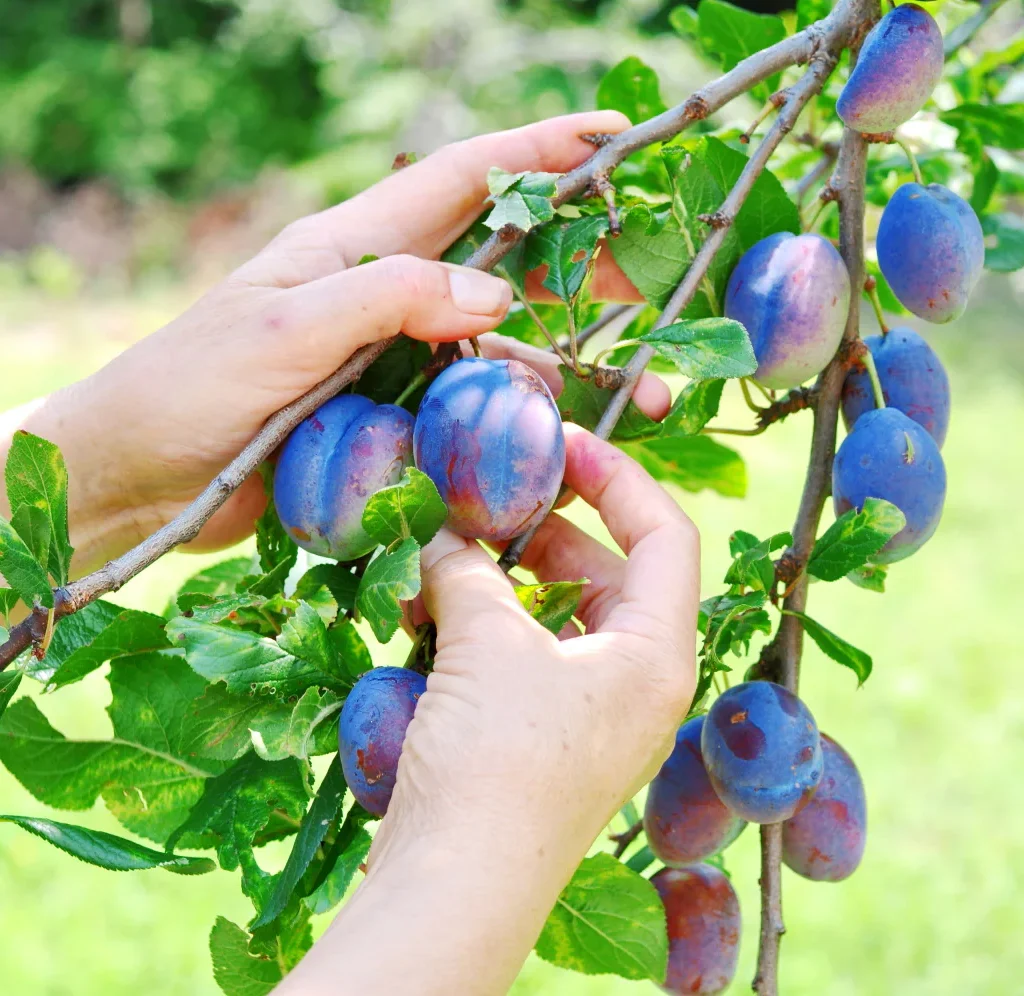
Satsuma plums belong to the Japanese plum family, known for their large, juicy fruits and beautiful spring blossoms. The fruits are deep red to purplish on the outside and feature a rich, dark red flesh inside. They’re excellent for eating fresh, making jams, baking, or even drying.

This variety is self-unfruitful, which means it requires another Japanese plum tree variety (like Santa Rosa, Methley, or Shiro) for cross-pollination and fruit set. However, once pollinated, it produces abundant fruit in mid to late summer.

Satsuma plums also have a delightful ornamental value, with their white spring blossoms and glossy green leaves that turn golden in fall.


Ideal Growing Conditions
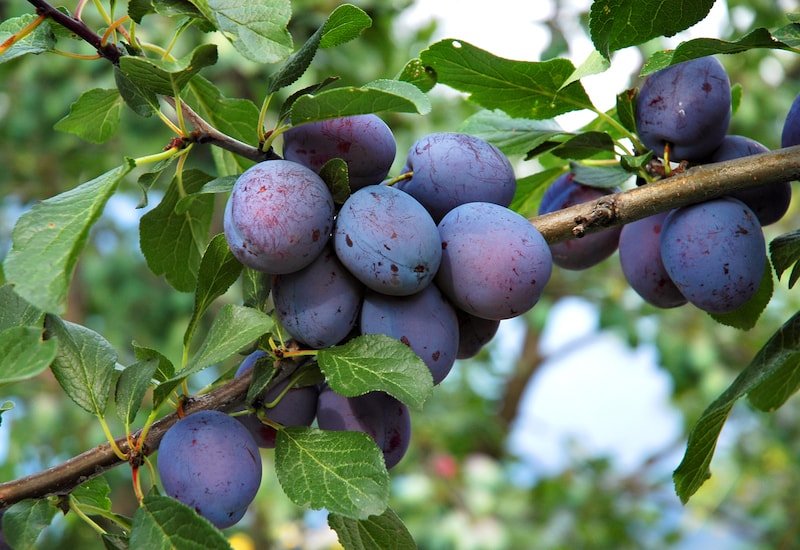
To grow a healthy and productive Satsuma plum tree, it’s important to provide the right environment.

1. Climate:
Satsuma plums thrive in USDA zones 5–9, preferring mild winters and warm, dry summers. They can tolerate short periods of frost but need around 400–500 chill hours (hours below 45°F) for proper flowering and fruiting.

2. Sunlight:
Choose a location with full sun exposure — at least 6 to 8 hours of direct sunlight daily. Plums love sunlight, and sufficient light ensures better flowering, fruiting, and fruit sweetness.

3. Soil Requirements:
Plum trees prefer well-draining loamy soil enriched with organic matter. Avoid planting in waterlogged or heavy clay soil, as this can lead to root rot.

  • Ideal pH range: 6.0 to 7.5
  • Before planting, improve soil texture by adding compost, aged manure, or organic mulch.

4. Space:
Give your plum tree enough space to grow. Standard trees need about 15–20 feet of spacing, while dwarf or semi-dwarf varieties can be planted 10–12 feet apart.


How to Plant a Satsuma Plum Tree
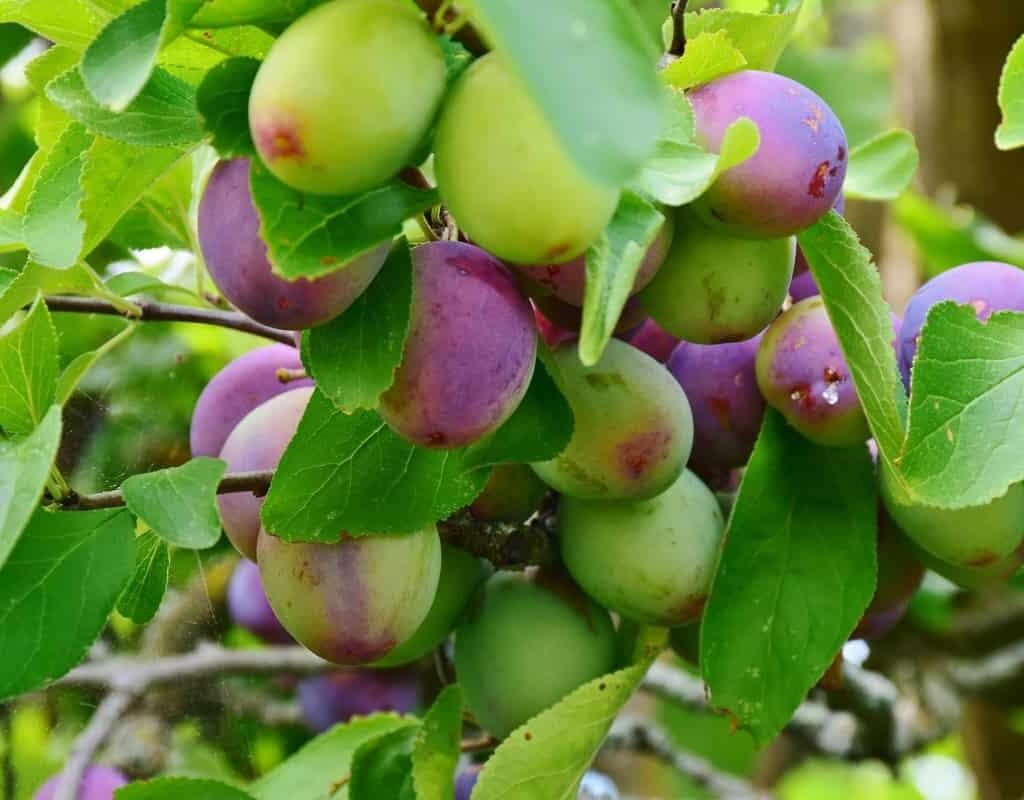
Planting correctly is crucial to ensure your Satsuma plum tree establishes well and grows vigorously.

Step 1: Choose the Right Time to Plant
The best time to plant a plum tree is late winter to early spring, while the tree is still dormant. In warmer climates, you can also plant in fall to allow roots to establish before summer.

Step 2: Prepare the Planting Hole

  • Dig a hole about twice as wide and as deep as the tree’s root ball.
  • Loosen the soil around the hole to help roots spread easily.
  • Mix compost into the backfill soil for extra nutrients.

Step 3: Positioning the Tree

  • Remove the tree from its container and gently untangle the roots.
  • Place the tree in the hole so that the graft union (the bump on the trunk above the roots) sits 2–3 inches above soil level.
  • Backfill with soil, gently firming it around the roots to remove air pockets.

Step 4: Water Thoroughly
Water deeply right after planting to help the soil settle around the roots. Keep the soil moist but not soggy during the first growing season.

Step 5: Mulching
Apply a 2–3 inch layer of mulch (like straw, wood chips, or leaves) around the base, leaving a small gap around the trunk. This helps retain moisture, regulate soil temperature, and suppress weeds.


Watering and Feeding Your Tree
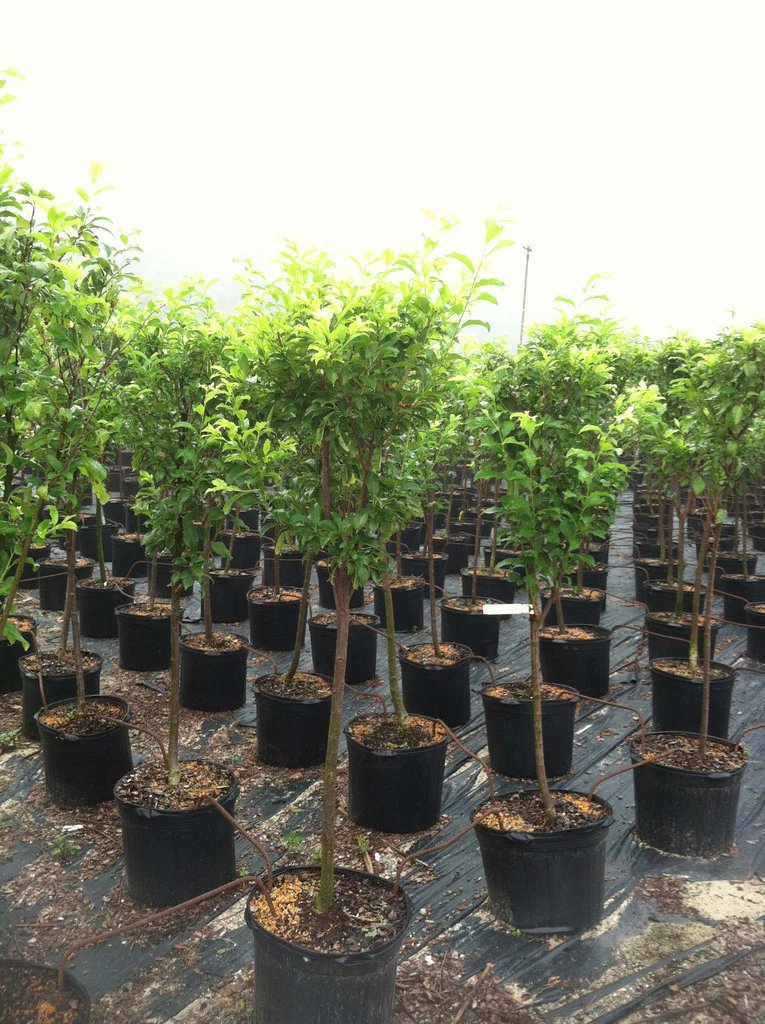
1. Watering:
Satsuma plum trees need consistent moisture, especially during their first few years and when fruits are developing.

  • Water once or twice a week during dry spells.
  • Avoid overwatering — soggy soil can cause root rot.
  • Drip irrigation or a slow soak at the base works best.

2. Fertilization:
Feed your plum tree regularly to promote strong growth and fruiting.

  • In early spring, apply a balanced fertilizer (10-10-10 NPK).
  • As the tree matures, switch to a fruit tree fertilizer high in potassium and phosphorus to encourage flowering and fruit set.
  • Avoid excessive nitrogen, which promotes leafy growth at the expense of fruits.

You can also use compost or well-rotted manure annually to enrich soil health naturally.


Pruning and Shaping Your Satsuma Plum Tree
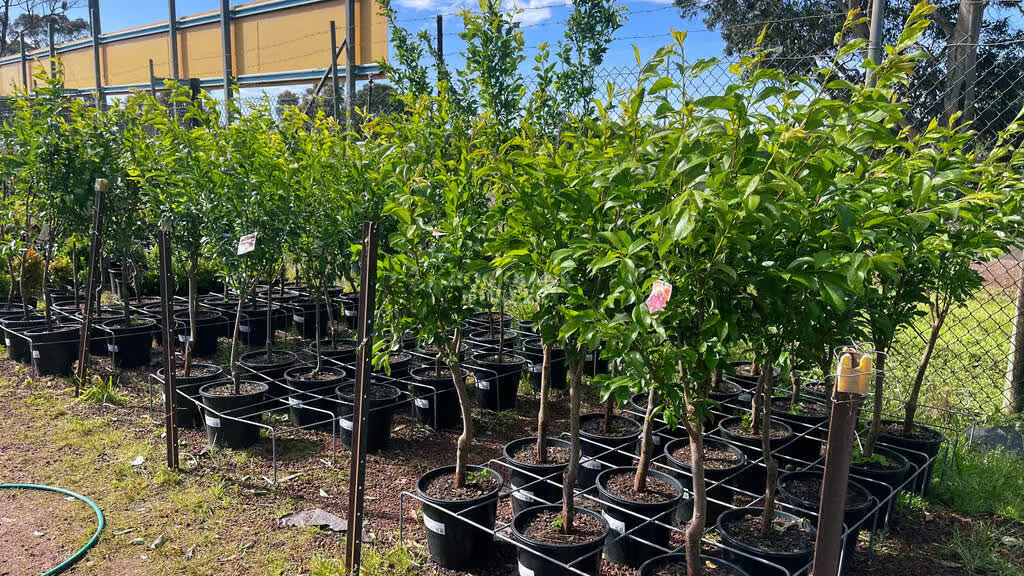
Pruning is essential for keeping your tree healthy, productive, and easy to harvest.

1. Training Young Trees:
In the first few years, shape the tree into an open-center or vase form — this allows sunlight to reach the inner branches and promotes air circulation.

2. Annual Pruning:
Prune during late winter or early spring before new growth begins.

  • Remove any dead, diseased, or crossing branches.
  • Thin out crowded branches to maintain a strong framework.
  • Keep the tree around 8–10 feet tall for easier maintenance.

3. Summer Pruning:
Light pruning after harvest helps maintain the shape and encourages new growth for next year’s fruiting wood.


Pollination Tips

Since Satsuma plum trees are not self-pollinating, you’ll need another compatible Japanese plum nearby for successful fruit set.

Recommended pollinators include:

  • Santa Rosa Plum
  • Burbank Plum
  • Methley Plum
  • Shiro Plum

Plant your pollinator tree within 50 feet of your Satsuma plum to allow bees and other pollinators to transfer pollen effectively.


Flowering and Harvesting

Flowering:
Satsuma plums bloom in early spring with clusters of white flowers. Late frosts can damage blossoms, so protect young trees if temperatures drop suddenly.

Harvest Time:
Fruits typically ripen in mid to late summer, depending on your local climate. You’ll know they’re ready when they turn deep red to purplish and feel slightly soft to the touch.

Harvesting Tips:

  • Gently twist or cut fruits from the stem.
  • Handle with care to avoid bruising.
  • Fresh plums can be stored in the refrigerator for up to two weeks, or you can dry, can, or freeze them for longer storage.

Common Pests and Problems

While Satsuma plums are relatively easy to grow, they can face some challenges.

1. Pests:

  • Aphids: Cause curling leaves and sticky residue. Use neem oil or insecticidal soap.
  • Plum Curculio: Tiny beetles that damage developing fruit. Pick up fallen fruit and apply organic pest control sprays.
  • Japanese Beetles: Handpick or use pheromone traps.

2. Diseases:

  • Brown Rot: A fungal disease that affects flowers and fruit. Prune affected areas and apply a copper fungicide during bloom.
  • Black Knot: Causes black growths on branches. Prune out and destroy infected parts.

Good air circulation, pruning, and keeping the area clean of fallen debris can significantly reduce disease risks.


Winter Care and Protection

In colder regions, protect young plum trees from frost and winter winds:

  • Wrap the trunk with tree guards or burlap.
  • Apply a thick layer of mulch to insulate roots.
  • Avoid fertilizing late in the season — this can encourage tender new growth that’s easily damaged by frost.

Enjoying the Fruits of Your Labor

Once your Satsuma plum tree matures, you’ll enjoy baskets of rich, flavorful plums year after year. These plums are perfect for fresh snacking, homemade plum jam, tarts, or even fermented plum wine. The satisfaction of harvesting fruit from your own tree is unmatched — it’s a testament to patience, care, and a bit of nature’s magic.


Final Thoughts

Growing a Satsuma plum tree is a delightful project for any gardener. With the right planting site, proper care, and a compatible pollinator, your tree will reward you with luscious, ruby-red plums and beautiful blossoms every spring.

Whether you’re cultivating it in a home orchard, a backyard garden, or a spacious landscape, the Satsuma plum is a treasure — ornamental in beauty and delicious in yield. Start your plum-growing journey today and bring a touch of sweetness to your garden for years to come.
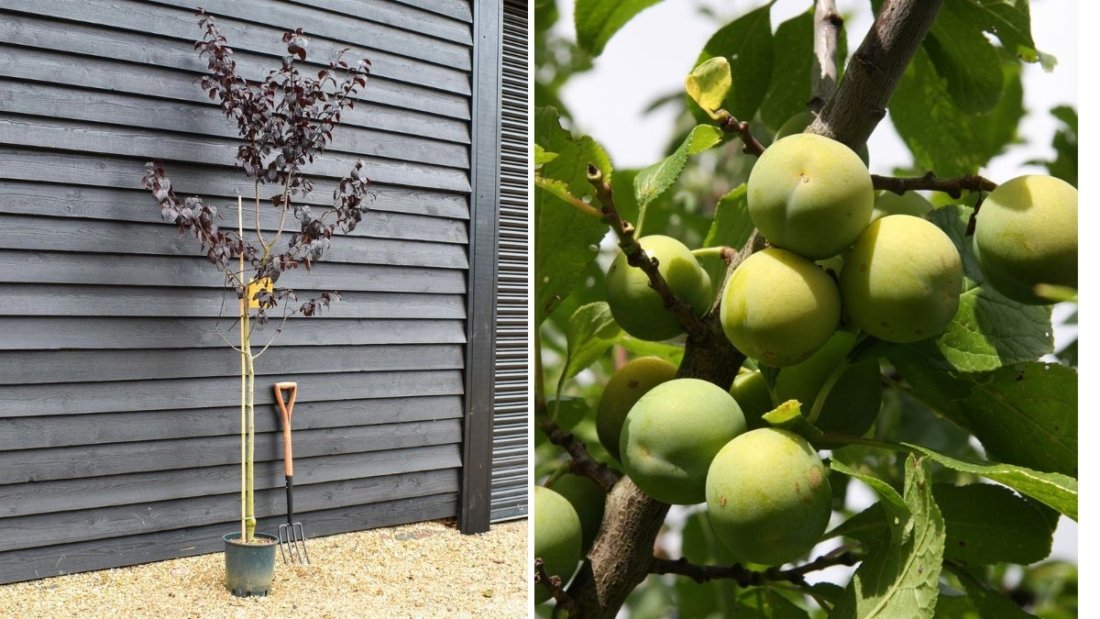
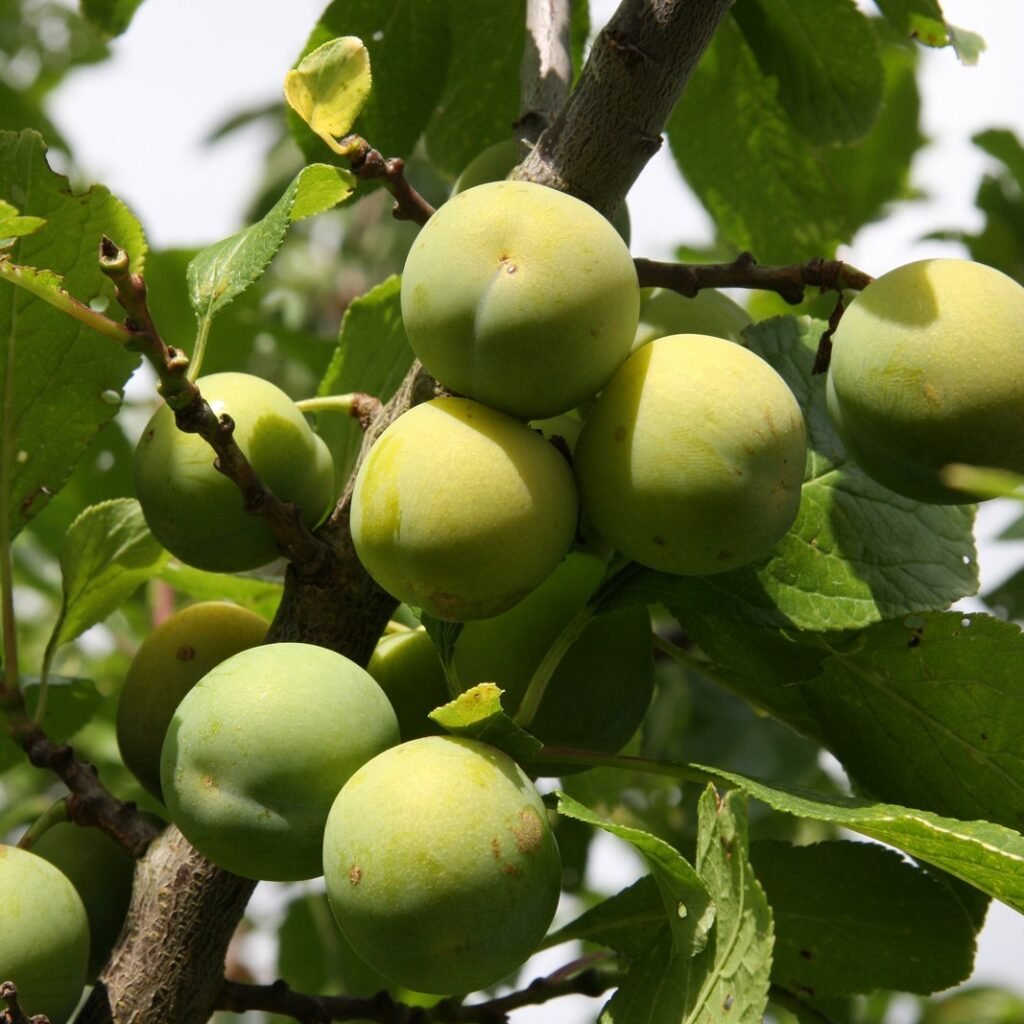
Plum and Greengage Heaven: A Complete Guide to Growing, Tasting, and Enjoying Nature’s Juiciest Fruits

Plum and Greengage Heaven: A Complete Guide to Growing, Tasting, and Enjoying Nature’s Juiciest Fruits

When it comes to homegrown fruit trees, few can compare to the heavenly sweetness and versatility of plums and greengages. These two stone fruits have delighted gardeners and fruit lovers for centuries, offering an unbeatable combination of flavor, aroma, and texture. Whether you’re growing them in a backyard orchard or simply want to savor their juicy, golden flesh, plums and greengages bring a touch of paradise to every garden.

Inspired by “Plum and Greengage Heaven,” this article explores everything you need to know about these luscious fruits—from their origins and unique characteristics to growing tips, care, and harvest secrets. By the end, you’ll understand why many gardeners call a fruiting plum or greengage tree heaven on earth.


The Beauty of Plums and Greengages

Plums and greengages belong to the same genus (Prunus), yet each offers something distinct. Plums come in a wide range of colors—from deep purples and reds to golden yellows—and flavors that range from tart to sweet. Greengages, on the other hand, are a type of European plum renowned for their honey-like sweetness, rich aroma, and delicate green skin.

A ripe plum bursts with juicy flavor, perfect for fresh eating, baking, or making jams. Greengages, smaller and rounder, offer a complex sweetness often compared to fine honey or tropical fruit. In fact, many consider greengages to be the finest dessert plums ever bred.

Together, they form a perfect harmony in the orchard—offering variety, beauty, and an extended fruiting season that turns your garden into a true fruit lover’s paradise.


A Brief History of These Heavenly Fruits

Plums have a long and storied history dating back thousands of years. They originated in Asia and Europe, with Japanese plums (Prunus salicina) and European plums (Prunus domestica) being the most widely grown today. These species were later brought to other parts of the world, including North America, where they flourished.

Greengages, meanwhile, trace their origins to the Middle East and Europe. The variety was introduced to France in the early 16th century by the Gage family, hence the name “greengage.” Since then, they’ve become beloved for their distinct flavor and rich, sugary sweetness.

Together, they represent centuries of careful cultivation and selection—each bite carrying the heritage of orchard traditions passed down through generations.


Popular Varieties to Try

If you’re looking to create your own “plum and greengage heaven,” choosing the right varieties is essential. Here are some top performers loved by gardeners around the world:

Best Plum Varieties:

  1. Victoria: Classic English variety with golden flesh and reddish-purple skin; excellent for eating and cooking.
  2. Santa Rosa: Japanese variety with juicy, aromatic flesh and a tangy-sweet flavor.
  3. Black Amber: Deep purple skin, golden flesh, and long storage life—known as the “King of Plums.”
  4. Methley: Early-ripening plum with sweet, red fruit and reliable yields.
  5. Mirabelle: Small, golden-yellow plums famous in France for preserves and desserts.

Top Greengage Varieties:

  1. Reine Claude d’Oullins: Vigorous tree producing large, sweet, golden-green fruits.
  2. Old Green Gage (Reine Claude Verte): The traditional variety, famed for its honey flavor.
  3. Cambridge Gage: Compact and highly productive with rich, aromatic fruit.
  4. Golden Gage: A yellow-skinned greengage with exceptional sweetness and juicy texture.

Planting a mix of plums and greengages not only extends your harvest season but also enhances pollination, as most varieties benefit from cross-pollination for higher yields.


How to Grow Plums and Greengages

Growing these trees isn’t difficult, but they do reward attention and care. Follow these essential steps to ensure success in your orchard.

1. Choose the Right Location

Select a sunny, sheltered site with at least 6–8 hours of direct sunlight daily. Plums and greengages thrive in fertile, well-drained soil. Avoid waterlogged spots or areas prone to late frosts, as this can damage blossoms.

2. Soil Preparation

Before planting, enrich your soil with well-rotted compost or manure. A slightly acidic to neutral pH (around 6.0–7.0) is ideal. Good soil structure encourages strong root development and healthy fruiting.

3. Planting the Tree

Plant bare-root trees in late winter or early spring, or container-grown trees in spring or autumn. Dig a hole twice the width of the root ball but not too deep. Place the tree so that the graft union sits just above the soil level. Backfill gently and water thoroughly.

4. Spacing

Allow enough room for each tree to grow—typically 12–15 feet apart for standard trees, or 8–10 feet for dwarf varieties. Adequate spacing ensures good airflow and sunlight penetration, reducing disease risk.


Caring for Your Plum and Greengage Trees

Watering:

Water deeply once a week during dry spells, especially in the first two years after planting. Plums and greengages prefer moist but not waterlogged soil. Mulch around the base to retain moisture and suppress weeds.

Fertilizing:

Feed annually in early spring with a balanced fertilizer or organic compost. Avoid excessive nitrogen, which can encourage leafy growth at the expense of fruiting.

Pruning:

Prune plums and greengages in summer (not winter) to reduce the risk of diseases like silver leaf. Remove dead, crossing, or overcrowded branches and maintain an open shape to improve light and airflow.

Pollination:

Many varieties are partially self-fertile but produce better with a compatible pollinator nearby. Check which varieties bloom at the same time to ensure successful pollination. Bees are your best allies here—avoid spraying chemicals during bloom season.

Pest and Disease Management:

Watch out for aphids, plum sawfly, and brown rot. Regular pruning, garden hygiene, and organic sprays like neem oil or copper fungicide can keep most issues under control. Fallen fruit and leaves should be removed promptly to prevent fungal buildup.


Flowering and Fruit Development

In early spring, plum and greengage trees burst into life with clouds of fragrant white blossoms. These flowers attract bees, which pollinate the blooms and ensure good fruit set.

Over the next few months, tiny green fruits appear, gradually swelling and changing color as summer progresses. Greengages retain their light green or golden hue even when ripe, while plums turn rich shades of red, purple, or yellow.

By midsummer to early autumn, the fruits are ready for harvest—each one a sun-ripened treasure of sweetness.


Harvesting and Storing

The best part of growing plums and greengages is, of course, the harvest. Timing is key to capturing their peak flavor.

Signs of ripeness:

  • The fruit feels slightly soft when gently pressed.
  • Color deepens (for plums) or turns golden-green (for greengages).
  • The fruit releases easily from the branch with a gentle twist.

Pick carefully to avoid bruising. Freshly harvested fruit can be enjoyed right away or stored in the refrigerator for up to two weeks.

For longer preservation, consider making jams, jellies, or chutneys. Both plums and greengages are excellent for canning and freezing. Their high natural sugar content also makes them perfect for dehydrating into healthy fruit snacks.


Enjoying the Fruits of Heaven

Few fruits rival the versatility of plums and greengages. Here are some delicious ways to enjoy your harvest:

  • Fresh Eating: Simply wash and bite in—perfectly juicy and sweet.
  • Jams and Preserves: Greengage jam is legendary for its golden color and intense sweetness.
  • Desserts: Use in pies, crumbles, tarts, or cakes.
  • Savory Dishes: Pair with pork, duck, or cheese for a rich contrast.
  • Drinks: Turn your fruit into homemade liqueurs, syrups, or juices.

Nothing compares to tasting a sun-warmed plum or greengage straight from your own tree—an unforgettable burst of nature’s finest flavors.


Why Every Gardener Should Grow Plums and Greengages

There’s a reason plum and greengage trees have been treasured for centuries. They’re beautiful in bloom, generous in yield, and offer some of the most delicious fruits you’ll ever taste.

Here’s why they deserve a place in your garden:

  • Versatile and Productive: Perfect for eating, preserving, or baking.
  • Compact and Attractive: Suitable for small gardens and orchards.
  • Pollinator-Friendly: Spring blossoms attract bees and beneficial insects.
  • Long Harvest Season: Grow multiple varieties for continuous fruiting.
  • Rich in Nutrients: Packed with vitamins, minerals, and antioxidants.

These trees don’t just give you fruit—they give you beauty, fragrance, and a connection to nature that’s truly fulfilling.


Final Thoughts: Your Slice of Plum and Greengage Heaven

Creating your own “Plum and Greengage Heaven” is easier than you might think. With the right care and a bit of patience, these trees will reward you year after year with fragrant blossoms, buzzing pollinators, and branches laden with juicy, sun-kissed fruit.

Whether you’re growing the rich purple Santa Rosa plum or the golden-green Cambridge Gage, each harvest brings a taste of pure sweetness that feels like nature’s gift. In every bite, you’ll experience the joy of growing, nurturing, and tasting something truly heavenly.

So, if you’re dreaming of a home orchard that offers beauty, abundance, and flavor, look no further—plums and greengages are your ticket to fruit-growing paradise.

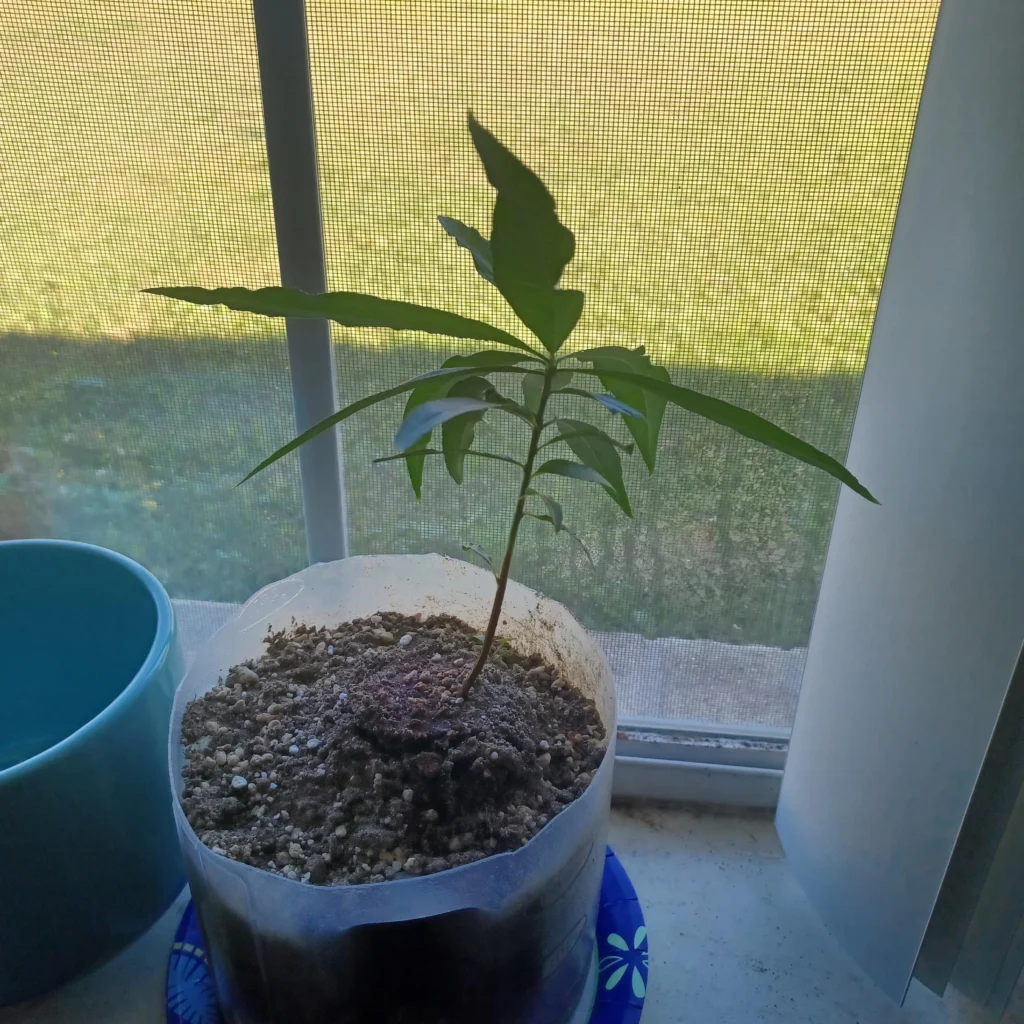
Growing Yellow Peach Trees from Seed: An Exciting Journey from Germination to Growth

Growing Yellow Peach Trees from Seed: An Exciting Journey from Germination to Growth

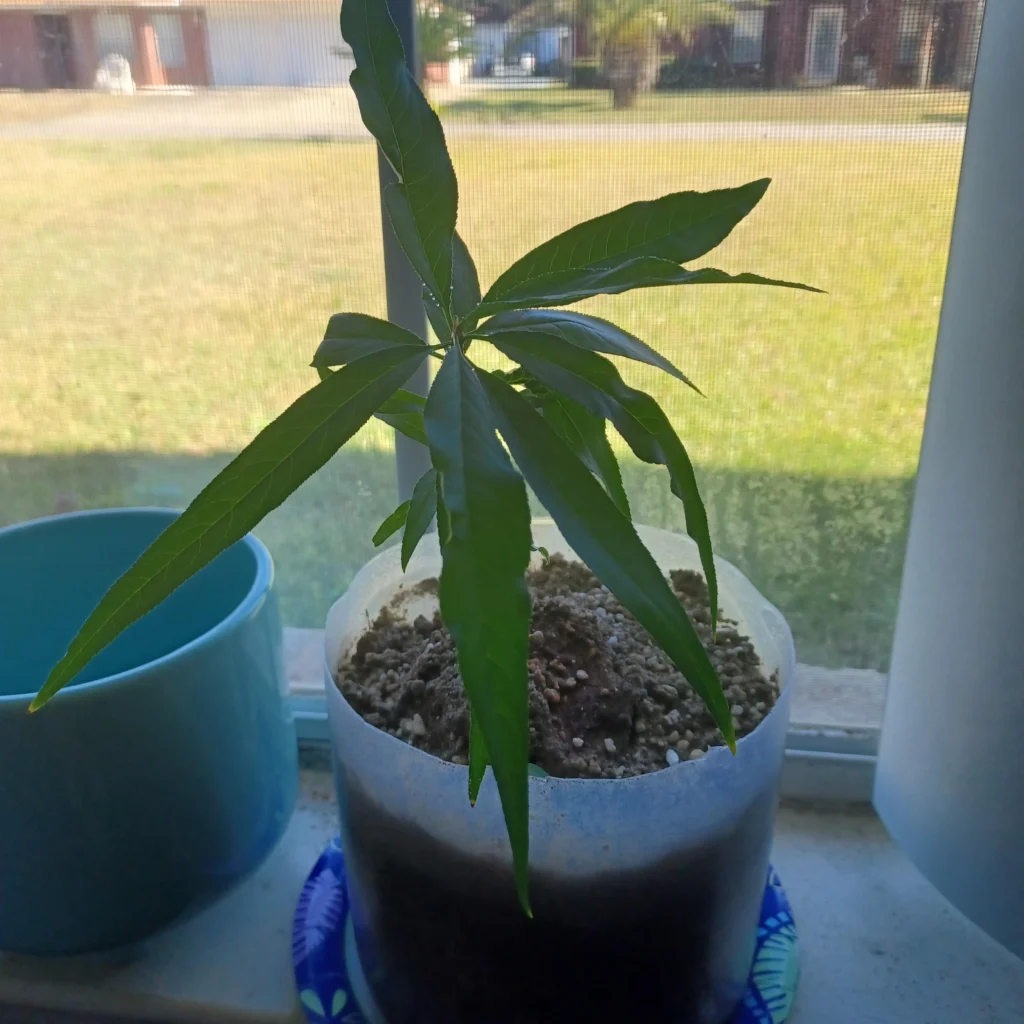
Few things in gardening are more satisfying than watching a tiny seed transform into a thriving tree—especially when that tree produces juicy, golden peaches. Growing yellow peach trees from seed is not just a fun experiment; it’s a hands-on way to experience nature’s incredible cycle of life. Even though most store-bought peaches are grown from grafted trees, sprouting your own from seed offers a unique sense of accomplishment and connection to your garden.

Inspired by “Update on Yellow Peach Trees Germinated from Seed,” this guide will take you through every step of the process—from germination and seedling care to transplanting, growing, and what to expect as your tree matures. Whether you’re nurturing a single sprout in a pot or planning your own mini orchard, you’ll find this journey both rewarding and educational.


Understanding the Beauty of Yellow Peach Trees

Yellow peach trees (Prunus persica) are prized for their delicious fruit, stunning spring blossoms, and lush green foliage. The fruits are known for their deep golden flesh, aromatic flavor, and perfect balance of sweetness and tanginess.

Peaches have been cultivated for over 4,000 years, originally from China, and are now beloved worldwide. While commercial growers rely on grafted trees for consistency, home gardeners often enjoy the thrill of growing their own trees from seed—a process full of surprises and joy.

When you grow a peach tree from seed, you may not get an exact copy of the parent fruit. Instead, you’re cultivating a new, genetically unique tree—one that could yield surprisingly delicious results.


Collecting and Preparing Peach Seeds

If you want to germinate your own yellow peach seeds, start with fresh, ripe fruit. Choose peaches from a local farmer’s market or a tree known to produce tasty fruit. Avoid store-bought peaches treated with chemicals, as these can reduce germination rates.

Here’s how to prepare the seeds:

  1. Clean the Pit:
    After eating the peach, rinse off any remaining flesh and let the pit dry for a few days.
  2. Extract the Kernel:
    Carefully crack open the hard outer shell using a nutcracker or hammer to reveal the almond-like seed inside. Be gentle—damaging the kernel can ruin its viability.
  3. Cold Stratification:
    Peach seeds need a period of cold dormancy (called stratification) to trigger germination.
    • Wrap the cleaned kernels in a damp paper towel.
    • Place them in a sealed plastic bag.
    • Refrigerate for 8–12 weeks at around 3–5°C (37–41°F).
      Check occasionally to make sure the towel remains slightly moist but not soggy.

After this chilling period, you may notice small roots emerging from the seeds—this is your cue to plant them.


Planting and Germination

Once your peach seeds have sprouted, it’s time to plant them in soil. Use small pots or containers with well-draining potting mix enriched with compost or organic matter.

Steps for planting:

  1. Plant the seed about 1 inch deep in moist soil.
  2. Keep the pot in a warm, sunny location—around 70°F (21°C) is ideal.
  3. Water gently to keep the soil evenly moist but never waterlogged.

Within a few weeks, you’ll see the first signs of green shoots emerging from the soil—a thrilling sight for any gardener!

If you’re germinating multiple seeds, label each pot and observe differences in growth. Each seedling may develop unique characteristics in leaf shape, growth rate, and later, fruit quality.


Early Growth and Care

Young yellow peach seedlings are delicate and require consistent care during their first few months.

1. Light:
Place the seedlings in a sunny location with at least 6–8 hours of direct sunlight each day. If you’re growing indoors, consider using a grow light to supplement natural light.

2. Watering:
Keep the soil lightly moist but avoid soggy conditions. Overwatering is one of the most common mistakes and can cause root rot.

3. Temperature:
Peach seedlings prefer warm, stable temperatures. Protect them from cold drafts or sudden temperature changes.

4. Transplanting:
When the seedlings reach about 6–8 inches tall and have several sets of true leaves, they’re ready to be transplanted into larger pots or directly into the ground if conditions are suitable.

Handle them carefully when transplanting, ensuring you don’t damage the fragile roots.


Choosing the Right Outdoor Location

When your yellow peach seedlings are ready to move outdoors, selecting the right planting site is crucial for long-term success.

Ideal conditions for peach trees:

  • Full Sun: Choose a location that receives at least 8 hours of direct sunlight daily.
  • Well-Drained Soil: Avoid heavy clay or waterlogged areas. Slightly sandy or loamy soil is ideal.
  • Space: Give each tree about 12–15 feet of space to allow for future growth and airflow.
  • Wind Protection: A gentle slope or sheltered spot helps protect blossoms from cold spring winds.

Before planting, amend the soil with compost or aged manure to boost fertility.


Growing Progress: What to Expect Each Year

Growing peach trees from seed takes patience, but every stage offers something exciting. Here’s a rough timeline:

Year 1:
Seedlings grow steadily, focusing on root development. You’ll see lush green leaves and gradual height gain.

Year 2–3:
The young tree establishes itself. You may need to prune lightly to encourage strong branching and shape the canopy.

Year 3–5:
Most seed-grown peach trees begin to bear fruit between their third and fifth year, though this can vary. Blossoms appear in spring, followed by small green fruits that ripen in mid to late summer.

Beyond Year 5:
Your tree matures, producing regular harvests of sweet, golden-yellow peaches. Each year’s yield improves as the tree grows stronger and healthier.


Caring for Your Young Peach Trees

Once established, your peach tree will reward you with beautiful blossoms and delicious fruit. To keep it thriving, follow these care tips:

1. Watering

Deeply water your tree once a week during dry spells. Consistent moisture is key during flowering and fruit development.

2. Fertilizing

Feed annually in early spring with a balanced organic fertilizer or compost. Avoid over-fertilizing, as this can promote leaf growth over fruiting.

3. Pruning

Pruning is essential to maintain airflow, sunlight penetration, and fruit quality. Prune in late winter or early spring before new growth starts. Focus on removing dead or crossing branches and shaping an open canopy.

4. Pest and Disease Control

Peaches can be vulnerable to pests like aphids, scale, and leaf curl. To manage these:

  • Use neem oil or insecticidal soap as needed.
  • Clean up fallen leaves and fruit to prevent fungal buildup.
  • Apply copper-based fungicide in early spring if leaf curl is common in your area.

With good orchard hygiene, your tree will remain healthy and productive.


Pollination and Fruit Set

Most yellow peach trees are self-fertile, meaning a single tree can produce fruit. However, planting multiple trees nearby often improves yield and fruit size due to increased pollination activity.

Spring blossoms attract bees and pollinators, so avoid using pesticides during bloom time. Watching bees buzz among your pink peach flowers is one of the most delightful sights in the garden!


Harvesting Homegrown Peaches

When your yellow peach tree finally bears fruit, the reward is worth the wait.

Signs of ripeness:

  • The skin develops a deep golden-yellow hue with a hint of red blush.
  • The fruit gives slightly when gently squeezed.
  • The sweet aroma intensifies around the tree.

Harvest peaches carefully to avoid bruising. Once picked, they can be stored in the refrigerator for about a week or used immediately for fresh eating, baking, or preserving.


Enjoying the Fruits of Your Labor

Homegrown yellow peaches are unmatched in flavor and freshness. Their juicy sweetness and floral aroma are perfect for countless culinary creations.

Here are a few delicious ideas:

  • Fresh Eating: Enjoy them right off the tree for the purest taste.
  • Peach Jam or Preserves: Capture summer’s flavor in a jar.
  • Pies and Cobblers: Classic desserts that highlight the fruit’s golden richness.
  • Smoothies and Ice Cream: Add peeled slices for a creamy, refreshing twist.
  • Grilled Peaches: Serve warm with honey and cinnamon for a gourmet treat.

Each fruit you enjoy will remind you of the patience and care it took to grow your tree from a tiny seed.


The Joy and Challenge of Seed-Grown Trees

Growing peaches from seed is not about instant results—it’s about the journey. While grafted trees guarantee predictable fruit, seed-grown trees add mystery and excitement. Each one is genetically unique, meaning your yellow peach might develop a new flavor, color, or texture unseen before.

This unpredictability is part of the adventure. Some seedlings may take longer to fruit or produce smaller peaches, while others may surprise you with exceptional quality. Either way, you’ll have created something truly your own—a living tree that started with your hands and care.


Final Thoughts: Watching Life Grow from a Seed

From the moment you crack open a peach pit to the day you bite into your first homegrown fruit, the journey of growing yellow peach trees from seed is deeply rewarding. It teaches patience, curiosity, and respect for nature’s rhythms.

Every stage—germination, transplanting, flowering, and fruiting—brings new excitement. With consistent care, sunlight, and a little love, your seedlings will flourish into strong, fruitful trees.

So, if you’ve ever saved a peach pit after enjoying a summer snack, don’t throw it away. Nurture it. Germinate it. Plant it. You might just grow a new variety of peach that’s entirely your own—a golden, sun-sweetened symbol of nature’s endless creativity.

Your very own yellow peach tree, born from a humble seed, could one day fill your garden with blossoms, fragrance, and fruit that tastes like pure sunshine.

Plum (Damson): The Ultimate Guide to Growing, Harvesting, and Enjoying This Unique Fruit

Plum (Damson): The Ultimate Guide to Growing, Harvesting, and Enjoying This Unique Fruit

Among the many types of plums grown around the world, the Damson plum holds a special place for its rich flavor, deep color, and remarkable versatility. Often described as the “country plum,” the Damson has been cherished for centuries in home gardens, orchards, and traditional kitchens. Its slightly tart yet aromatic taste makes it perfect for preserves, baking, and even homemade wines.

If you’ve ever heard about “Damson heaven” or tasted a spoonful of deep purple Damson jam, you’ll understand why this small fruit commands such loyal admiration. In this article, inspired by “Plum (Damson),” we’ll explore everything you need to know about this special fruit—from its origins and growing requirements to harvesting, care, and delicious uses.

Whether you’re an experienced gardener or a fruit-growing beginner, the Damson plum deserves a spot in your orchard.


What Is a Damson Plum?

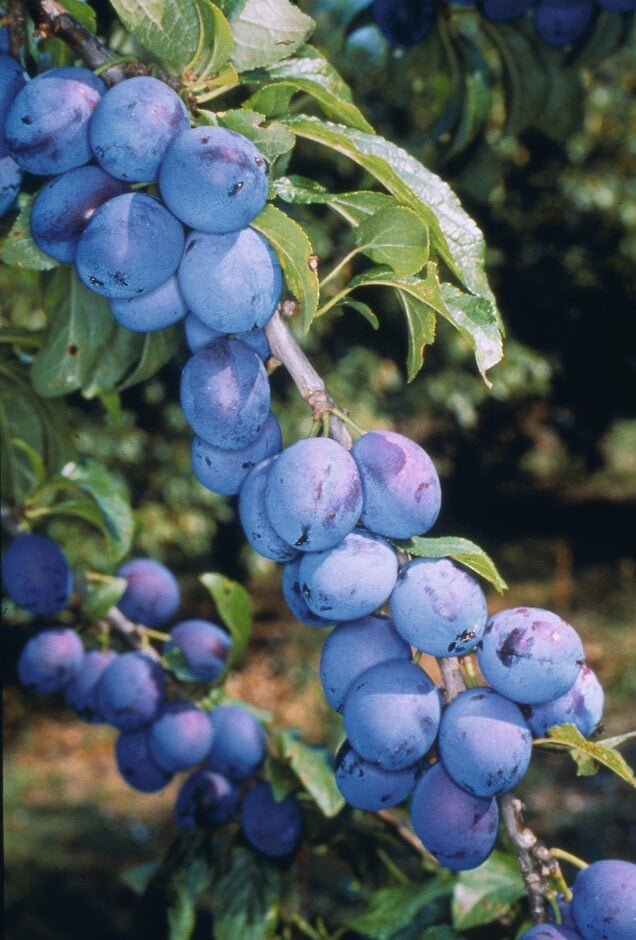
The Damson plum (Prunus domestica subsp. insititia) is a small, oval fruit with deep purple skin and yellow-green flesh. It’s part of the European plum family but stands out for its distinctive flavor—tart yet rich, with an intense depth that develops beautifully when cooked or preserved.

Unlike dessert plums, which are typically sweet and juicy for fresh eating, Damsons are prized for their culinary uses. They make some of the finest jams, jellies, chutneys, and sauces in the world.

A ripe Damson plum looks almost black with a bluish bloom on the skin. Inside, the flesh clings tightly to the pit, and when cooked, it produces a deep, jewel-like purple color that’s simply irresistible.


A Brief History of the Damson

The name “Damson” is believed to originate from Damascus, in ancient Syria, where the fruit is thought to have first been cultivated. Romans are said to have brought the plum to Britain, where it thrived in the cooler climate and became a traditional favorite.

By the Middle Ages, Damsons were widely grown across England and Europe. They became a staple in country gardens, appreciated not only for their fruit but also for their ornamental spring blossoms.

Damson plums were especially popular in the 18th and 19th centuries for dyeing fabrics, thanks to their rich, natural pigments. Even today, they remain a nostalgic and beloved fruit among heritage gardeners.


Why Grow Damson Plums?

There are many reasons to grow a Damson plum tree in your garden:

  1. Hardy and Reliable: Damsons are among the most cold-tolerant plums. They handle harsh winters and unpredictable weather with ease.
  2. Compact Growth: Perfect for small gardens, most Damson trees stay between 10–15 feet tall.
  3. Beautiful in Bloom: Spring brings masses of white blossoms that attract bees and other pollinators.
  4. Heavy Cropping: Once established, a mature tree can produce abundant fruit every year.
  5. Culinary Versatility: Ideal for preserves, sauces, baking, and even homemade gin or wine.
  6. Low Maintenance: Damsons require minimal pruning and are resistant to many common plum diseases.

Simply put, they’re the perfect mix of beauty, reliability, and taste.


Popular Damson Varieties

Several traditional and modern Damson varieties are available for gardeners. Each has slightly different characteristics, but all share the fruit’s signature flavor and deep color.

  1. Shropshire Prune (Common Damson):
    The most classic English variety, with rich flavor and abundant crops. Ideal for preserves and cooking.
  2. Merryweather Damson:
    A larger-fruited and sweeter variety, perfect for both fresh eating and cooking. Hardy and reliable even in cooler regions.
  3. Farleigh Damson:
    Compact, prolific, and early-bearing—great for smaller gardens. Excellent for jam-making.
  4. King of the Damsons:
    Produces large, deep-purple fruits with intense flavor. Great for both culinary and ornamental use.
  5. Early Rivers Damson:
    As the name suggests, this variety ripens earlier than most, giving you a head start on the harvest season.

Choosing the right variety depends on your local climate, space, and how you plan to use the fruit.


How to Grow Damson Plums

Damsons are among the easiest fruit trees to grow at home. They tolerate a wide range of soils and thrive with minimal fuss. Here’s how to get started:

1. Choose the Right Location

Select a sunny, sheltered spot. Damsons prefer full sun for best fruit production but can tolerate partial shade. Avoid frost pockets or very windy areas, as blossoms can be damaged by late spring frost.

2. Soil Preparation

Damson trees grow well in most soils, provided they are well-drained and moderately fertile. Add organic compost before planting and avoid waterlogged conditions. A pH between 6.0 and 7.0 is ideal.

3. Planting

Plant bare-root trees in late winter or early spring while they are dormant. Container-grown trees can be planted any time of year, though spring and autumn are best.

  • Dig a hole twice the width of the root ball.
  • Place the tree so that the graft union is just above the soil surface.
  • Backfill gently, firm the soil, and water thoroughly.

4. Spacing

Space trees about 12–15 feet apart. Dwarf rootstocks (like Pixy) can be planted closer, around 8–10 feet apart, ideal for small gardens or patios.


Caring for Your Damson Tree

Once planted, Damsons require minimal care compared to other fruit trees. Still, a few simple steps can make a big difference in yield and quality.

Watering

Water young trees regularly for the first year. Mature trees only need supplemental watering during prolonged dry spells. Avoid overwatering, which can cause root rot.

Mulching

Apply a layer of organic mulch (compost, straw, or wood chips) around the base to retain moisture and suppress weeds. Keep mulch a few inches away from the trunk.

Feeding

Feed in spring with a balanced organic fertilizer or compost. Avoid high-nitrogen fertilizers that encourage leafy growth over fruiting.

Pruning

Damsons are naturally tidy trees, requiring minimal pruning. Prune only to remove dead, diseased, or overcrowded branches. The best time for pruning is summer, as winter pruning can make plums vulnerable to silver leaf disease.

Pest and Disease Management

Damsons are generally hardy, but watch for:

  • Aphids (control with neem oil or insecticidal soap)
  • Brown rot (remove affected fruit promptly)
  • Silver leaf disease (avoid winter pruning and ensure good airflow)

With regular care, these issues are easily managed, and your tree will thrive for many years.


Flowering, Pollination, and Fruit Set

In early to mid-spring, Damson trees burst into bloom with delicate white flowers. Most Damson varieties are self-fertile, meaning they don’t require another plum variety for pollination—although yields improve when a compatible tree is nearby. Bees play a key role in pollination, so a pollinator-friendly garden ensures a better harvest.

After flowering, the small green fruits begin to form. They slowly swell and darken over summer, turning rich purple-blue as they ripen.


Harvesting Your Damsons

Damsons are typically ready for harvest from late August to early October, depending on your climate and variety.

To know when they’re ready:

  • The skin turns deep purple or nearly black.
  • The fruit softens slightly to the touch.
  • It detaches easily from the stem with a gentle twist.

Because of their tart flavor, some gardeners leave them on the tree a little longer to develop sweetness—or wait until the first cool nights, which enhance flavor and aroma.

Pick carefully to avoid bruising, and handle with care if you plan to store or transport the fruit.


Using Damsons in the Kitchen

The culinary potential of Damsons is legendary. Their tartness and rich flavor make them perfect for transforming into preserves and baked goods.

Here are a few delicious ways to enjoy your harvest:

  1. Damson Jam: The classic use—deep purple, tangy-sweet, and packed with flavor.
  2. Damson Gin: Soak fruit in gin with sugar for a few months to create a luxurious homemade liqueur.
  3. Damson Chutney: Pair with vinegar, onions, and spices for a savory condiment that complements cheese and meats.
  4. Pies and Tarts: Combine with apples or blackberries for rich, warming desserts.
  5. Sauces: Cooked Damsons make a beautiful glaze for pork, duck, or lamb.
  6. Wine or Syrup: Their strong flavor lends itself beautifully to fermentation or syrup-making.

Few fruits offer such a balance of sweetness, tartness, and depth—making Damsons a true culinary gem.


Storing Damsons

Fresh Damsons can be kept in the refrigerator for up to two weeks. For long-term storage, consider freezing or preserving. Simply wash, halve, and pit the fruit before freezing in airtight bags.

Alternatively, make batches of jam or chutney to enjoy their flavor all year round. Properly sealed jars can last for months or even years.


Why Every Home Garden Should Have a Damson Tree

If you value low-maintenance fruit trees that offer both beauty and bounty, Damson plums are a perfect choice. Here’s why they’re worth planting:

  • Compact and easy to manage
  • Self-fertile and reliable
  • Extremely hardy in cold climates
  • Produces abundant crops annually
  • Delicious fruit for multiple culinary uses

Beyond practicality, there’s something deeply rewarding about seeing your tree bloom in spring and hang heavy with fruit by autumn—a reminder of nature’s generous cycle.


Final Thoughts: The Timeless Charm of the Damson

The Damson plum is more than just a fruit—it’s a living link to centuries of tradition. Its resilience, flavor, and beauty have earned it a special place in gardens across the world.

Planting a Damson means planting a piece of history, one that rewards you every year with exquisite fruit and the satisfaction of homegrown abundance. Whether you’re spooning rich purple jam onto warm toast or enjoying a glass of homemade Damson gin, you’ll be savoring the taste of a truly remarkable tree.

For those seeking an easy-to-grow, flavorful, and beautiful fruit tree, the Damson is not just an option—it’s an essential.

How to Grow Seascape Strawberries: A Complete Guide to Bountiful Harvests

How to Grow Seascape Strawberries: A Complete Guide to Bountiful Harvests

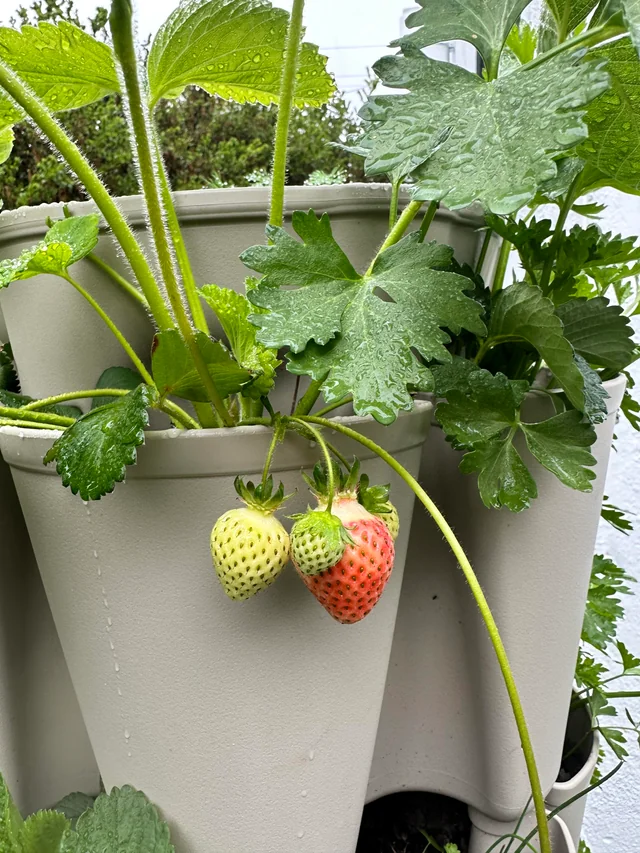
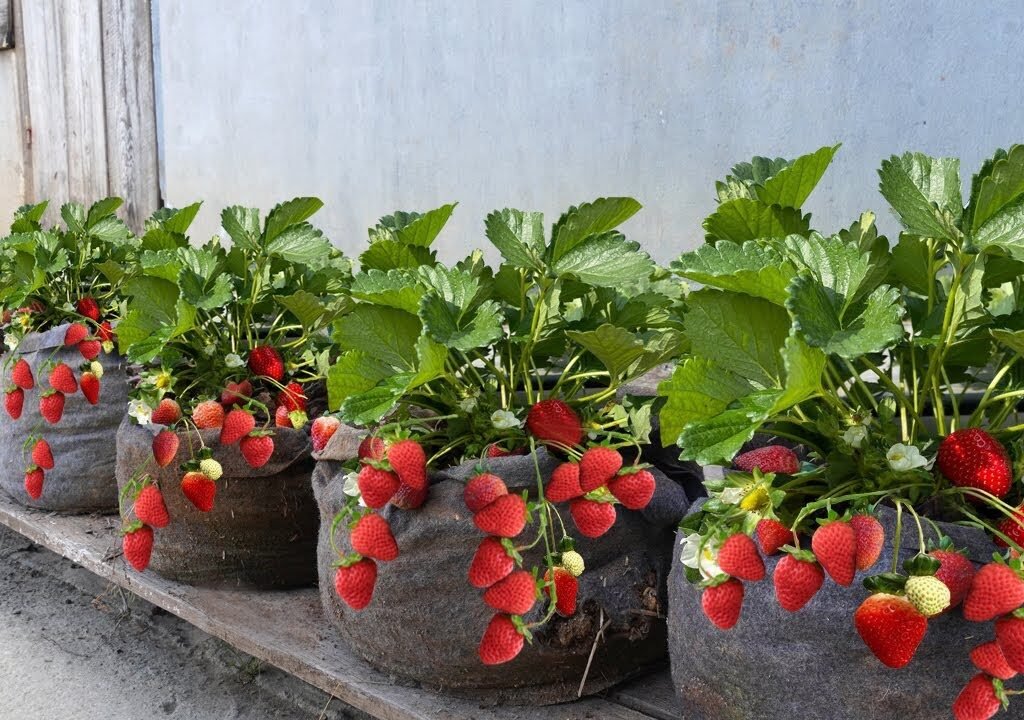
If you’re looking for a flavorful, everbearing strawberry variety that produces sweet, juicy berries throughout the growing season, Seascape strawberries should be at the top of your list. Known for their high yield, adaptability, and rich taste, these plants are a favorite among both home gardeners and commercial growers. Whether you’re growing strawberries in containers, raised beds, or garden soil, Seascape strawberries thrive with just a bit of care and the right growing conditions.

This complete guide will walk you through everything you need to know about growing Seascape strawberries successfully — from choosing the right location and planting techniques to caring for your plants and harvesting the delicious fruit.


What Makes Seascape Strawberries Special?

Developed by the University of California, Seascape strawberries are day-neutral, meaning they don’t rely on day length to produce fruit. Unlike June-bearing varieties that produce one large crop per year, Seascape strawberries continuously flower and fruit from spring through fall, and even year-round in mild climates.

Here’s why gardeners love Seascape strawberries:

  • Everbearing variety – continuous production throughout the season.
  • Large, sweet berries with firm texture and excellent flavor.
  • High tolerance to heat and disease.
  • Perfect for container growing and small gardens.
  • Great for fresh eating, desserts, and preserves.

If you’ve struggled with other strawberry varieties or live in a warmer region, Seascape is an excellent choice due to its adaptability and resilience.


Choosing the Right Growing Conditions

Like all strawberries, Seascape plants thrive in full sunlight and well-draining soil. To get the best results, keep the following factors in mind:

1. Sunlight:
Seascape strawberries need at least 6–8 hours of direct sunlight per day. The more light they get, the sweeter and larger your berries will be.

2. Soil Type:
They prefer loamy, fertile soil with good drainage. Avoid heavy clay soil that retains too much water. If your garden soil isn’t ideal, consider raised beds or large containers.

3. Soil pH:
Keep the soil slightly acidic — between pH 5.5 and 6.5. You can use a soil test kit to check and amend your soil with sulfur or compost as needed.

4. Temperature:
Seascape strawberries grow well in mild to warm climates. They perform exceptionally in regions where summer temperatures don’t exceed 85°F (29°C) for long periods.


Planting Seascape Strawberries

Whether you’re planting in-ground or in containers, preparation is key.

1. When to Plant:
The best time to plant Seascape strawberries is early spring once the soil warms and frost risk has passed. In milder climates, you can even plant them in fall for an early start next season.

2. Planting Bare Root or Potted Plants:

  • If planting bare-root plants, soak the roots in water for 30 minutes before planting.
  • If using potted plants, gently remove them from their containers and loosen the roots slightly.

3. Spacing:
Space plants 12–18 inches apart in rows about 2 feet apart. Strawberries need airflow to prevent fungal issues.

4. Planting Depth:
Make sure the crown (where the leaves meet the roots) sits just above the soil surface. If it’s buried too deep, the plant may rot; if it’s too high, the roots can dry out.


Caring for Seascape Strawberries

Proper care is essential to ensure steady growth and maximum yields.

1. Watering

Strawberries love consistent moisture but dislike soggy soil. Water deeply once or twice a week depending on the weather. Aim to keep the soil evenly moist but not waterlogged. Drip irrigation or a soaker hose works best to prevent fungal problems caused by wet foliage.

2. Mulching

Add a layer of straw, pine needles, or shredded leaves around your plants to retain soil moisture, suppress weeds, and keep the berries clean. Mulch also helps regulate soil temperature.

3. Fertilizing

Feed your Seascape strawberries regularly:

  • Apply a balanced fertilizer (10-10-10) at planting time.
  • Once flowering starts, switch to a high-potassium fertilizer to promote fruiting.
  • Avoid excessive nitrogen — it encourages leafy growth instead of fruit.

4. Pruning and Maintenance

  • Remove any flowers that appear during the first few weeks after planting to help the plant establish a strong root system.
  • Trim off old, yellow leaves and runners (unless you want to propagate new plants).
  • Keep the area weed-free to reduce competition for nutrients.

5. Pest and Disease Control

Seascape strawberries are relatively disease-resistant but still vulnerable to common issues like aphids, spider mites, and fungal infections.

  • Spray neem oil or insecticidal soap for pests.
  • Ensure good airflow and avoid overhead watering to prevent powdery mildew.
  • Rotate crops yearly to reduce soil-borne diseases.

Growing Seascape Strawberries in Containers

If space is limited, Seascape strawberries grow beautifully in pots, hanging baskets, or vertical towers.

Container Tips:

  • Choose a container at least 12 inches wide and deep.
  • Use high-quality potting mix with compost for fertility and drainage.
  • Water regularly since containers dry out faster than garden soil.
  • Fertilize monthly with a liquid organic feed.

Container-grown Seascape strawberries not only look attractive but also make harvesting easier — perfect for patios, balconies, or small backyards.


Propagation and Runners

One of the best things about Seascape strawberries is their ability to multiply. They send out runners (long stems with baby plants at the ends). To propagate:

  1. Choose a healthy runner with a small plantlet.
  2. Pin it down in a small pot filled with soil while still attached to the mother plant.
  3. Once roots form (in 2–3 weeks), snip it off and transplant it elsewhere.

This way, you can expand your strawberry patch every season without buying new plants.


Harvesting and Enjoying Seascape Strawberries

The real reward comes when you start harvesting!

When to Harvest:
Seascape strawberries are ready to pick about 4–6 weeks after flowering. Harvest when the berries are fully red and fragrant — they won’t ripen much after picking.

How to Harvest:

  • Gently twist the berries off with the green cap (calyx) still attached.
  • Avoid pulling or tugging, which can damage the plant.
  • Harvest every few days during peak season to encourage more fruiting.

Storing:
Freshly picked Seascape strawberries are best enjoyed immediately but can be refrigerated for 2–3 days. You can also freeze them for smoothies, jams, or baking.


Common Problems and Solutions

1. Small or misshapen berries:
Usually caused by irregular watering or poor pollination. Keep soil evenly moist and encourage bees by planting flowers nearby.

2. Yellow leaves:
Often a sign of nutrient deficiency — apply a balanced fertilizer or compost tea.

3. Runners taking over:
Cut excess runners to redirect energy toward fruit production.

4. Birds stealing fruit:
Use netting or floating row covers to protect ripening berries.


Final Thoughts

Seascape strawberries are one of the most rewarding fruits you can grow at home. They combine consistent yields, low maintenance, and delicious flavor in one compact plant. With a little attention to soil, sunlight, and watering, you’ll enjoy bowl after bowl of sweet, sun-ripened strawberries straight from your garden.

Whether you grow them in your backyard, balcony pots, or raised beds, Seascape strawberries prove that you don’t need acres of farmland to enjoy homegrown fruit — just the right care and a bit of love for gardening.

Start planting Seascape strawberries today, and enjoy the taste of summer for months on end!

How Often to Water a Snake Plant for Healthy Growth

How Often to Water a Snake Plant for Healthy Growth

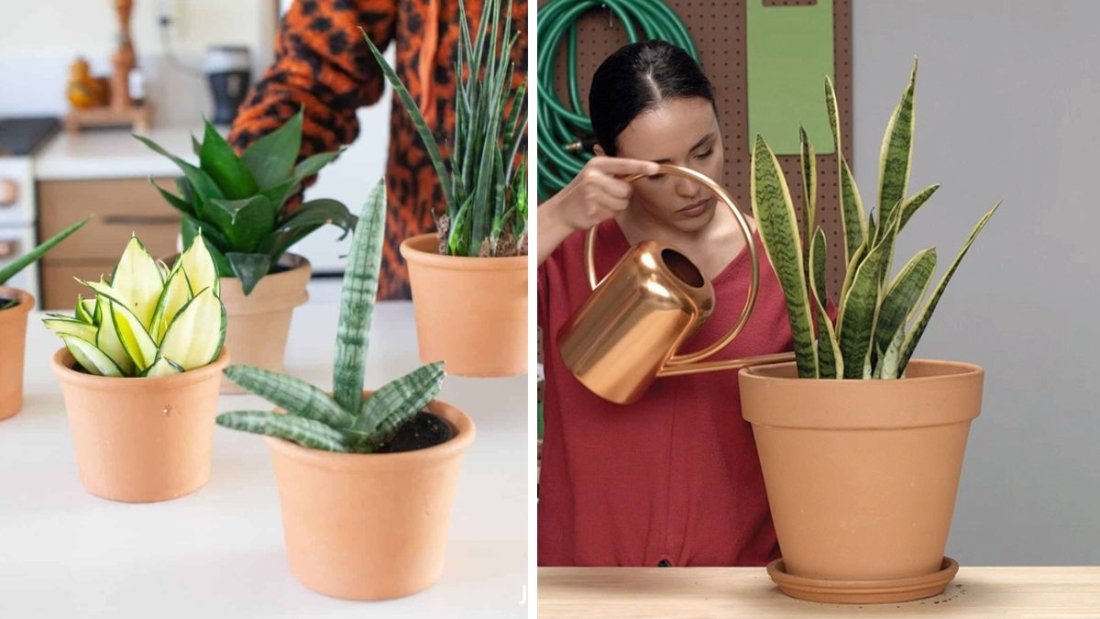
The snake plant (Sansevieria, now classified as Dracaena trifasciata) is one of the most popular indoor plants in homes and offices around the world. With its bold, upright leaves and striking green patterns, it adds instant elegance to any room. But its real charm lies in how tough and forgiving it is.

Still, there’s one simple question every snake plant owner asks:

How often should you water a snake plant for healthy growth?

Water it too much and it may rot.
Water it too little and it may stop growing.

This complete guide will teach you exactly when and how to water your snake plant so it stays healthy, vibrant, and strong for years.


Understanding Your Snake Plant’s Nature

Snake plants come from dry, rocky regions of West Africa. In the wild, they survive long periods without rain by storing water in their thick leaves.

This means:

  • They prefer dry soil over wet soil
  • They hate standing water
  • They are extremely drought tolerant

In other words, snake plants behave more like succulents than tropical plants.


Why Watering Matters So Much

Most snake plant problems are not caused by pests or diseases — they are caused by incorrect watering.

Overwatering can lead to:

  • Root rot
  • Yellow and mushy leaves
  • Fungal infections
  • Bad-smelling soil

Underwatering can cause:

  • Slow growth
  • Wrinkled leaves
  • Dry, brown tips

The secret to a healthy snake plant is finding the right balance.


How Often Should You Water a Snake Plant?

There is no fixed schedule that works for every home. Your watering frequency depends on:

  • Season
  • Climate
  • Pot size
  • Soil type
  • Light exposure
  • Indoor or outdoor location

However, here is a reliable general guide:

Ideal Watering Schedule

  • Summer: Once every 7–10 days
  • Monsoon / Rainy season: Once every 10–12 days
  • Winter: Once every 15–20 days

Always allow the soil to dry completely between waterings.


The Finger Test: Your Best Watering Tool

Instead of following the calendar, always check the soil first.

How to Check Soil Moisture

  • Insert your finger 2–3 inches into the soil
  • If it feels dry → Water the plant
  • If it feels moist → Wait a few more days

You can also use a wooden stick or moisture meter.


How Much Water Should You Give?

When you do water, water properly.

Correct Watering Method

  • Water slowly and evenly
  • Continue until water drains from the bottom holes
  • Empty the saucer after 5 minutes
  • Never let the pot sit in water

This ensures the roots get enough moisture without staying soggy.


Best Water for Snake Plants

Snake plants are sensitive to chemical-heavy water.

Best Choices

  • Rainwater
  • Filtered water
  • Tap water left overnight

Avoid using very hard water regularly as it causes salt buildup.


Best Soil for Proper Drainage

Good soil makes watering much easier.

Ideal Soil Mix

  • 40% garden soil
  • 30% sand or perlite
  • 20% cocopeat
  • 10% compost

Or use ready-made cactus or succulent potting mix.

Never use heavy clay soil.


Choosing the Right Pot

A proper pot protects your plant from root rot.

Best Pots for Snake Plant

  • Terracotta pots (best option)
  • Clay pots
  • Cement pots

Always choose a pot with drainage holes.

Avoid decorative pots without drainage.


Seasonal Watering Guide

Summer Care

Snake plants grow actively in warm weather.

  • Water every 7–10 days
  • Increase airflow
  • Protect from direct harsh sunlight

In extremely hot climates, watering once a week is ideal.


Monsoon Care

High humidity slows soil drying.

  • Water every 10–12 days
  • Ensure good drainage
  • Keep plant in ventilated area

Avoid placing in dark, damp corners.


Winter Care

Snake plants go into rest mode.

  • Water once every 15–20 days
  • Keep soil almost dry
  • Avoid cold water

Overwatering in winter is the most common cause of plant death.


Indoor vs Outdoor Watering

Indoor Snake Plant

Indoor plants dry more slowly.

  • Water every 10–15 days
  • Keep near bright indirect light
  • Avoid AC and heater air directly

Outdoor Snake Plant

Outdoor plants dry faster due to sun and wind.

  • Water every 5–7 days in summer
  • Protect from heavy rain
  • Place in partial sunlight

Signs of Overwatering

Watch out for these warning signs:

  • Yellow leaves
  • Soft, mushy base
  • Foul-smelling soil
  • Drooping or falling leaves
  • Brown spots

If you notice these, stop watering immediately and check roots.


Signs of Underwatering

Underwatering is less dangerous but affects growth.

  • Wrinkled leaves
  • Dry tips
  • Slow or no new leaves
  • Slight curling

Give a deep watering and adjust your routine.


Watering After Repotting

After repotting your snake plant:

  • Wait 2–3 days before watering
  • Then water lightly
  • Resume normal schedule after 2 weeks

This helps prevent root damage.


Should You Mist Snake Plant Leaves?

No. Snake plants do not like misting.

Misting can:

  • Cause fungal disease
  • Trap moisture between leaves
  • Lead to rot

Instead, wipe leaves with a damp cloth monthly.


Can Snake Plants Survive Without Water?

Yes! Snake plants can survive 3–4 weeks without water.

But for healthy growth, follow a regular watering routine.


Common Watering Mistakes

Watering on a fixed schedule without checking soil
Using pots without drainage holes
Letting plant sit in water
Overwatering during winter
Using heavy soil

Avoiding these mistakes will keep your plant thriving.


Quick Watering Summary

SeasonWatering Frequency
SummerEvery 7–10 days
MonsoonEvery 10–12 days
WinterEvery 15–20 days

Always water only when soil is dry.


Final Thoughts

Snake plant is one of the easiest and most rewarding houseplants — but proper watering is the key to its long-term health.

Remember:
✔ Let soil dry between waterings
✔ Use well-draining soil and pot
✔ Reduce watering in winter
✔ Never let roots sit in water

Follow these simple rules and your snake plant will stay strong, glossy, and beautiful for many years.

Which Country Is the Largest Banana Producer Globally?

Which Country Is the Largest Banana Producer Globally?

Bananas are one of the most beloved fruits worldwide. They are a staple in millions of diets, a source of instant energy, and a key ingredient in countless dishes, smoothies, and desserts. But beyond their taste and nutritional value, bananas have significant agricultural and economic importance.

If you’ve ever wondered, which country produces the most bananas globally, this article provides a detailed answer and explores why certain nations dominate banana production, the varieties they grow, and the global trade surrounding this tropical fruit.


The Global Importance of Bananas

Bananas are more than just a tasty snack—they are a lifeline for millions of people, especially in tropical countries. They provide:

Nutritional Benefits of Bananas

  • Rich in potassium – promotes heart health
  • High in vitamin B6 – supports brain function
  • Provides dietary fiber – aids digestion
  • Contains vitamin C – boosts immunity
  • Natural sugars for instant energy

Because of these benefits, bananas are widely consumed worldwide, making them one of the most important fruits in global agriculture.


Banana Varieties Around the World

Bananas are not all the same. There are hundreds of varieties grown across different regions, including:

  • Cavendish – The most common export variety
  • Red Banana – Sweet, red-skinned, and smaller
  • Plantains – Starchy variety, often cooked
  • Apple Banana / Lady Finger – Sweet, small, and aromatic

Each variety is suited for particular climates, soil types, and uses—whether for eating raw, cooking, or export.


Which Country Produces the Most Bananas?

India — The Global Leader in Banana Production

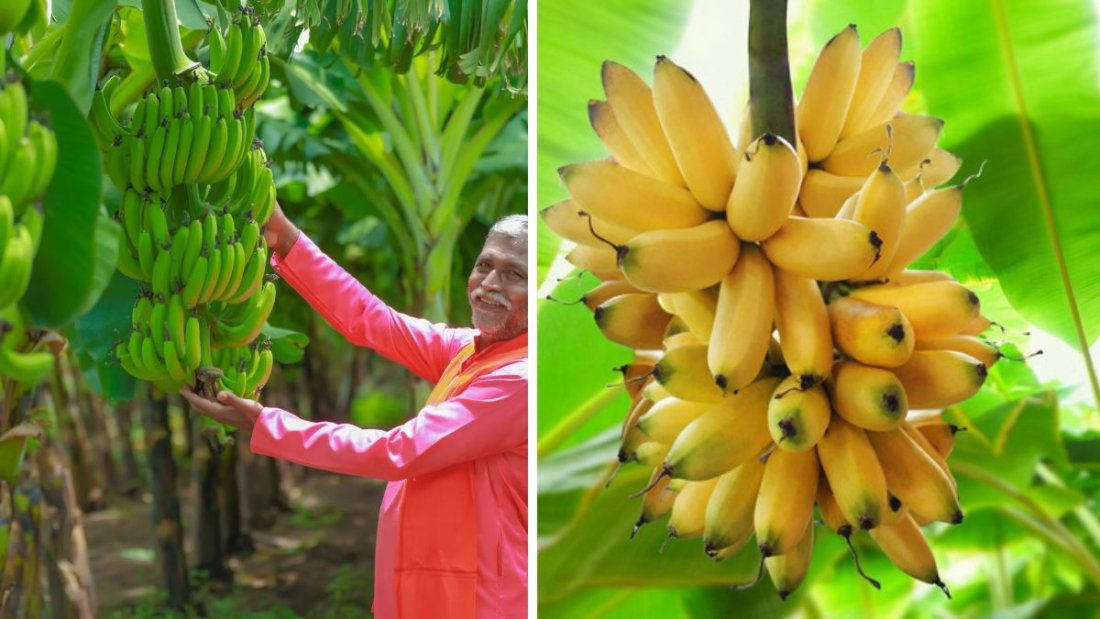
India is the largest banana producer in the world, contributing nearly 25% of the world’s total banana production.

  • Produces over 30 million tonnes annually
  • Bananas are grown in almost every state of India
  • Major producing states include Tamil Nadu, Maharashtra, Gujarat, Karnataka, Andhra Pradesh, and Kerala

India primarily grows bananas for domestic consumption, although it also exports to several countries, making it the undisputed global leader.


Why India Excels in Banana Production

India’s dominance in banana production is due to a combination of favorable climate, fertile soil, and centuries of cultivation experience.

1. Ideal Climate and Geography

Bananas thrive in:

  • Warm, tropical, and subtropical climates
  • Well-draining loamy or alluvial soils
  • Annual rainfall of 1000–2500 mm
  • Temperature range: 26°C–30°C

India’s southern and western regions provide these perfect conditions for year-round cultivation.


2. Widespread Cultivation

Bananas are grown across India in both small backyard farms and large commercial plantations.

  • Tamil Nadu: Famous for Rasthali, Poovan, and Red Banana
  • Maharashtra: Grows Musa Basjoo and Robusta varieties
  • Gujarat: Produces high-quality export bananas
  • Karnataka and Andhra Pradesh: Leading producers of Cavendish bananas

This widespread cultivation ensures consistent production and supply.


3. High-Yield Varieties

India cultivates numerous banana varieties suitable for different markets:

  • Cavendish – Ideal for export
  • Robusta – Widely grown for domestic consumption
  • Poovan and Rasthali – Popular local varieties

High-yield varieties help farmers meet both domestic demand and export requirements.


4. Economic Significance

Banana cultivation is a major source of income for Indian farmers:

  • Provides employment to millions in farming, harvesting, packing, and distribution
  • Generates substantial export revenue
  • Bananas support the rural economy and food security

Bananas are also integral to festivals, cultural traditions, and religious ceremonies in India, adding to their economic and cultural importance.


Other Major Banana-Producing Countries

While India leads in production, several other countries are also key players in the global banana market.


Philippines

  • Produces around 9 million tonnes annually
  • Major export-oriented production, primarily Cavendish variety
  • Grows mainly in Mindanao, Davao, and Zambales
  • Exports mainly to Japan, China, and Middle Eastern countries

The Philippines is one of the top banana exporters in the world.


Brazil

  • Produces over 7 million tonnes annually
  • Known for Robusta and Prata varieties
  • Major production areas: Southeast Brazil, Bahia, and Minas Gerais
  • Primarily consumed domestically, with some exports to neighboring countries

Brazil is one of the largest consumers and producers of bananas in the Americas.


Ecuador

  • Produces around 6 million tonnes annually
  • Known globally as a major exporter of Cavendish bananas
  • Exports bananas to Europe, North America, and Asia
  • Ecuador earns billions annually from banana exports

Ecuador is considered the backbone of the global banana trade due to its export volume.


Other Notable Producers

  • Indonesia – 6 million tonnes, mainly for domestic consumption
  • China – 5.5 million tonnes, domestic consumption
  • Costa Rica – 2.5 million tonnes, primarily export-focused
  • Colombia – 2 million tonnes, major exporter to the U.S. and Europe

Global Banana Production Statistics (Approximate)

CountryAnnual Production (Tonnes)
India30,000,000+
Philippines9,000,000+
Brazil7,000,000+
Ecuador6,000,000+
Indonesia6,000,000+
China5,500,000+
Costa Rica2,500,000+
Colombia2,000,000+

Banana Cultivation Practices

Successful banana cultivation depends on proper care and management.

1. Soil Preparation

  • Use well-draining loamy or sandy soil
  • Enrich with organic manure or compost
  • Avoid waterlogging which causes root rot

2. Planting

  • Banana plants can be grown from suckers or tissue culture plantlets
  • Spacing: 2–3 meters between plants
  • Depth: Plant suckers with roots fully covered by soil

3. Watering

  • Requires regular watering, especially during dry seasons
  • Avoid waterlogging as it leads to diseases

4. Fertilization

  • Use nitrogen-rich fertilizers for vegetative growth
  • Supplement with potassium and phosphorus for fruiting
  • Apply compost and organic manure to improve soil health

5. Pest and Disease Management

Common banana pests:

  • Banana weevil
  • Aphids
  • Nematodes

Common diseases:

  • Panama disease
  • Black Sigatoka
  • Bacterial wilt

Control measures include crop rotation, resistant varieties, and organic pest management.


6. Harvesting

  • Bananas are harvested when fruit is mature but still green
  • Cutting the bunch carefully to avoid bruising
  • Usually takes 9–12 months from planting to first harvest

7. Storage and Transport

  • Keep bananas in cool, ventilated areas to prevent ripening
  • Exported bananas are often treated with ethylene inhibitors to extend shelf life
  • Proper packaging is crucial to prevent damage during transport

Fun Facts About Bananas

  • Bananas are technically berries
  • India grows more bananas than any other country, but most are consumed domestically
  • Cavendish bananas are the most widely exported variety
  • Bananas are one of the earliest cultivated crops in human history

Final Answer: Largest Banana Producer

India is the largest banana producer globally, producing over 30 million tonnes annually. Its ideal climate, widespread cultivation, high-yield varieties, and domestic consumption make India the leader in global banana production.


Final Thoughts

Bananas are more than just a fruit—they are a cultural icon, a dietary staple, and a major economic crop. While many countries produce bananas for domestic and export markets, India remains at the forefront, leading in total production and diversity of varieties.

Whether eaten fresh, used in desserts, or exported to distant countries, bananas are a true global fruit. India’s dominance in production ensures that millions of people around the world can enjoy this sweet, nutritious fruit every day.

My First Amazing White Peach: A Journey from Bloom to Harvest

My First Amazing White Peach: A Journey from Bloom to Harvest

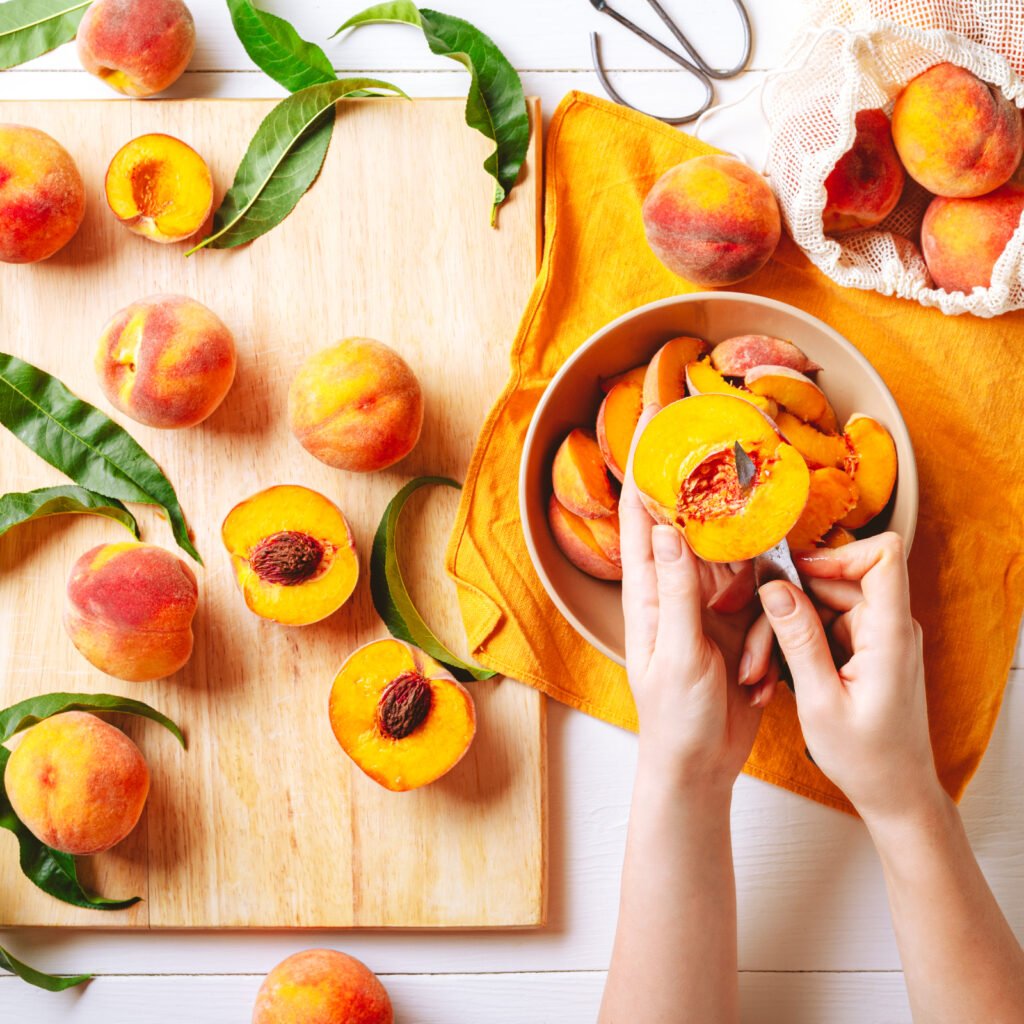
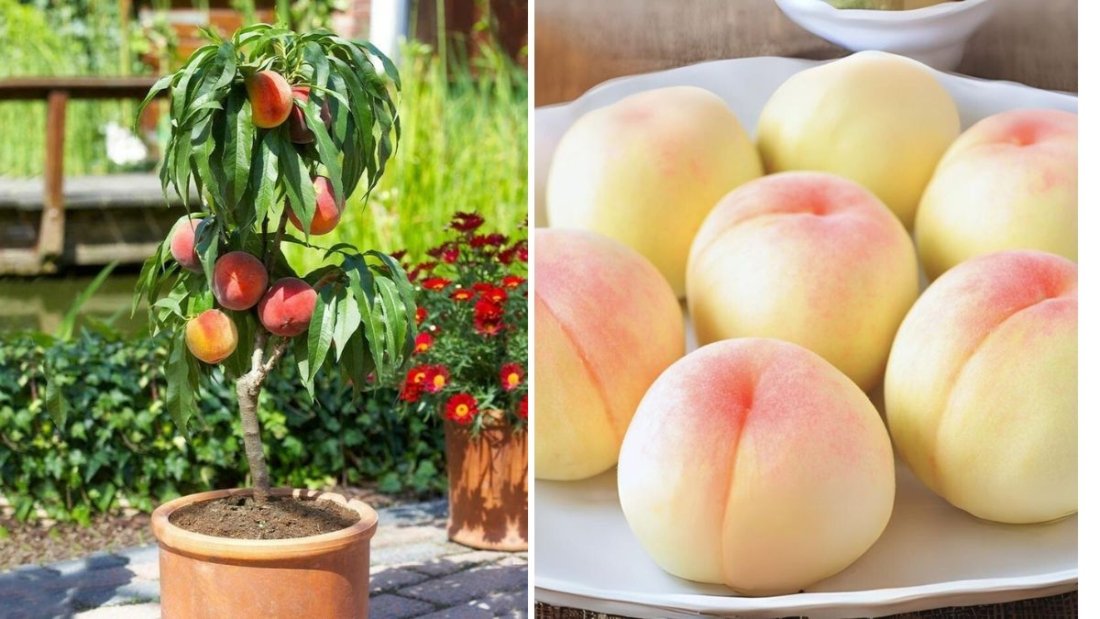
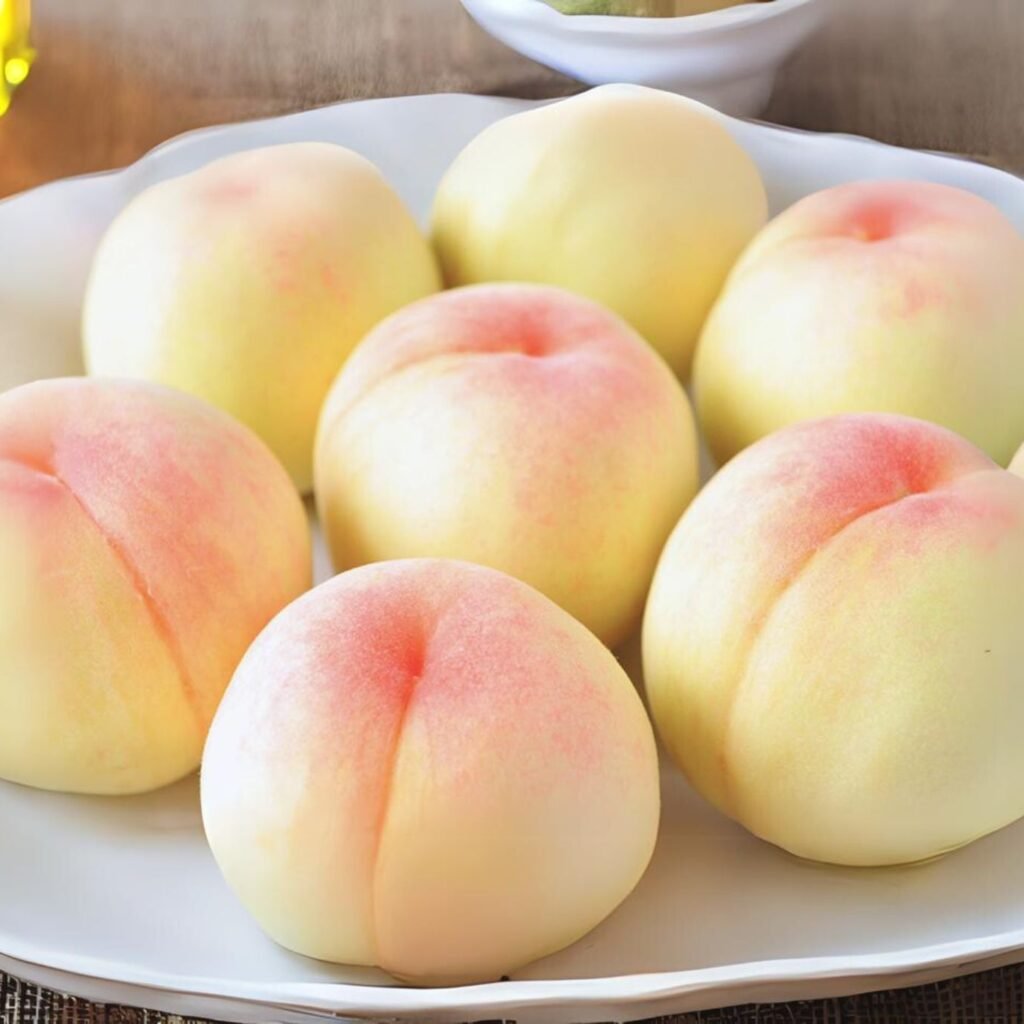
Growing your own fruit tree is a rewarding experience, but harvesting your very first white peach — that’s pure magic. White peaches are known for their stunning blush-pink skins, delicate fragrance, and irresistibly sweet flavor. Unlike their yellow counterparts, white peaches are lower in acid, making their taste smoother and more floral. In this blog, we’ll explore the entire journey — from planting and caring for a white peach tree to that exciting first harvest. Whether you’re an orchard enthusiast or a home gardener, you’ll find inspiration and practical tips to grow your own “amazing white peach.”


The Charm of White Peaches

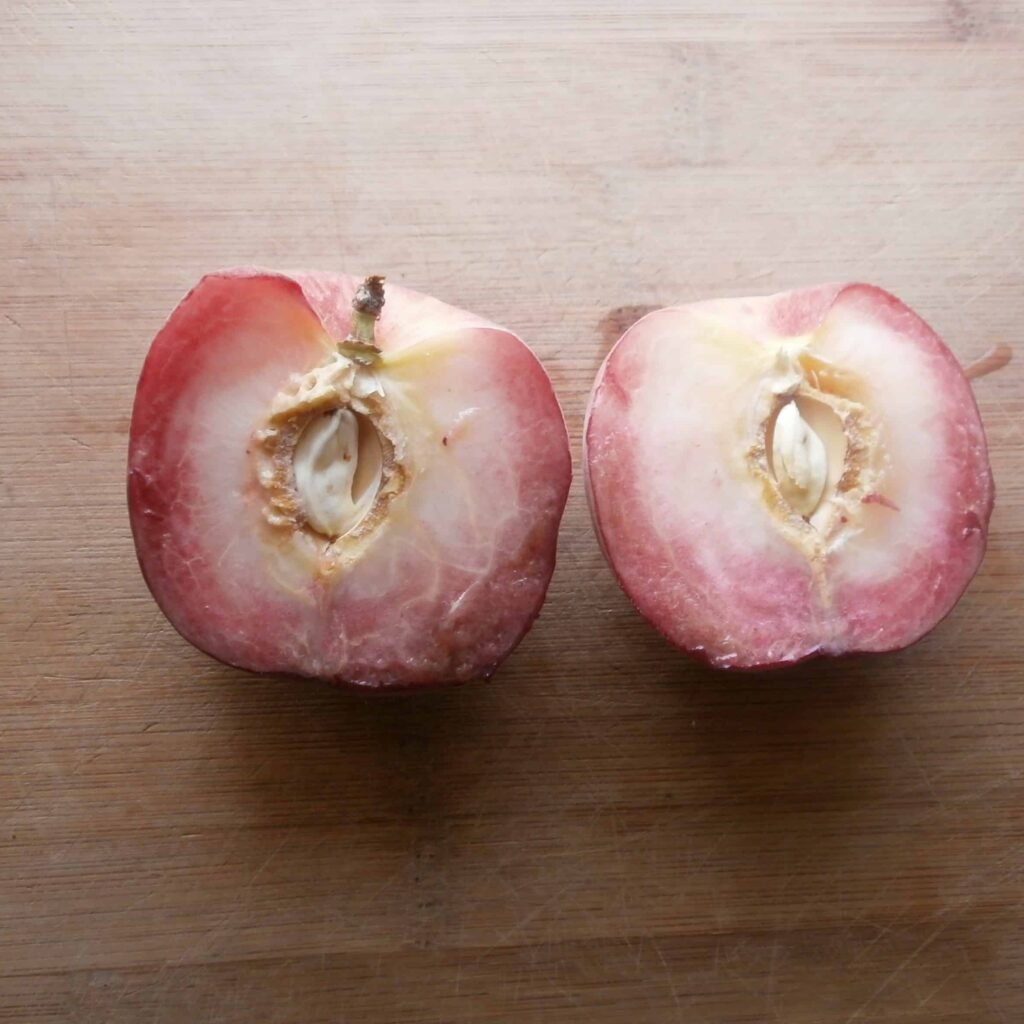
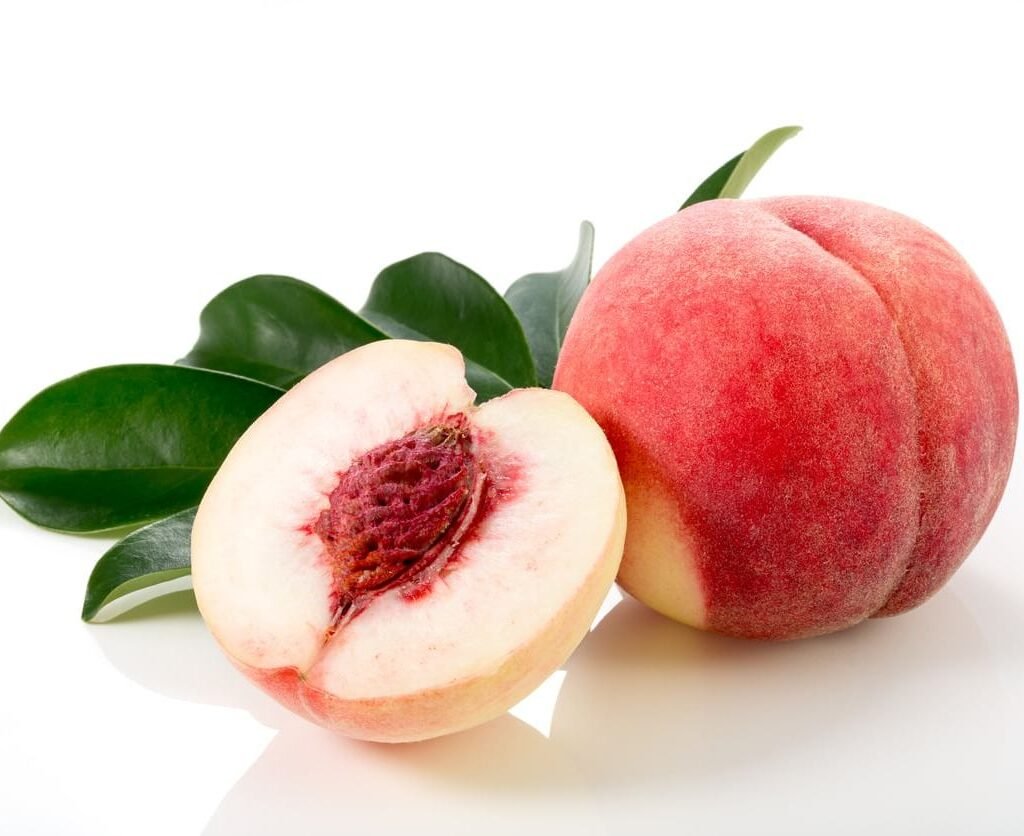
White peaches (Prunus persica) have long been prized in Asia for their fragrant aroma and tender, juicy flesh. Their creamy white interior and blushed skin make them a beautiful sight in any fruit bowl or orchard. What sets them apart is their unique balance of sugar and low acidity — they offer a honey-like sweetness without the tangy bite found in yellow peaches.

They’re perfect for fresh eating, desserts, or even chilled peach salads. Once you’ve tasted a homegrown white peach, it’s hard to go back to store-bought ones.


Choosing the Right Variety

Before diving into your white peach adventure, selecting the right variety for your climate is essential. Some popular choices include:

  • White Lady: Known for its juicy, sweet flavor and resistance to bruising.
  • Arctic Supreme: A high-chill variety that produces large, richly flavored peaches.
  • Babcock: A classic white peach variety that performs well in warm climates.
  • Sugar Giant: Produces large, firm fruit with an intense sweetness.
  • Saturn (Donut Peach): Small, flat, and packed with sweetness — ideal for home gardens.

Each variety has its own charm, but all share that signature white flesh and fragrant taste that white peach lovers adore.


Planting and Soil Preparation

To grow your first white peach successfully, start with the right foundation.

1. Location:
Choose a sunny spot — at least 6 to 8 hours of direct sunlight daily. Peaches love warmth, and sunlight is key to fruit sweetness and healthy growth.

2. Soil:
White peaches thrive in well-draining, loamy soil with a pH between 6.0 and 7.0. Avoid waterlogged areas, as peach roots are sensitive to excess moisture.

3. Planting:

  • Dig a hole about twice the width of the root ball and just as deep.
  • Mix compost or well-rotted manure into the soil to enhance fertility.
  • Place the tree in the hole so the graft union (the swollen area near the base of the trunk) stays above the soil line.
  • Backfill gently and water thoroughly.

If planting multiple trees, keep at least 15–20 feet of spacing between them to allow good airflow and sunlight penetration.


Caring for Your Tree: Watering, Feeding, and Pruning

Your white peach tree will need consistent care to thrive and produce that “amazing” first harvest.

Watering:
Newly planted trees should be watered deeply once or twice a week. Mature trees benefit from deep watering during dry spells, especially during fruit development. Avoid shallow, frequent watering as it encourages weak roots.

Feeding:
Fertilize your tree in early spring and mid-summer with a balanced fertilizer (10-10-10 NPK). You can also use organic compost or aged manure to enrich the soil naturally.

Pruning:
Pruning is crucial for maintaining tree shape, promoting airflow, and encouraging fruiting.

  • Prune during the dormant season (late winter).
  • Remove dead or crossing branches and open up the canopy to sunlight.
  • Thin the fruit when they are about the size of marbles, leaving 6–8 inches between peaches. This ensures larger, juicier fruit.

Pollination and Flowering

xr:d:DAFyuMS4HpE:842,j:2396328625729190630,t:23122716

Most white peach trees are self-pollinating, meaning they can bear fruit without another tree nearby. However, having multiple trees can increase fruit yield.

In early spring, the tree bursts into a beautiful display of pink blossoms — a sight that signals the promise of fruit to come. Bees play a vital role in pollination, so having pollinator-friendly plants nearby will help your peaches flourish.


Protecting Your Tree from Pests and Diseases

Peach trees can face a few common challenges, but with preventive care, they can stay healthy.

Common Pests:

  • Aphids: Cause curling leaves; control them with neem oil or insecticidal soap.
  • Peach tree borers: Tunnel into the trunk; protect by wrapping the base with tree guards.
  • Fruit moths: Lay eggs on fruit; use pheromone traps or sticky bands.

Common Diseases:

  • Peach leaf curl: Causes distorted red leaves; treat with dormant oil spray before buds open.
  • Brown rot: Fungal infection affecting fruit; prune affected areas and improve airflow.

Practicing good orchard hygiene — removing fallen leaves and fruit — helps minimize disease spread.


The Journey to the First White Peach

Patience is key when growing peaches. Most trees begin fruiting in their third year, though some grafted varieties may produce sooner.

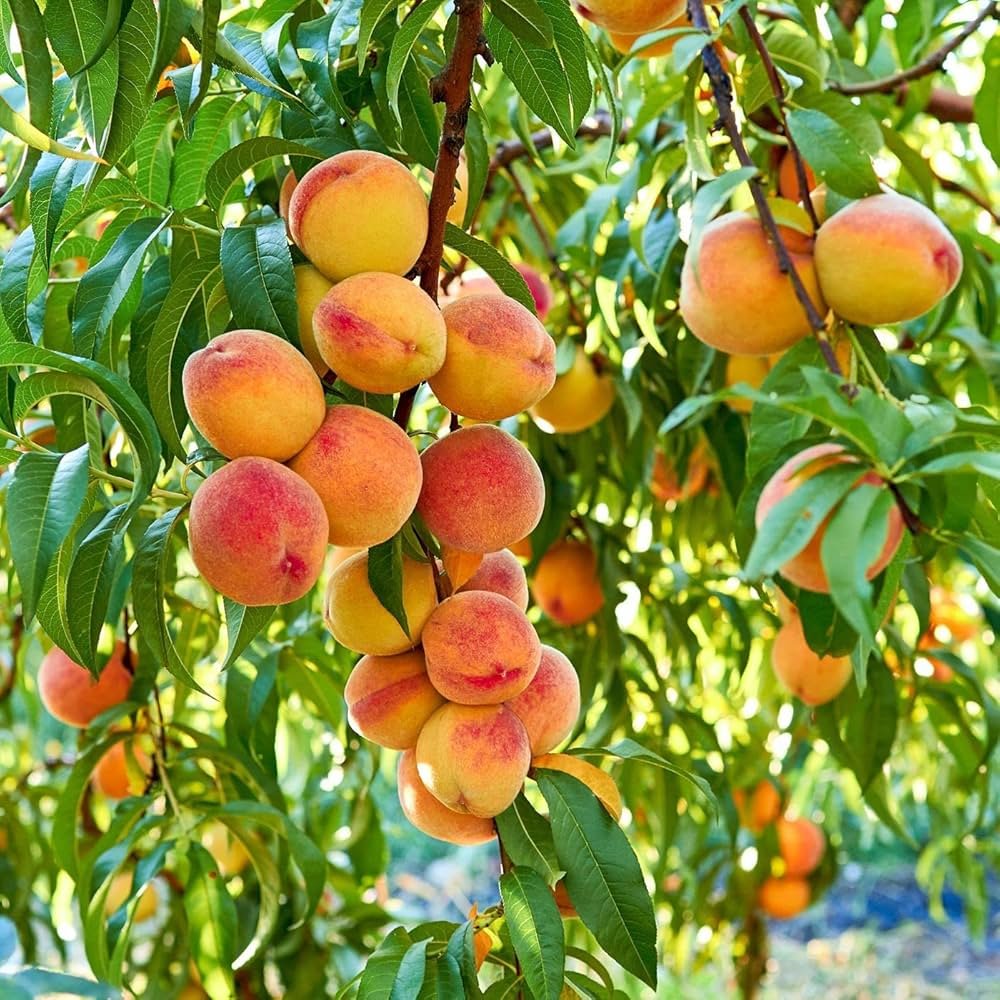
In the first year, focus on root and branch development. By the second year, you may notice a few blossoms — a sign your tree is maturing. Then comes that exciting summer when the first white peach ripens on the branch, glistening in the sunlight with a blush of pink.

The anticipation of that first bite makes all the effort worthwhile.


Harvesting Your White Peaches

White peaches are typically ready for harvest between late June and early August, depending on the variety and your climate.

How to tell when they’re ready:

  • The background skin color turns from green to creamy white or light yellow.
  • The fruit gives slightly when gently pressed near the stem.
  • A rich, floral fragrance fills the air around the tree.

Handle peaches carefully when harvesting, as they bruise easily. Twist gently or use pruning shears to cut them from the branch.


Savoring the First Amazing White Peach

There’s something truly special about that first homegrown white peach. Its delicate sweetness and floral aroma are incomparable to store-bought fruit. Bite into one, and you’ll experience a burst of honeyed juice that tells a story of patience, care, and connection to nature.

Freshly picked white peaches can be enjoyed in countless ways:

  • Fresh: Simply sliced and eaten as a refreshing summer treat.
  • Desserts: Use them in pies, cobblers, or tarts.
  • Smoothies: Blend with yogurt or milk for a creamy, fruity drink.
  • Preserves: Make peach jam or jelly to enjoy the flavor year-round.

To store, refrigerate ripe peaches for up to a week, but for the best flavor, eat them at room temperature.


Growing Tips for Continued Success

Once your first harvest is complete, your journey doesn’t end — it’s only the beginning. Keep nurturing your tree for bigger and sweeter harvests in the coming years.

  • Mulch annually to retain moisture and suppress weeds.
  • Fertilize regularly for consistent fruiting.
  • Thin the fruit every year to improve quality and reduce stress on the tree.
  • Prune yearly to maintain size and promote healthy growth.

As your white peach tree matures, it will reward you with abundant fruit and stunning spring blossoms year after year.


Conclusion: The Joy of Growing White Peaches

From a small sapling to a tree heavy with delicious fruit, growing white peaches is an experience filled with anticipation, care, and joy. Your first white peach is more than just a fruit — it’s a milestone that celebrates patience and the harmony between gardener and nature.

So if you’ve been dreaming about growing something special in your garden, let it be the white peach. With a little love and attention, your first “amazing white peach” will be just the beginning of many sweet harvests to come.
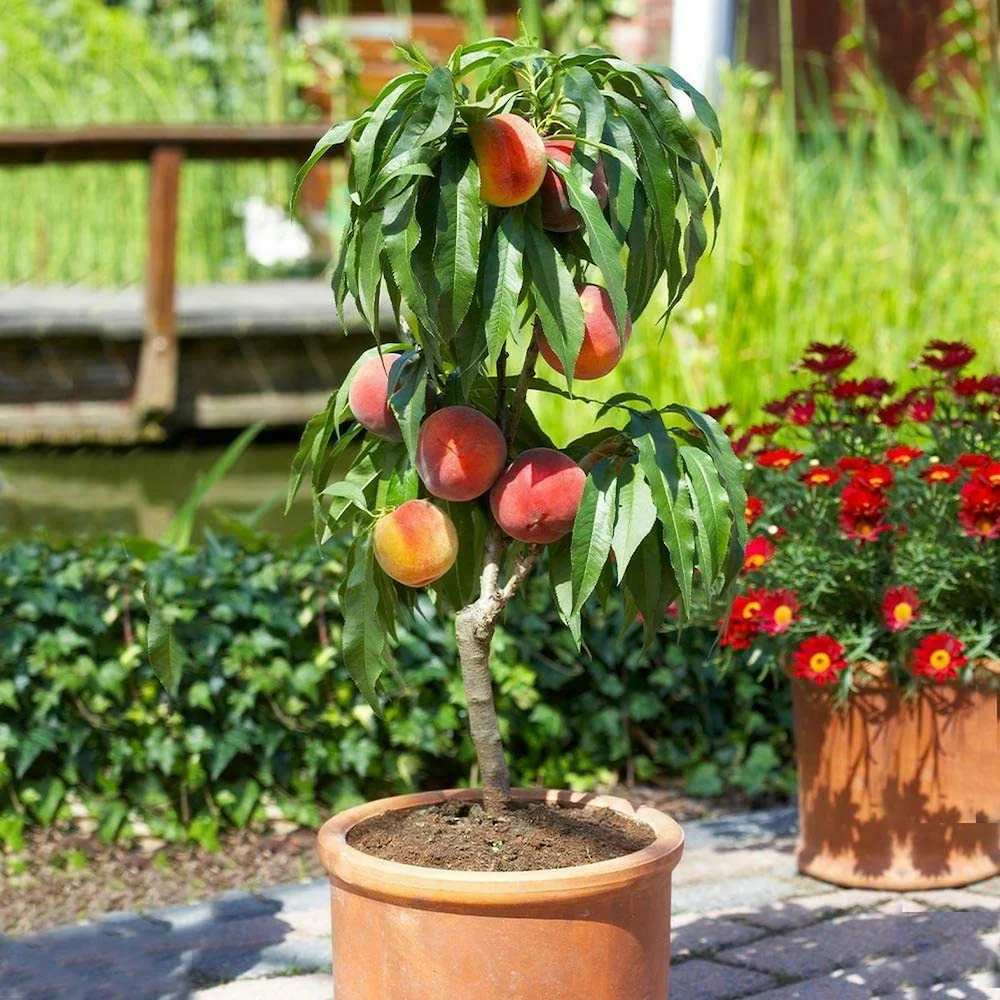
Planting a Blenheim Apricot Tree: A Step-by-Step Guide to Growing One of the Best Apricot Varieties

Planting a Blenheim Apricot Tree: A Step-by-Step Guide to Growing One of the Best Apricot Varieties

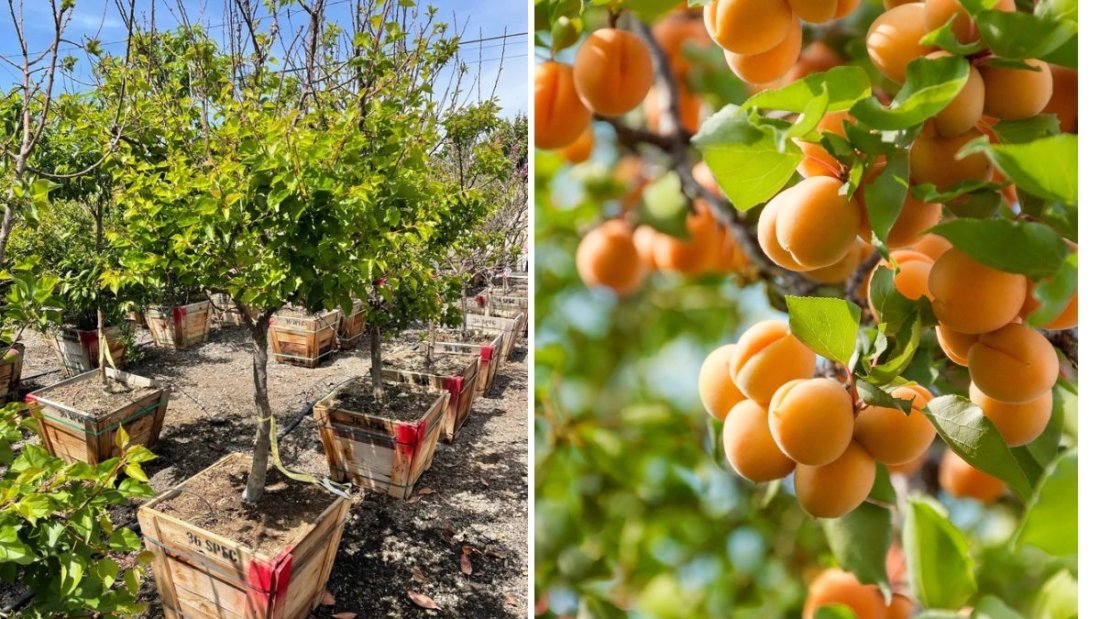
If you’ve ever dreamed of growing your own sweet, fragrant apricots at home, planting a Blenheim apricot tree is one of the best decisions you can make. Known for its incredible flavor, aromatic flesh, and versatility, the Blenheim apricot has long been considered the gold standard of apricots for both fresh eating and drying. Whether you’re an experienced gardener or a beginner looking to expand your home orchard, learning how to plant and care for this tree properly will reward you with years of delicious harvests.
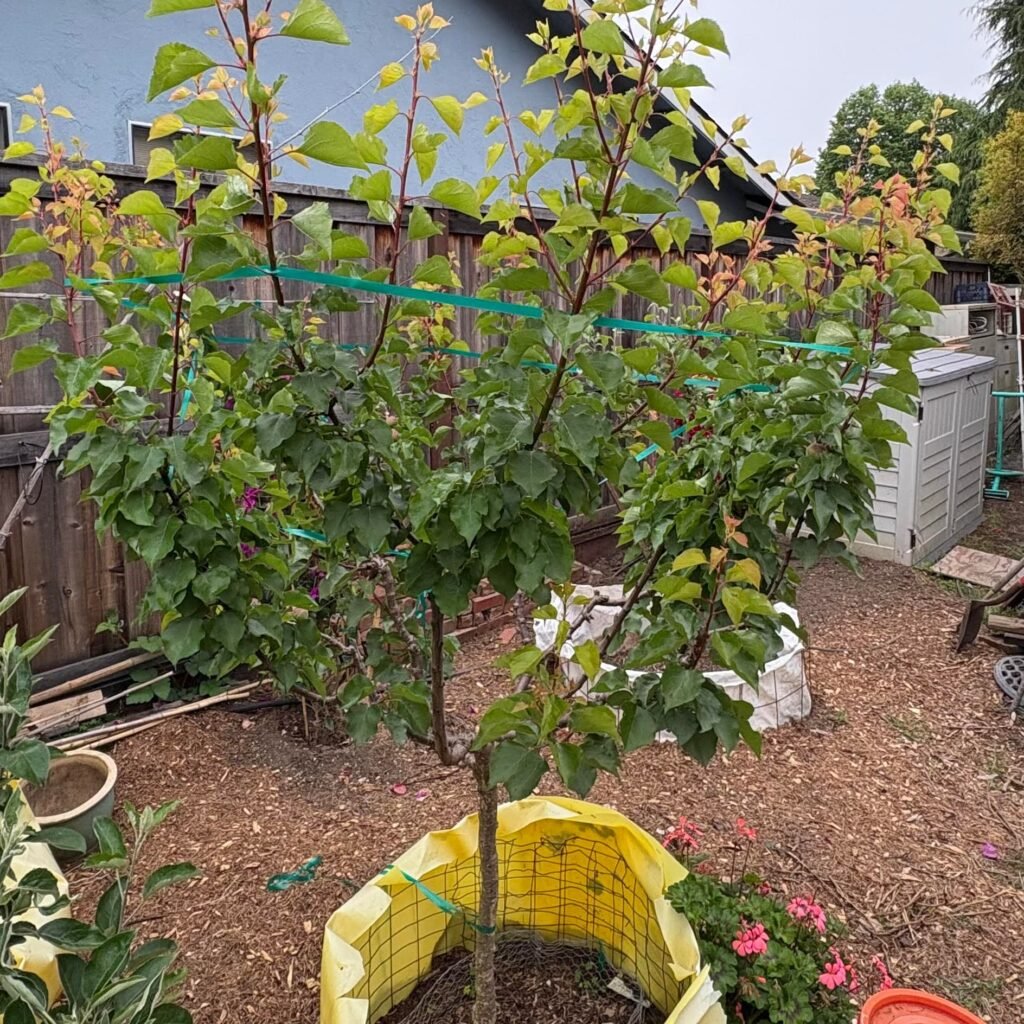
In this detailed guide, we’ll walk you through everything you need to know about planting and nurturing a Blenheim apricot tree — from site selection and soil preparation to care, pruning, and harvesting.


The Story Behind the Blenheim Apricot

Before diving into the planting process, it’s worth appreciating the heritage of the Blenheim apricot. This variety originated in England in the early 1800s and quickly became prized for its complex flavor profile — a perfect balance of sweetness and tartness with a distinct floral aroma. In California, the Blenheim (also known as the Royal Blenheim) became the dominant apricot variety for decades due to its ideal adaptation to warm, dry climates and its suitability for drying into golden-orange halves.

Although commercial growers have since shifted to varieties with longer shelf lives, home gardeners still treasure Blenheim apricots for their unmatched taste and reliable productivity.


Choosing the Perfect Planting Site

Blenheim apricot trees thrive best in full sun, where they can receive at least 6 to 8 hours of direct light per day. Sunlight is crucial for developing the tree’s sweet fruit flavor and promoting healthy growth.

Here’s what to look for when choosing a location:

  1. Good Air Circulation: Apricots are somewhat prone to fungal issues, so an open, breezy spot helps reduce humidity around the tree.
  2. Well-Draining Soil: Apricots dislike waterlogged soil. Sandy loam or loamy soil with excellent drainage is ideal.
  3. Slight Elevation: If possible, choose a slightly elevated location to help cold air drain away, reducing the risk of frost damage to early blossoms.

If you live in an area with cold winters, make sure your planting site receives plenty of winter sun and is protected from strong winds.


When and How to Plant a Blenheim Apricot Tree

The best time to plant an apricot tree is during late winter to early spring, when the tree is still dormant. This gives the roots time to establish before the growing season begins.

Step 1: Prepare the Soil

Start by loosening the soil about 2–3 feet deep and wide. Remove weeds, stones, and any debris. Mix in plenty of organic compost or well-rotted manure to enrich the soil with nutrients. Apricots prefer slightly alkaline to neutral soil (pH 6.5–7.5).

Step 2: Dig the Hole

Dig a planting hole that’s roughly twice the width of the root ball and slightly shallower than its height. This helps the roots spread easily into the surrounding soil.

Step 3: Position the Tree

Place the tree in the center of the hole, ensuring the graft union (the bulge where the rootstock meets the trunk) sits about 2 inches above ground level. This prevents rot and discourages suckers from growing.

Step 4: Backfill and Water

Backfill the hole with the enriched soil, gently firming it down to remove air pockets. Water thoroughly after planting to help settle the soil around the roots.

Step 5: Mulch and Support

Apply a 2–3 inch layer of mulch around the base, keeping it a few inches away from the trunk to avoid rot. Mulch helps retain moisture and regulate soil temperature. Stake young trees if needed to protect them from strong winds.


Watering and Feeding Your Blenheim Apricot Tree

During the first year, consistent watering is essential. Water deeply once a week, allowing the soil to dry slightly between watering. Once established, Blenheim apricots are relatively drought-tolerant but will produce juicier fruits with regular watering during the growing season.

Avoid overwatering, as soggy roots can lead to root rot or fungal diseases.

For feeding, apply a balanced organic fertilizer (such as 10-10-10) in early spring before new growth begins. Once the tree starts fruiting, a light application of compost or a fertilizer with a slightly higher potassium content helps improve fruit quality.


Pruning and Shaping for Healthy Growth

Pruning is one of the most important aspects of maintaining a productive Blenheim apricot tree. Apricots tend to produce fruit on two-year-old wood, so pruning must encourage new growth while keeping the canopy open for light and air circulation.

Key Pruning Steps:

  1. Initial Training: When young, shape the tree into an open-center or vase form with 3–4 main branches. This structure allows sunlight to reach all parts of the tree.
  2. Annual Pruning: In late winter, remove dead, diseased, or crossing branches. Thin out crowded areas to prevent disease and improve fruit quality.
  3. Post-Harvest Pruning: Lightly trim back excessive new shoots in summer to maintain a manageable shape.

Regular pruning also prevents overbearing — which can lead to small fruits or limb breakage.


Pollination and Fruit Production

Most Blenheim apricot trees are self-fertile, meaning they can set fruit without another tree nearby. However, planting a second apricot variety such as Moorpark or Tilton can sometimes increase yield and improve pollination rates.

The tree typically starts producing fruit 3 to 4 years after planting, with full production achieved by year 5 or 6.


Protecting Your Tree from Pests and Diseases

While Blenheim apricots are hardy, they can be affected by a few common pests and diseases:

  • Aphids: These small insects can damage leaves and new growth. Use neem oil or insecticidal soap as an organic control.
  • Brown Rot: A fungal disease that affects flowers and fruit. Prune regularly for good airflow and remove any mummified fruits after harvest.
  • Gummosis: Caused by stress or disease, this condition leads to sap oozing from the bark. Avoid injuring the tree and maintain good soil health.

Birds are also fond of ripe apricots, so consider using bird netting or reflective tape to protect your harvest.


Harvesting and Enjoying Blenheim Apricots

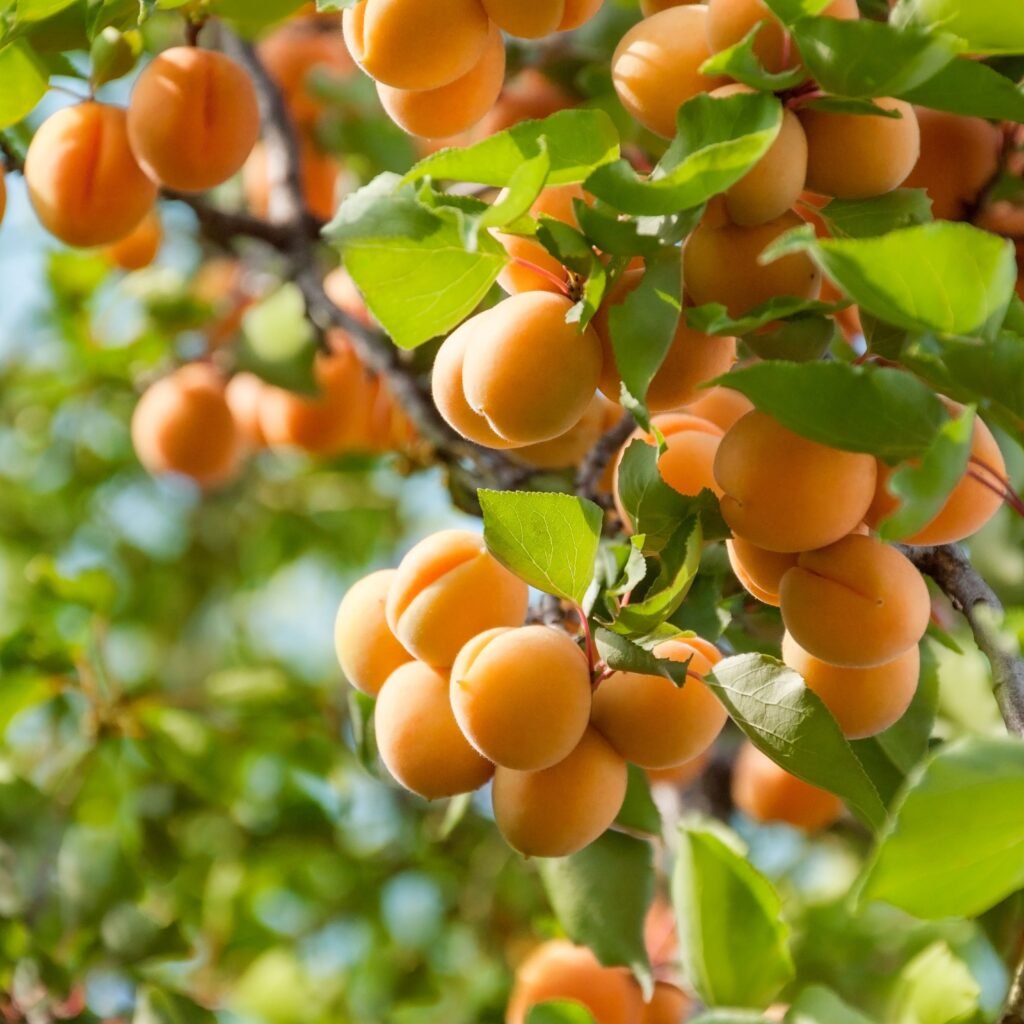
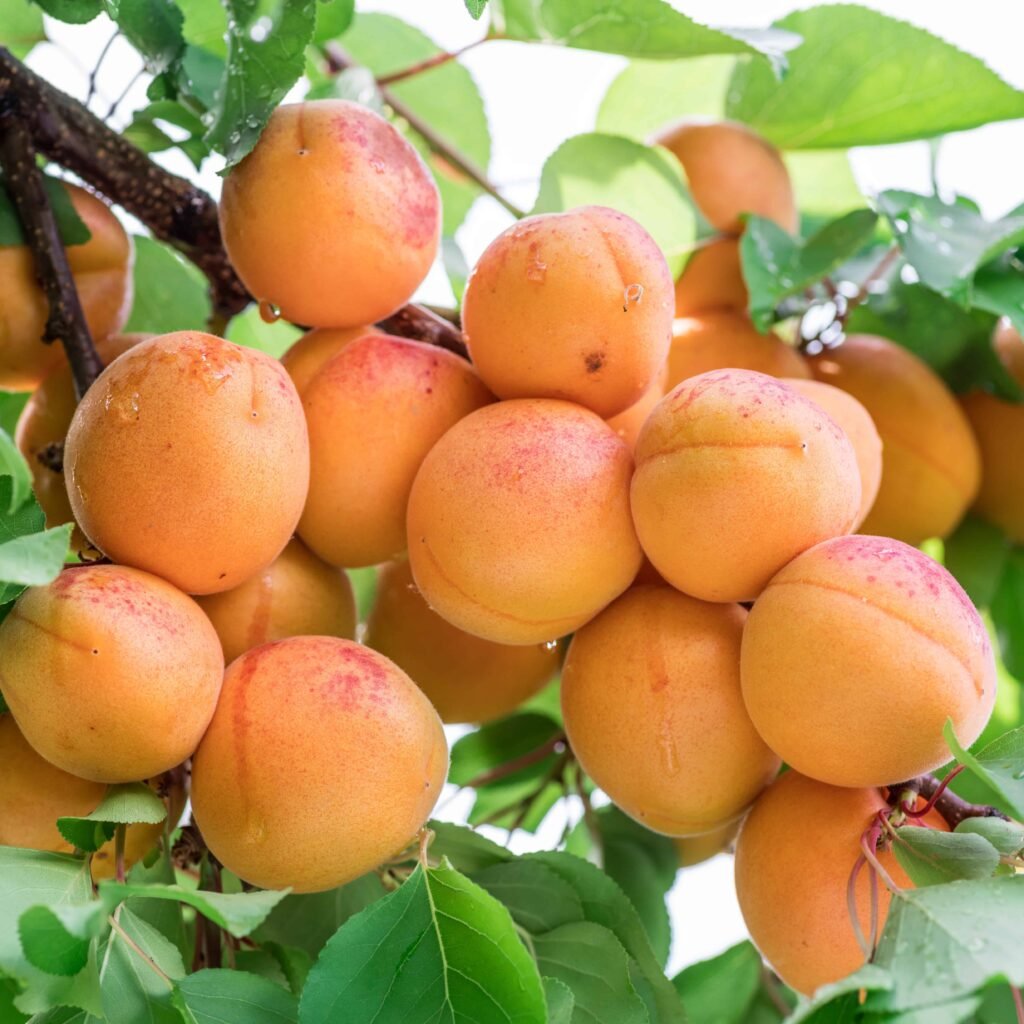
Blenheim apricots typically ripen in mid to late summer, depending on your climate. The fruits are ready to harvest when they turn a deep golden-orange and yield slightly to pressure. Unlike some supermarket varieties, Blenheim apricots are best when fully ripened on the tree, where they develop their rich, honeyed flavor.

Fresh Blenheim apricots are perfect for eating out of hand, but they’re also excellent for making jams, preserves, pies, or dried snacks. Their naturally high sugar content and aromatic flesh make them one of the most versatile stone fruits in the garden.


Winter Care and Longevity

In colder regions, protect young trees from frost by wrapping the trunk with tree guards or using burlap. Mature trees can tolerate brief periods of cold, but frost during flowering can reduce yields.

Blenheim apricot trees, when well cared for, can live and bear fruit for 20 years or more, making them a long-term investment in your home orchard’s success.


Final Thoughts

Planting a Blenheim apricot tree is more than just adding another fruit tree to your yard — it’s growing a piece of history and a source of sweet, sun-ripened joy. With the right care, soil preparation, and attention to pruning, you can enjoy years of fragrant blossoms and bountiful harvests.

From its heritage flavor to its beauty in bloom, the Blenheim apricot truly earns its title as one of the best apricot varieties for home gardeners. So roll up your sleeves, find the perfect sunny spot, and start your journey toward enjoying your very own Blenheim apricot harvest!

How To Grow Sweet Strawberries & Enjoy Your First Albion Harvest of the Season

How To Grow Sweet Strawberries & Enjoy Your First Albion Harvest of the Season

There’s nothing quite like the taste of a freshly picked strawberry — warm from the sun, bursting with sweetness, and fragrant in a way store-bought berries can never match. Growing your own strawberries at home is not only rewarding but also surprisingly easy when you follow the right steps. Among the many varieties available, Albion strawberries stand out as one of the best choices for home gardeners. Known for their large, glossy red berries and intense sweetness, Albion strawberries are everbearing, meaning they produce fruit from spring all the way through fall.

In this article, we’ll walk you through everything you need to know about growing sweet, flavorful strawberries and share how to achieve your first successful Albion harvest of the season.


Why Choose Albion Strawberries?

Albion is a modern day-neutral (everbearing) strawberry variety developed by the University of California. It’s prized for its exceptional flavor, firm texture, and impressive productivity. Unlike June-bearing varieties that produce a single large crop once a year, Albion strawberries yield fruit continuously during the growing season as long as temperatures stay moderate.

Here’s why gardeners love the Albion variety:

  • Sweet, rich flavor: Albion strawberries are famous for their high sugar content and aromatic taste.
  • Firm, glossy berries: Perfect for eating fresh, freezing, or using in desserts.
  • Long harvest season: Produces fruit from late spring through fall.
  • Disease resistance: Albion is known for its resistance to common strawberry diseases like verticillium wilt and Phytophthora crown rot.
  • Adaptable: Grows well in both garden beds and containers.

If your goal is to enjoy fresh strawberries throughout the year, Albion is the variety you’ll want to plant.


Choosing the Right Location

Strawberries love sunlight — and plenty of it. To get the sweetest fruit, choose a planting site that receives at least 6–8 hours of direct sunlight daily. The more sun your plants get, the sweeter and more flavorful your strawberries will be.

Your soil should be well-draining and rich in organic matter. Strawberries dislike standing water, which can cause root rot and fungal problems. A slightly acidic soil with a pH between 5.5 and 6.5 is ideal.

If your garden soil is heavy clay or tends to hold water, consider planting strawberries in raised beds or large containers. This helps improve drainage and makes it easier to manage soil quality.


Preparing the Soil

Healthy soil is the foundation of any great strawberry harvest. Before planting:

  1. Clear the area of weeds, rocks, and debris.
  2. Loosen the soil to a depth of 10–12 inches.
  3. Incorporate compost or well-rotted manure into the top layer to provide essential nutrients.
  4. Avoid planting strawberries where tomatoes, peppers, eggplants, or potatoes have grown in the past few years — these crops can carry diseases harmful to strawberries.

A nutrient-rich, aerated soil gives strawberry roots the perfect environment to grow strong and produce sweet, juicy berries.


Planting Albion Strawberries

The best time to plant Albion strawberries is in early spring, once the risk of frost has passed. You can also plant them in late summer or early fall in mild climates.

Planting Steps:

  1. Dig small holes deep enough to accommodate the roots without bending them.
  2. Place each plant about 12–18 inches apart in rows spaced 2 feet apart.
  3. Position the crown (the part where the leaves meet the roots) at soil level. If planted too deep, the crown may rot; too shallow, and the roots may dry out.
  4. Backfill with soil and firm it gently around the roots.
  5. Water thoroughly after planting to help the roots settle in.

If you’re planting in containers, choose a large pot with good drainage holes. A hanging basket or vertical planter is a great option for saving space while keeping fruit off the ground.


Watering and Feeding for Sweetness

Consistent moisture is key to growing sweet, plump strawberries. Water your plants deeply 1–2 times per week, depending on weather conditions. During hot or dry periods, increase the frequency to keep the soil evenly moist but not soggy.

Avoid overhead watering, which can promote fungal problems. Instead, use a drip irrigation system or water at the base of the plants early in the morning.

To enhance sweetness and yield, feed your Albion strawberries with a balanced organic fertilizer or a low-nitrogen fruit fertilizer. Apply it at planting time and then every 4–6 weeks during the growing season. Too much nitrogen encourages leafy growth at the expense of fruit production, so moderation is key.


Mulching and Weed Control

Strawberries benefit greatly from a layer of mulch around the base of the plants. Mulching serves several purposes:

  • Keeps fruit clean and off the soil.
  • Retains moisture.
  • Suppresses weeds.
  • Regulates soil temperature.

Use straw, pine needles, or shredded leaves as mulch. Avoid heavy, compact materials that can trap too much moisture. Keep the mulch about 2 inches thick and a few inches away from the plant crown.


Pruning and Runner Management

Strawberry plants produce long stems called runners that grow new plantlets. While runners are useful for propagation, they can drain energy from fruit production.

During the first season, it’s best to remove runners to help the plant focus on establishing strong roots and producing larger, sweeter berries. Once your plants are mature and well-established, you can allow a few runners to root for future plantings.

Also, remove any dead or yellowing leaves to promote air circulation and reduce disease risk.


Pollination and Flower Care

Albion strawberries are self-pollinating, but pollinators like bees and butterflies can improve fruit set and size. Avoid using chemical sprays during flowering to protect these beneficial insects.

In the early stages of growth, you might consider removing the first few flowers. This encourages the plant to build stronger roots and results in better harvests later in the season.


Pests and Disease Prevention

Strawberries can attract a variety of pests, but with proper care, you can keep your plants healthy.

Common pests include:

  • Slugs and snails: Use copper tape or organic traps to deter them.
  • Aphids: Wash them off with water or spray with neem oil.
  • Birds: Cover your plants with bird netting once fruit starts to ripen.

To prevent diseases, make sure your strawberries are planted in well-drained soil and spaced properly for good airflow. Avoid watering in the evening and remove any diseased leaves promptly.


Harvesting the First Albion Strawberries

The most exciting part of growing strawberries is, of course, the harvest! With Albion strawberries, you can expect your first fruits within 3 months of planting, depending on growing conditions.

You’ll know your berries are ready when they’re fully red from top to bottom and give slightly when gently pressed. Don’t rush the harvest — strawberries do not continue to ripen once picked.

Use scissors or snip the stem to avoid bruising the fruit. Handle them carefully, as strawberries are delicate and can be easily damaged.

After harvesting, enjoy your Albion strawberries right away for the best flavor, or refrigerate them for up to 2–3 days. You can also freeze or dry them for long-term storage.


Encouraging Continuous Harvests

Since Albion strawberries are day-neutral, they’ll continue to produce flowers and fruit throughout the growing season. To keep the harvest going:

  • Regularly remove old fruit and dead leaves to stimulate new growth.
  • Fertilize lightly every month.
  • Keep up with watering during dry spells.
  • Protect plants from extreme heat with light shade cloth if necessary.

With proper care, you can enjoy multiple flushes of sweet, juicy strawberries from spring through fall.


Overwintering and Long-Term Care

Albion strawberries can last 2–3 years before needing replacement. In cold climates, protect plants over winter by covering them with straw mulch or frost cloth. In mild regions, they’ll continue growing slowly through the cooler months.

In early spring, remove winter mulch, clean up dead foliage, and apply fresh compost to prepare the plants for another fruitful season.


Final Thoughts

Growing Albion strawberries at home is one of the most satisfying gardening experiences you can have. With a bit of sunlight, regular watering, and some care, these resilient plants will reward you with a steady supply of sweet, juicy berries all season long.

From preparing the soil to savoring your first harvest, every step brings you closer to that unforgettable taste of freshly picked, homegrown strawberries — a reward that no store-bought berry can match.

So whether you’re tending a backyard patch, balcony planter, or raised bed, now’s the perfect time to start your own strawberry adventure. Before you know it, you’ll be enjoying your very own first Albion harvest of the season — fresh, fragrant, and full of homegrown sweetness