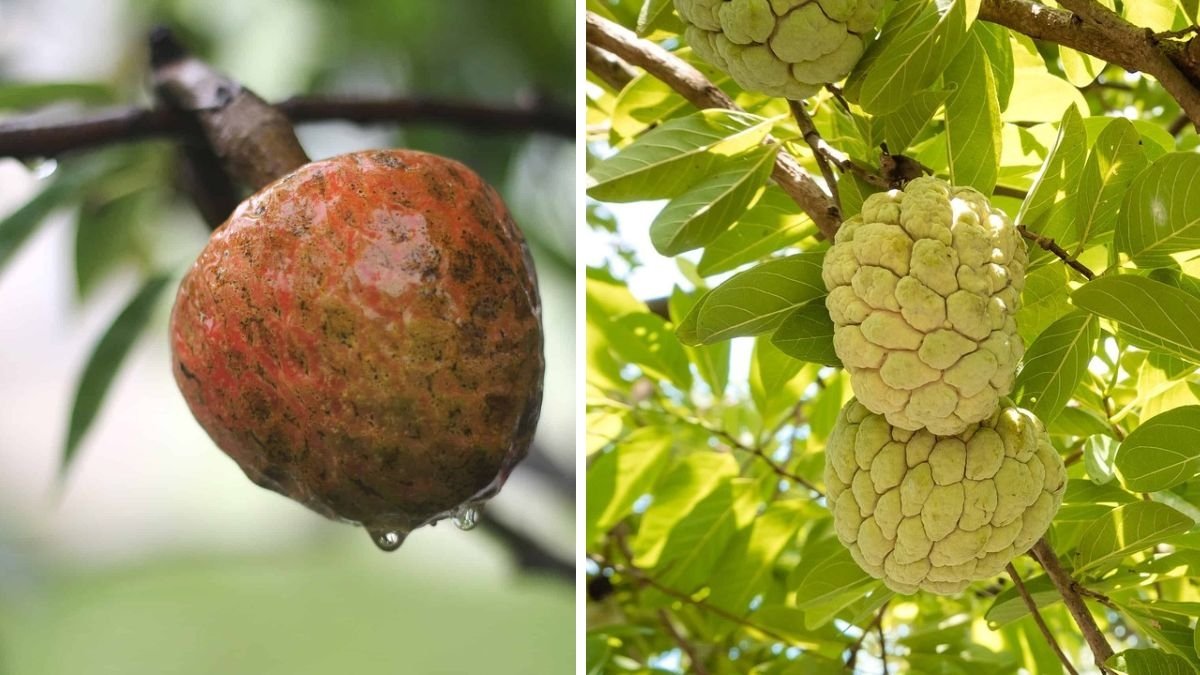
Custard apples, also known as sugar apples or Annona squamosa, are tropical fruits famous for their creamy, sweet pulp and unique, knobby appearance. Loved worldwide for their luscious taste and health benefits, custard apples have become a staple fruit in tropical and subtropical regions. But when it comes to global production, which country produces the most custard apples?
In this detailed guide, we’ll explore the leading custard apple-producing countries, why these nations excel, and the health and economic significance of this delicious fruit.
The Global Significance of Custard Apples
Custard apples are not just tasty; they are highly nutritious. Their sweet, creamy pulp is rich in vitamins, minerals, and antioxidants, making them a powerhouse fruit.
Nutritional Benefits of Custard Apples
- Rich in vitamin C – boosts immunity
- Contains vitamin B6 – supports brain health
- High in dietary fiber – aids digestion
- Provides potassium and magnesium – maintains heart health
- Loaded with antioxidants – fights free radicals
- Natural energy booster due to natural sugars
Because of their unique taste and health benefits, custard apples are in high demand globally, both for fresh consumption and for use in desserts, smoothies, and ice creams.
Custard Apple Varieties
There are several popular varieties grown worldwide, including:
- Desi / Local Varieties – Traditional varieties grown in India and tropical Asia
- African Pride – Known for larger fruit and creamier pulp
- Red Sitaphal – Unique reddish skin, sweet and aromatic
- Pear-shaped custard apple – Smaller, highly aromatic fruits
Different regions cultivate varieties best suited for their climate and soil conditions.
Which Country Produces the Most Custard Apples?
India — The Largest Producer of Custard Apples
India is the undisputed leader in custard apple production, contributing nearly 45–50% of the world’s total output.
- India produces over 1.5 million tonnes annually
- Custard apples are grown across multiple states, primarily in tropical and subtropical regions
- Major producing states: Madhya Pradesh, Maharashtra, Andhra Pradesh, Tamil Nadu, Karnataka, and West Bengal
India’s tropical climate, fertile soil, and long-standing agricultural experience make it perfect for custard apple cultivation.
Why India Excels in Custard Apple Production
Several factors contribute to India’s dominance:
1. Ideal Climate
Custard apples thrive in:
- Warm, tropical climates
- Well-draining sandy or loamy soil
- Moderate rainfall (700–1500 mm annually)
- Temperature range: 25–35°C
India’s tropical regions provide these perfect conditions, especially in central and southern states.
2. Widespread Cultivation
Custard apple cultivation is widespread in India:
- Madhya Pradesh – Called the custard apple hub of India
- Maharashtra – Especially in Pune and Satara districts
- Andhra Pradesh & Telangana – Known for commercial-scale orchards
- Tamil Nadu & Karnataka – Popular in backyard gardens and orchards
Farmers grow custard apples both for local consumption and commercial purposes.
3. High-Yield Varieties
India cultivates high-yield varieties suitable for different climates:
- Balanagar – Large fruit, soft pulp
- Sitaphal / Red Sitaphal – Sweet and aromatic
- Amini – Compact trees, early fruiting
- Local indigenous varieties – Adapted to local soil and climate
These varieties ensure a consistent supply to domestic and export markets.
4. Economic Importance
Custard apples are an essential cash crop for small and medium farmers in India:

- Provides steady income during harvest season
- Sold fresh in local markets and exported to the Middle East, Europe, and Asia
- Value-added products like pulp, jams, ice creams, and smoothies create additional revenue
The custard apple industry contributes significantly to rural livelihoods and agricultural exports.
Other Custard Apple-Producing Countries
While India leads globally, several other countries also contribute to the production of custard apples.
Philippines
- Produces around 200,000–250,000 tonnes annually
- Known locally as “sugar apple” or “atis”
- Popular for its sweet, creamy pulp
- Grown mainly in Luzon and Mindanao regions
The Philippines exports small quantities of custard apples, mainly to Asian markets.
Brazil
- Produces 100,000–150,000 tonnes annually
- Locally called “fruta-do-conde”
- Cultivated in tropical states like Bahia, Pernambuco, and Ceará
- Used in desserts, juices, and local cuisine
Brazilian custard apples are highly sought after for their creamy texture.
Mexico
- Produces 80,000–100,000 tonnes annually
- Grows well in semi-tropical regions
- Known for medium-sized fruits with sweet pulp
- Consumed domestically and exported regionally
Other Notable Countries
- Thailand – Small-scale production, local consumption
- Vietnam – Known for its unique varieties for domestic markets
- Sri Lanka – Grown in coastal and central regions
- Kenya & African countries – Limited commercial production
Custard Apple Cultivation Practices
For successful cultivation, farmers follow these steps:
1. Soil Preparation
- Use sandy loam or loamy soil with good drainage
- Add organic compost or manure to enrich nutrients
- Avoid heavy clay soil which causes root rot
2. Planting
- Plant using seeds or grafted saplings
- Spacing: 3–4 meters between trees
- Depth: 2–3 inches for seeds, 1–2 feet for saplings
3. Watering
- Water moderately during growth stage
- Avoid waterlogging
- Increase watering during flowering and fruiting
4. Fertilization
- Organic manure, compost, or nitrogen-rich fertilizer
- Supplement with potassium and phosphorus during fruiting
5. Pest & Disease Management
Common pests:
- Mealybugs
- Aphids
- Fruit borers
Common diseases:
- Powdery mildew
- Root rot
- Leaf spot
Control measures include neem oil spray, proper pruning, and good field sanitation.

6. Harvesting
- Custard apples are ready to harvest 3–4 months after flowering
- Fruit is harvested when skin starts turning slightly yellow and soft
- Handle gently to avoid bruising
7. Storage
- Keep in cool, ventilated place
- Shelf life is 3–5 days for fresh fruits
- Can be processed into pulp, jam, or frozen for longer storage
Economic and Cultural Importance
Custard apples are more than just food—they are part of cultural traditions:
- Used in festivals and religious rituals in India
- Sold in local markets and exported internationally
- Income generation for small-scale farmers
- Ingredient in traditional desserts, ice creams, and smoothies
Final Answer: Largest Custard Apple Producer
India is the largest custard apple-producing country in the world, producing over 1.5 million tonnes annually. Its tropical climate, widespread cultivation, high-yield varieties, and strong domestic and export markets make India the undisputed leader in custard apple production.
Final Thoughts
Custard apples are a treasure of tropical agriculture — nutritious, delicious, and economically significant. While several countries cultivate this fruit, India stands at the forefront, leading global production and supplying high-quality custard apples worldwide.
From backyard gardens to commercial orchards, custard apple cultivation continues to thrive, feeding millions and creating livelihoods for farmers. So next time you enjoy a sweet, creamy custard apple, remember that it represents centuries of cultivation, tropical sunshine, and a country that loves this fruit as much as its people do.

Leave A Comment