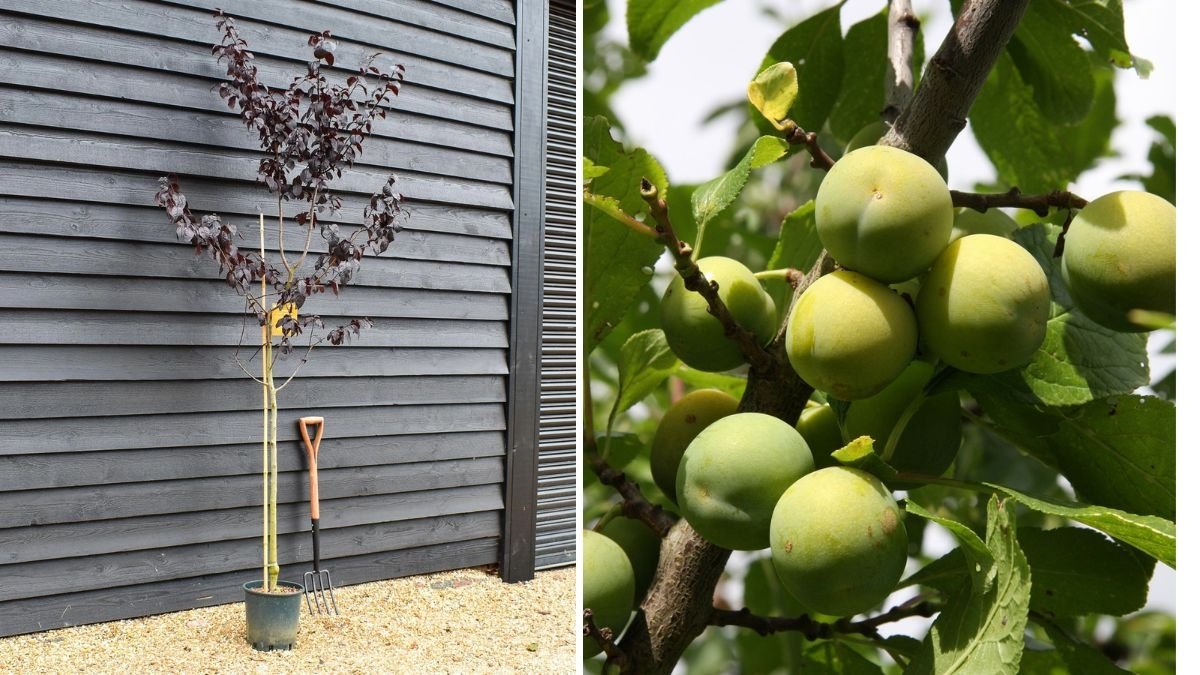
When it comes to homegrown fruit trees, few can compare to the heavenly sweetness and versatility of plums and greengages. These two stone fruits have delighted gardeners and fruit lovers for centuries, offering an unbeatable combination of flavor, aroma, and texture. Whether you’re growing them in a backyard orchard or simply want to savor their juicy, golden flesh, plums and greengages bring a touch of paradise to every garden.
Inspired by “Plum and Greengage Heaven,” this article explores everything you need to know about these luscious fruits—from their origins and unique characteristics to growing tips, care, and harvest secrets. By the end, you’ll understand why many gardeners call a fruiting plum or greengage tree heaven on earth.
The Beauty of Plums and Greengages
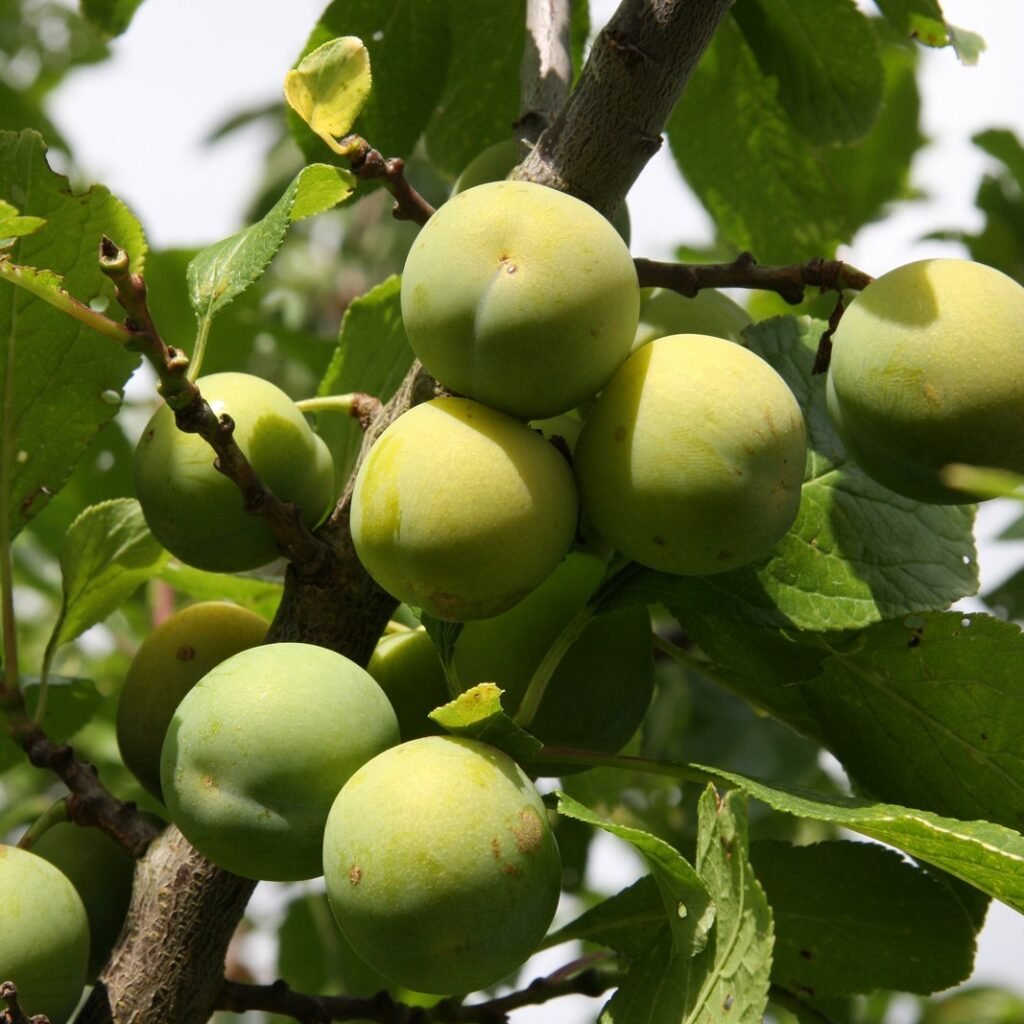
Plums and greengages belong to the same genus (Prunus), yet each offers something distinct. Plums come in a wide range of colors—from deep purples and reds to golden yellows—and flavors that range from tart to sweet. Greengages, on the other hand, are a type of European plum renowned for their honey-like sweetness, rich aroma, and delicate green skin.
A ripe plum bursts with juicy flavor, perfect for fresh eating, baking, or making jams. Greengages, smaller and rounder, offer a complex sweetness often compared to fine honey or tropical fruit. In fact, many consider greengages to be the finest dessert plums ever bred.
Together, they form a perfect harmony in the orchard—offering variety, beauty, and an extended fruiting season that turns your garden into a true fruit lover’s paradise.
A Brief History of These Heavenly Fruits
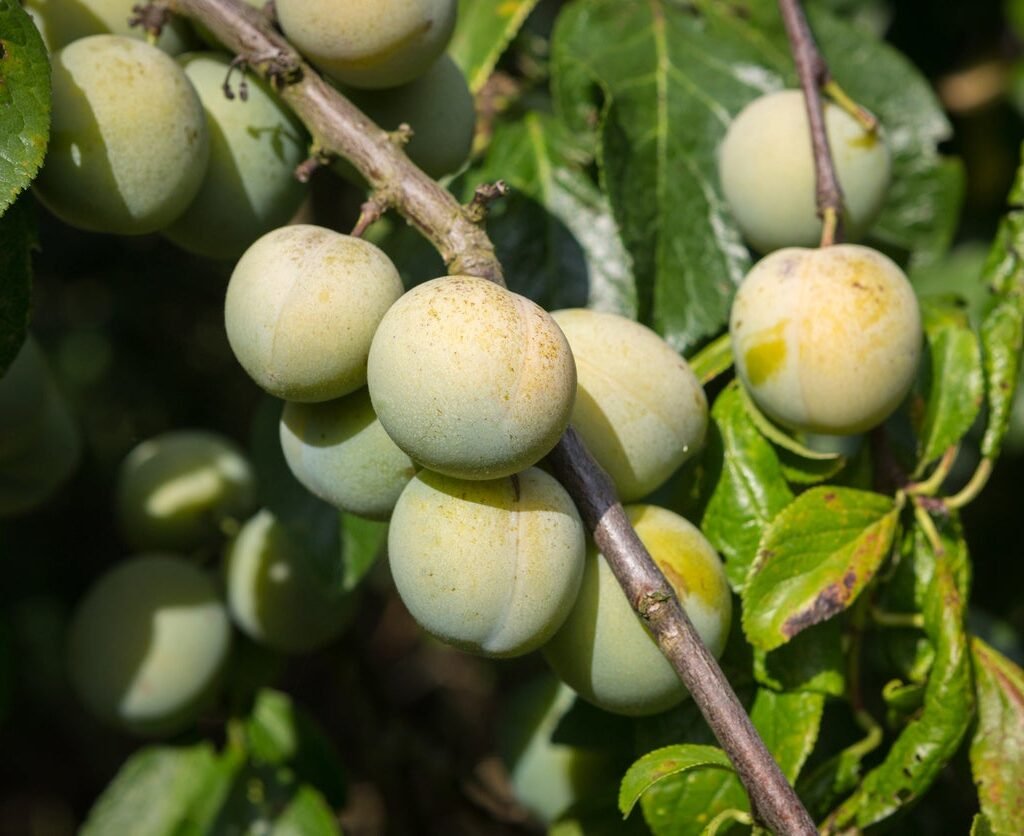
Plums have a long and storied history dating back thousands of years. They originated in Asia and Europe, with Japanese plums (Prunus salicina) and European plums (Prunus domestica) being the most widely grown today. These species were later brought to other parts of the world, including North America, where they flourished.
Greengages, meanwhile, trace their origins to the Middle East and Europe. The variety was introduced to France in the early 16th century by the Gage family, hence the name “greengage.” Since then, they’ve become beloved for their distinct flavor and rich, sugary sweetness.
Together, they represent centuries of careful cultivation and selection—each bite carrying the heritage of orchard traditions passed down through generations.
Popular Varieties to Try
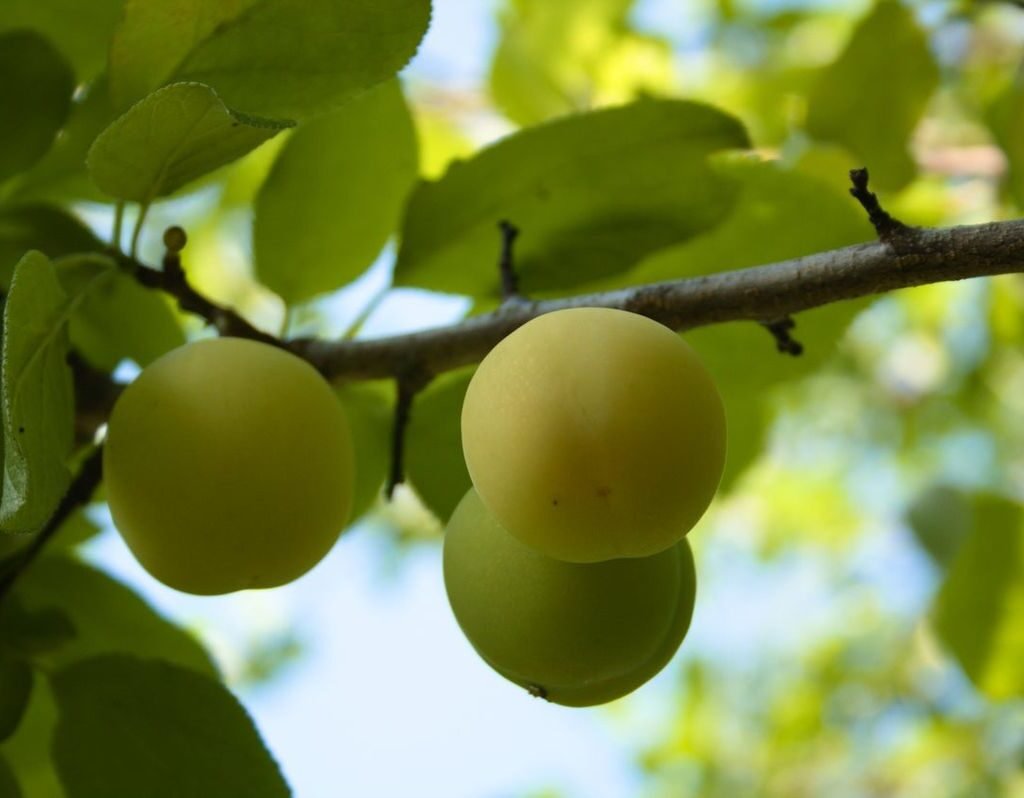
If you’re looking to create your own “plum and greengage heaven,” choosing the right varieties is essential. Here are some top performers loved by gardeners around the world:
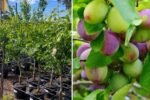
Best Plum Varieties:
- Victoria: Classic English variety with golden flesh and reddish-purple skin; excellent for eating and cooking.
- Santa Rosa: Japanese variety with juicy, aromatic flesh and a tangy-sweet flavor.
- Black Amber: Deep purple skin, golden flesh, and long storage life—known as the “King of Plums.”
- Methley: Early-ripening plum with sweet, red fruit and reliable yields.
- Mirabelle: Small, golden-yellow plums famous in France for preserves and desserts.
Top Greengage Varieties:
- Reine Claude d’Oullins: Vigorous tree producing large, sweet, golden-green fruits.
- Old Green Gage (Reine Claude Verte): The traditional variety, famed for its honey flavor.
- Cambridge Gage: Compact and highly productive with rich, aromatic fruit.
- Golden Gage: A yellow-skinned greengage with exceptional sweetness and juicy texture.
Planting a mix of plums and greengages not only extends your harvest season but also enhances pollination, as most varieties benefit from cross-pollination for higher yields.
How to Grow Plums and Greengages
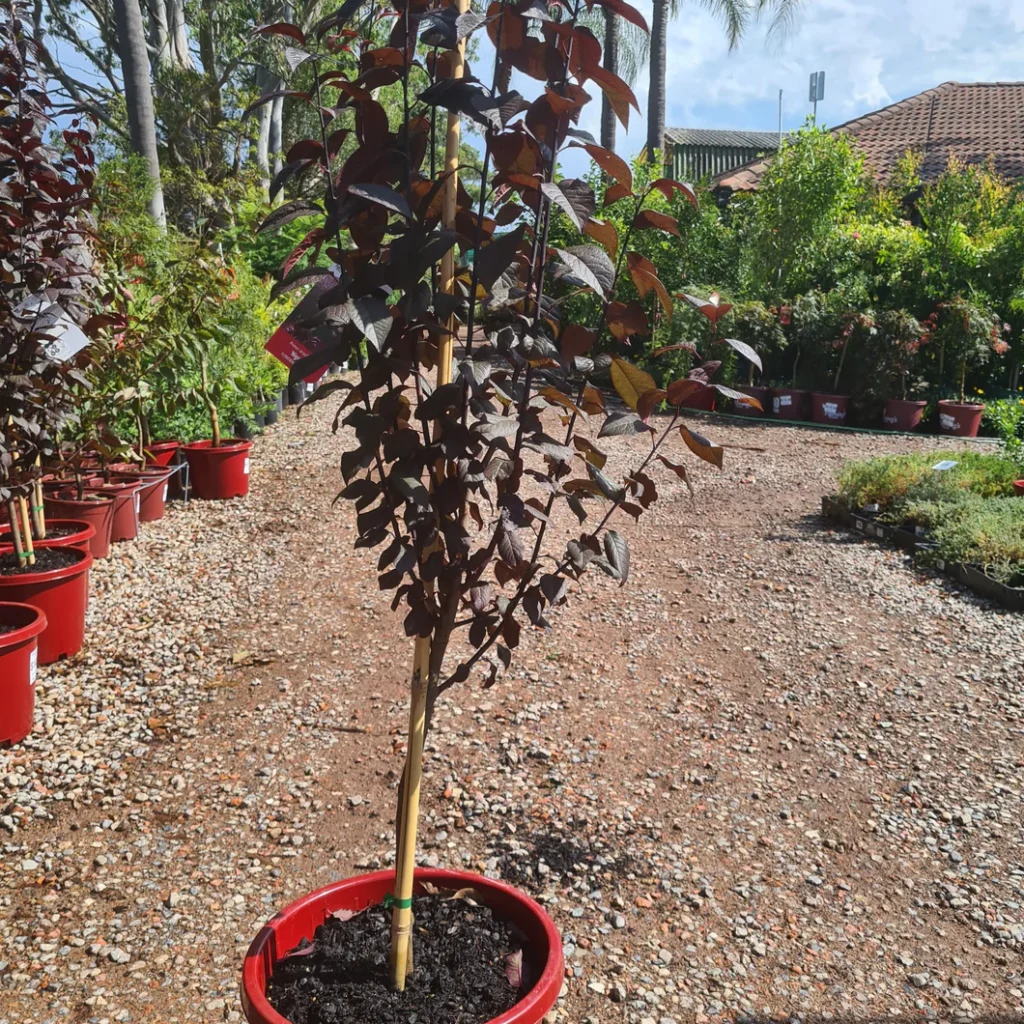
Growing these trees isn’t difficult, but they do reward attention and care. Follow these essential steps to ensure success in your orchard.
1. Choose the Right Location
Select a sunny, sheltered site with at least 6–8 hours of direct sunlight daily. Plums and greengages thrive in fertile, well-drained soil. Avoid waterlogged spots or areas prone to late frosts, as this can damage blossoms.
2. Soil Preparation
Before planting, enrich your soil with well-rotted compost or manure. A slightly acidic to neutral pH (around 6.0–7.0) is ideal. Good soil structure encourages strong root development and healthy fruiting.
3. Planting the Tree
Plant bare-root trees in late winter or early spring, or container-grown trees in spring or autumn. Dig a hole twice the width of the root ball but not too deep. Place the tree so that the graft union sits just above the soil level. Backfill gently and water thoroughly.
4. Spacing
Allow enough room for each tree to grow—typically 12–15 feet apart for standard trees, or 8–10 feet for dwarf varieties. Adequate spacing ensures good airflow and sunlight penetration, reducing disease risk.
Caring for Your Plum and Greengage Trees
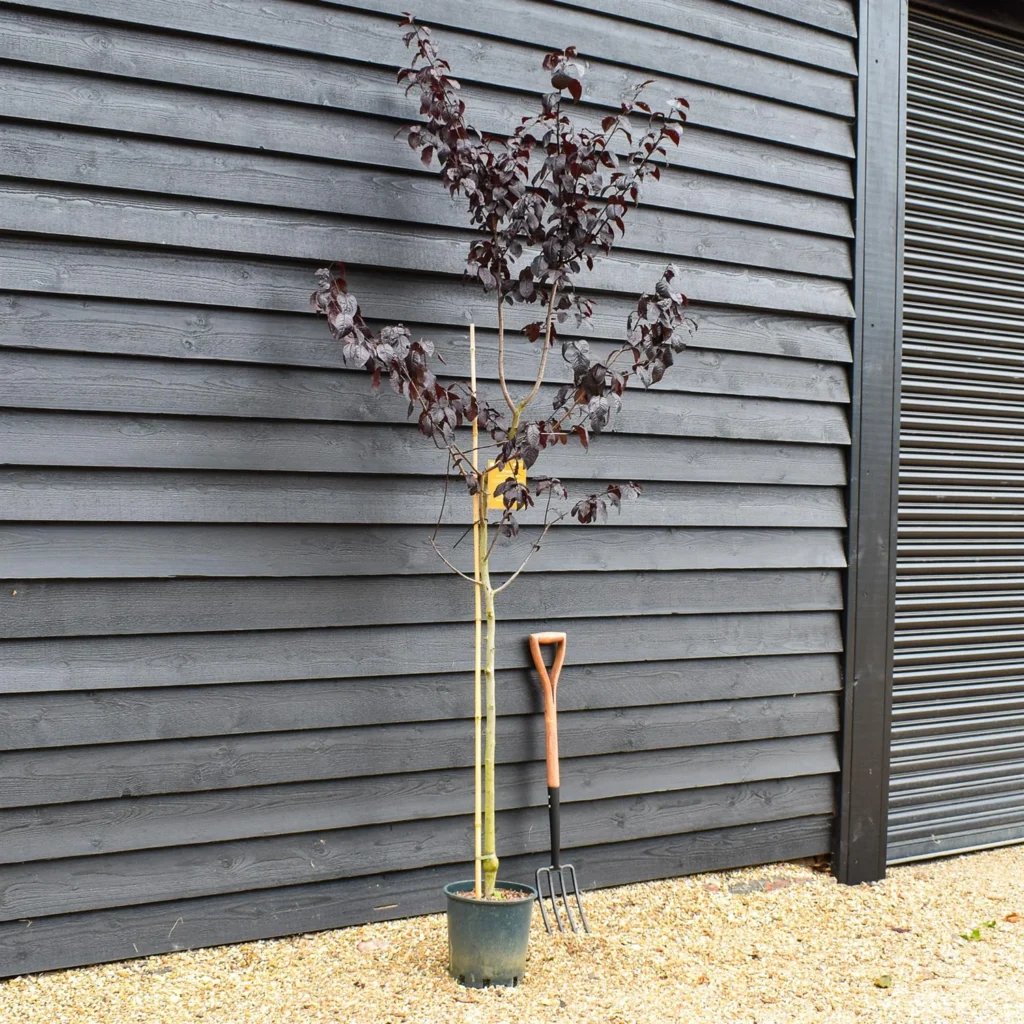
Watering:
Water deeply once a week during dry spells, especially in the first two years after planting. Plums and greengages prefer moist but not waterlogged soil. Mulch around the base to retain moisture and suppress weeds.
Fertilizing:
Feed annually in early spring with a balanced fertilizer or organic compost. Avoid excessive nitrogen, which can encourage leafy growth at the expense of fruiting.
Pruning:
Prune plums and greengages in summer (not winter) to reduce the risk of diseases like silver leaf. Remove dead, crossing, or overcrowded branches and maintain an open shape to improve light and airflow.
Pollination:
Many varieties are partially self-fertile but produce better with a compatible pollinator nearby. Check which varieties bloom at the same time to ensure successful pollination. Bees are your best allies here—avoid spraying chemicals during bloom season.
Pest and Disease Management:
Watch out for aphids, plum sawfly, and brown rot. Regular pruning, garden hygiene, and organic sprays like neem oil or copper fungicide can keep most issues under control. Fallen fruit and leaves should be removed promptly to prevent fungal buildup.
Flowering and Fruit Development
In early spring, plum and greengage trees burst into life with clouds of fragrant white blossoms. These flowers attract bees, which pollinate the blooms and ensure good fruit set.
Over the next few months, tiny green fruits appear, gradually swelling and changing color as summer progresses. Greengages retain their light green or golden hue even when ripe, while plums turn rich shades of red, purple, or yellow.
By midsummer to early autumn, the fruits are ready for harvest—each one a sun-ripened treasure of sweetness.
Harvesting and Storing
The best part of growing plums and greengages is, of course, the harvest. Timing is key to capturing their peak flavor.
Signs of ripeness:
- The fruit feels slightly soft when gently pressed.
- Color deepens (for plums) or turns golden-green (for greengages).
- The fruit releases easily from the branch with a gentle twist.
Pick carefully to avoid bruising. Freshly harvested fruit can be enjoyed right away or stored in the refrigerator for up to two weeks.
For longer preservation, consider making jams, jellies, or chutneys. Both plums and greengages are excellent for canning and freezing. Their high natural sugar content also makes them perfect for dehydrating into healthy fruit snacks.

Enjoying the Fruits of Heaven
Few fruits rival the versatility of plums and greengages. Here are some delicious ways to enjoy your harvest:
- Fresh Eating: Simply wash and bite in—perfectly juicy and sweet.
- Jams and Preserves: Greengage jam is legendary for its golden color and intense sweetness.
- Desserts: Use in pies, crumbles, tarts, or cakes.
- Savory Dishes: Pair with pork, duck, or cheese for a rich contrast.
- Drinks: Turn your fruit into homemade liqueurs, syrups, or juices.
Nothing compares to tasting a sun-warmed plum or greengage straight from your own tree—an unforgettable burst of nature’s finest flavors.
Why Every Gardener Should Grow Plums and Greengages
There’s a reason plum and greengage trees have been treasured for centuries. They’re beautiful in bloom, generous in yield, and offer some of the most delicious fruits you’ll ever taste.
Here’s why they deserve a place in your garden:
- Versatile and Productive: Perfect for eating, preserving, or baking.
- Compact and Attractive: Suitable for small gardens and orchards.
- Pollinator-Friendly: Spring blossoms attract bees and beneficial insects.
- Long Harvest Season: Grow multiple varieties for continuous fruiting.
- Rich in Nutrients: Packed with vitamins, minerals, and antioxidants.
These trees don’t just give you fruit—they give you beauty, fragrance, and a connection to nature that’s truly fulfilling.
Final Thoughts: Your Slice of Plum and Greengage Heaven
Creating your own “Plum and Greengage Heaven” is easier than you might think. With the right care and a bit of patience, these trees will reward you year after year with fragrant blossoms, buzzing pollinators, and branches laden with juicy, sun-kissed fruit.
Whether you’re growing the rich purple Santa Rosa plum or the golden-green Cambridge Gage, each harvest brings a taste of pure sweetness that feels like nature’s gift. In every bite, you’ll experience the joy of growing, nurturing, and tasting something truly heavenly.
So, if you’re dreaming of a home orchard that offers beauty, abundance, and flavor, look no further—plums and greengages are your ticket to fruit-growing paradise.

Leave A Comment