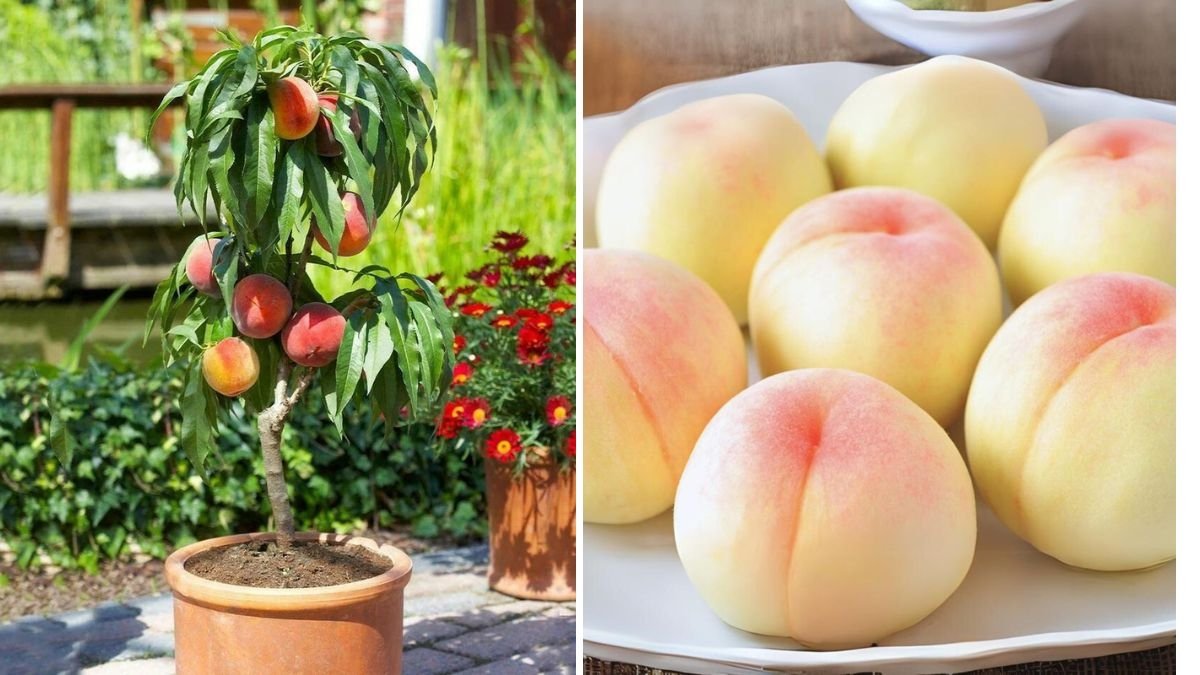
Growing your own fruit tree is a rewarding experience, but harvesting your very first white peach — that’s pure magic. White peaches are known for their stunning blush-pink skins, delicate fragrance, and irresistibly sweet flavor. Unlike their yellow counterparts, white peaches are lower in acid, making their taste smoother and more floral. In this blog, we’ll explore the entire journey — from planting and caring for a white peach tree to that exciting first harvest. Whether you’re an orchard enthusiast or a home gardener, you’ll find inspiration and practical tips to grow your own “amazing white peach.”
The Charm of White Peaches
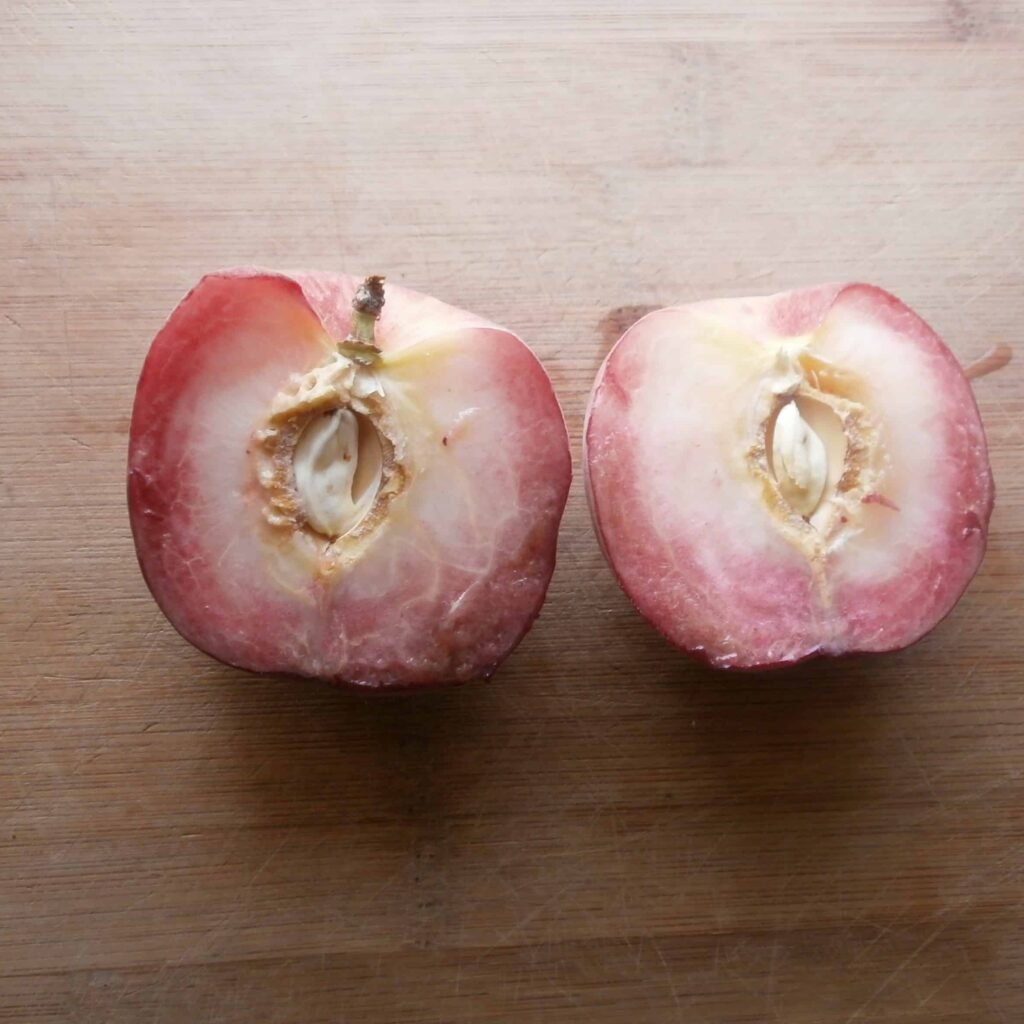
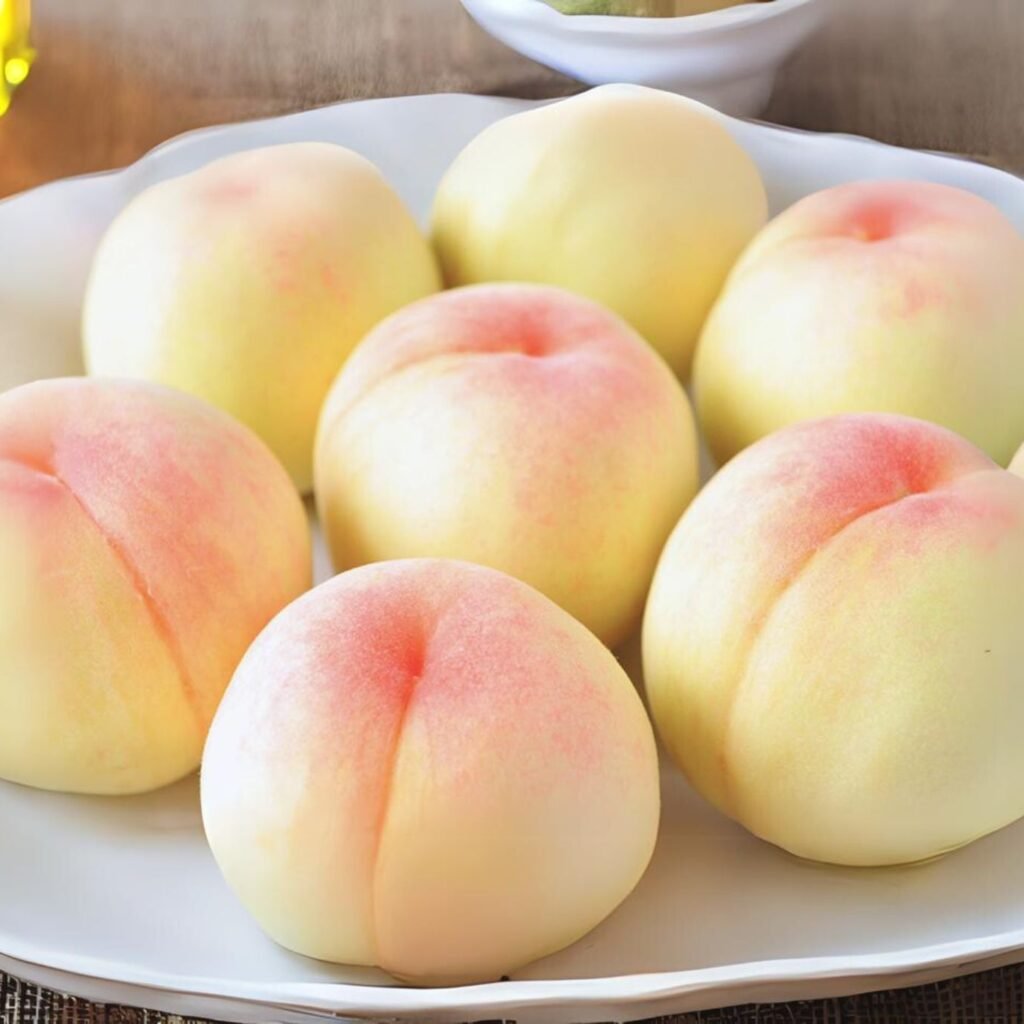
White peaches (Prunus persica) have long been prized in Asia for their fragrant aroma and tender, juicy flesh. Their creamy white interior and blushed skin make them a beautiful sight in any fruit bowl or orchard. What sets them apart is their unique balance of sugar and low acidity — they offer a honey-like sweetness without the tangy bite found in yellow peaches.
They’re perfect for fresh eating, desserts, or even chilled peach salads. Once you’ve tasted a homegrown white peach, it’s hard to go back to store-bought ones.
Choosing the Right Variety
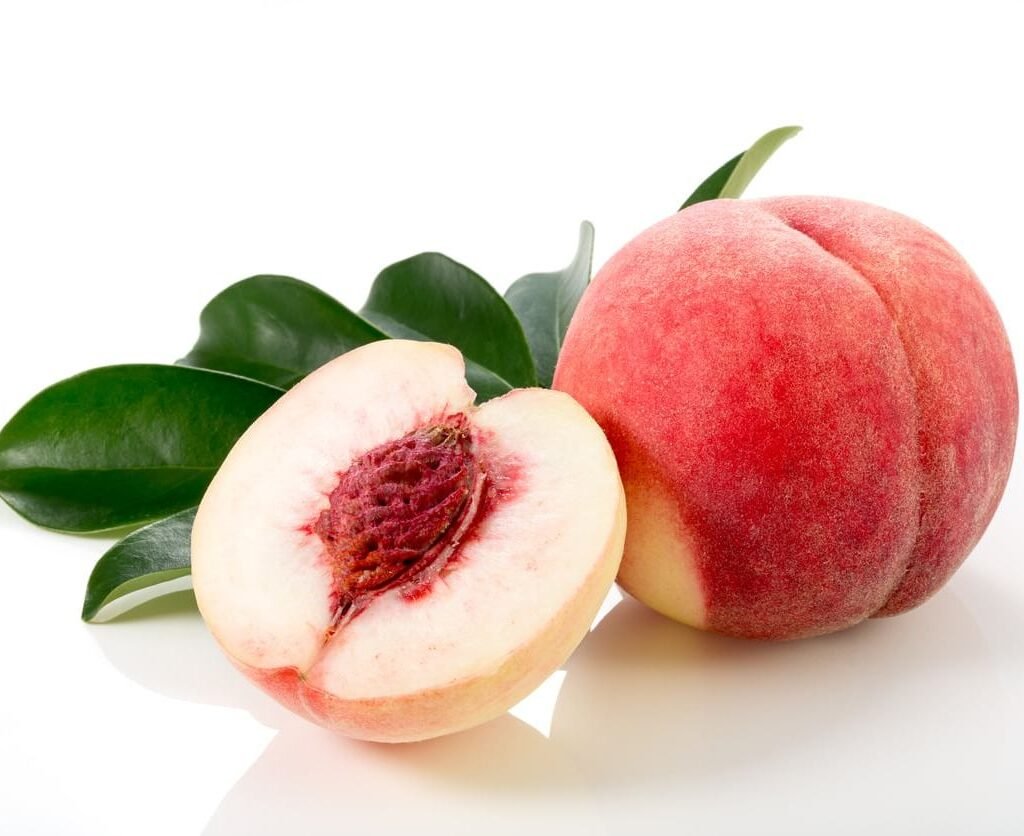
Before diving into your white peach adventure, selecting the right variety for your climate is essential. Some popular choices include:
- White Lady: Known for its juicy, sweet flavor and resistance to bruising.
- Arctic Supreme: A high-chill variety that produces large, richly flavored peaches.
- Babcock: A classic white peach variety that performs well in warm climates.
- Sugar Giant: Produces large, firm fruit with an intense sweetness.
- Saturn (Donut Peach): Small, flat, and packed with sweetness — ideal for home gardens.
Each variety has its own charm, but all share that signature white flesh and fragrant taste that white peach lovers adore.
Planting and Soil Preparation
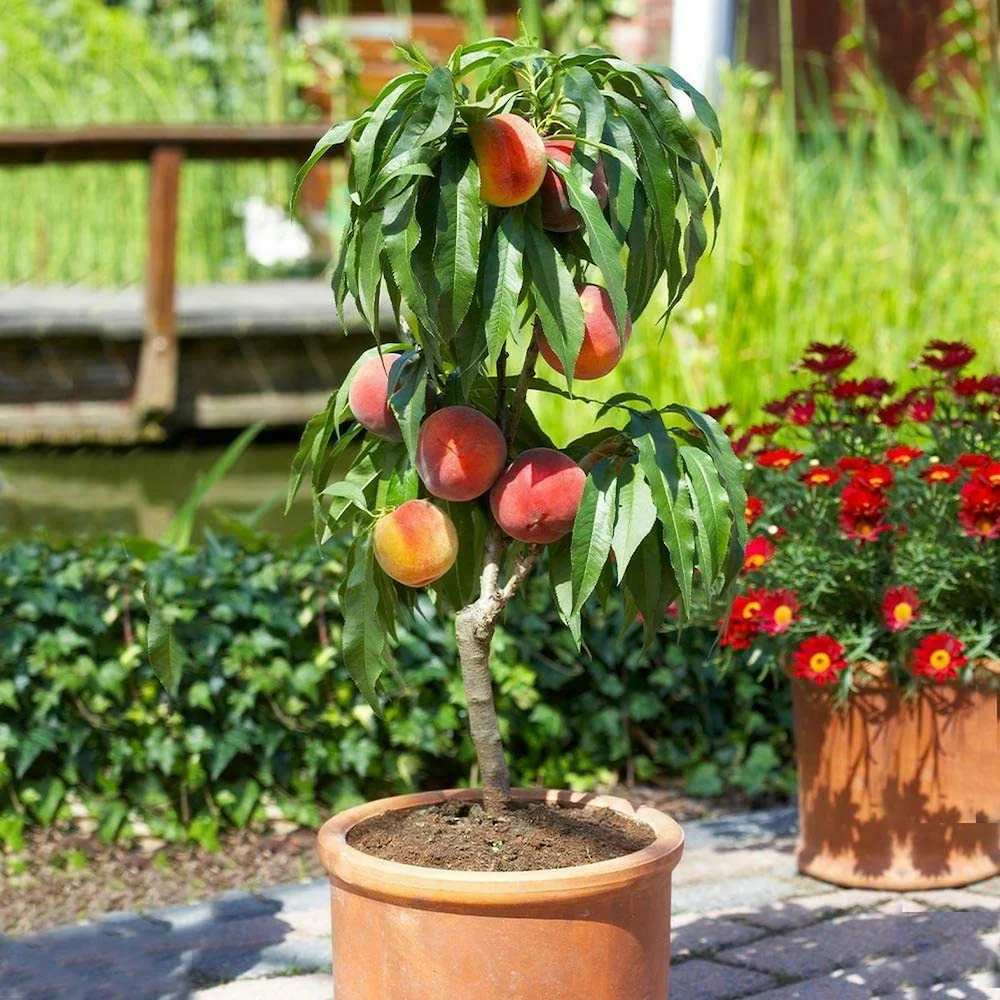
To grow your first white peach successfully, start with the right foundation.
1. Location:
Choose a sunny spot — at least 6 to 8 hours of direct sunlight daily. Peaches love warmth, and sunlight is key to fruit sweetness and healthy growth.
2. Soil:
White peaches thrive in well-draining, loamy soil with a pH between 6.0 and 7.0. Avoid waterlogged areas, as peach roots are sensitive to excess moisture.
3. Planting:
- Dig a hole about twice the width of the root ball and just as deep.
- Mix compost or well-rotted manure into the soil to enhance fertility.
- Place the tree in the hole so the graft union (the swollen area near the base of the trunk) stays above the soil line.
- Backfill gently and water thoroughly.
If planting multiple trees, keep at least 15–20 feet of spacing between them to allow good airflow and sunlight penetration.
Caring for Your Tree: Watering, Feeding, and Pruning
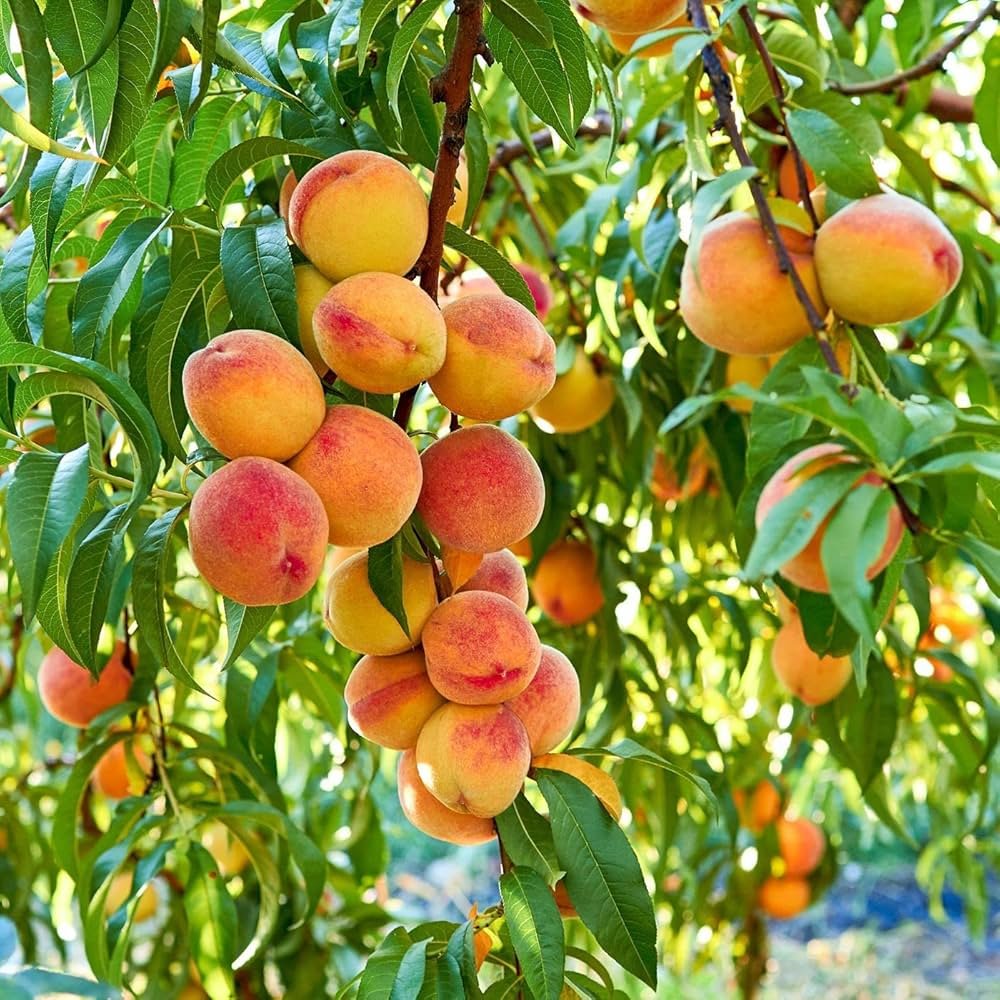
Your white peach tree will need consistent care to thrive and produce that “amazing” first harvest.
Watering:
Newly planted trees should be watered deeply once or twice a week. Mature trees benefit from deep watering during dry spells, especially during fruit development. Avoid shallow, frequent watering as it encourages weak roots.
Feeding:
Fertilize your tree in early spring and mid-summer with a balanced fertilizer (10-10-10 NPK). You can also use organic compost or aged manure to enrich the soil naturally.
Pruning:
Pruning is crucial for maintaining tree shape, promoting airflow, and encouraging fruiting.
- Prune during the dormant season (late winter).
- Remove dead or crossing branches and open up the canopy to sunlight.
- Thin the fruit when they are about the size of marbles, leaving 6–8 inches between peaches. This ensures larger, juicier fruit.
Pollination and Flowering
Most white peach trees are self-pollinating, meaning they can bear fruit without another tree nearby. However, having multiple trees can increase fruit yield.
In early spring, the tree bursts into a beautiful display of pink blossoms — a sight that signals the promise of fruit to come. Bees play a vital role in pollination, so having pollinator-friendly plants nearby will help your peaches flourish.
Protecting Your Tree from Pests and Diseases
Peach trees can face a few common challenges, but with preventive care, they can stay healthy.
Common Pests:
- Aphids: Cause curling leaves; control them with neem oil or insecticidal soap.
- Peach tree borers: Tunnel into the trunk; protect by wrapping the base with tree guards.
- Fruit moths: Lay eggs on fruit; use pheromone traps or sticky bands.
Common Diseases:
- Peach leaf curl: Causes distorted red leaves; treat with dormant oil spray before buds open.
- Brown rot: Fungal infection affecting fruit; prune affected areas and improve airflow.
Practicing good orchard hygiene — removing fallen leaves and fruit — helps minimize disease spread.
The Journey to the First White Peach
Patience is key when growing peaches. Most trees begin fruiting in their third year, though some grafted varieties may produce sooner.
In the first year, focus on root and branch development. By the second year, you may notice a few blossoms — a sign your tree is maturing. Then comes that exciting summer when the first white peach ripens on the branch, glistening in the sunlight with a blush of pink.
The anticipation of that first bite makes all the effort worthwhile.
Harvesting Your White Peaches
White peaches are typically ready for harvest between late June and early August, depending on the variety and your climate.
How to tell when they’re ready:
- The background skin color turns from green to creamy white or light yellow.
- The fruit gives slightly when gently pressed near the stem.
- A rich, floral fragrance fills the air around the tree.
Handle peaches carefully when harvesting, as they bruise easily. Twist gently or use pruning shears to cut them from the branch.
Savoring the First Amazing White Peach
There’s something truly special about that first homegrown white peach. Its delicate sweetness and floral aroma are incomparable to store-bought fruit. Bite into one, and you’ll experience a burst of honeyed juice that tells a story of patience, care, and connection to nature.

Freshly picked white peaches can be enjoyed in countless ways:
- Fresh: Simply sliced and eaten as a refreshing summer treat.
- Desserts: Use them in pies, cobblers, or tarts.
- Smoothies: Blend with yogurt or milk for a creamy, fruity drink.
- Preserves: Make peach jam or jelly to enjoy the flavor year-round.
To store, refrigerate ripe peaches for up to a week, but for the best flavor, eat them at room temperature.
Growing Tips for Continued Success
Once your first harvest is complete, your journey doesn’t end — it’s only the beginning. Keep nurturing your tree for bigger and sweeter harvests in the coming years.
- Mulch annually to retain moisture and suppress weeds.
- Fertilize regularly for consistent fruiting.
- Thin the fruit every year to improve quality and reduce stress on the tree.
- Prune yearly to maintain size and promote healthy growth.
As your white peach tree matures, it will reward you with abundant fruit and stunning spring blossoms year after year.
Conclusion: The Joy of Growing White Peaches
From a small sapling to a tree heavy with delicious fruit, growing white peaches is an experience filled with anticipation, care, and joy. Your first white peach is more than just a fruit — it’s a milestone that celebrates patience and the harmony between gardener and nature.
So if you’ve been dreaming about growing something special in your garden, let it be the white peach. With a little love and attention, your first “amazing white peach” will be just the beginning of many sweet harvests to come.

Leave A Comment