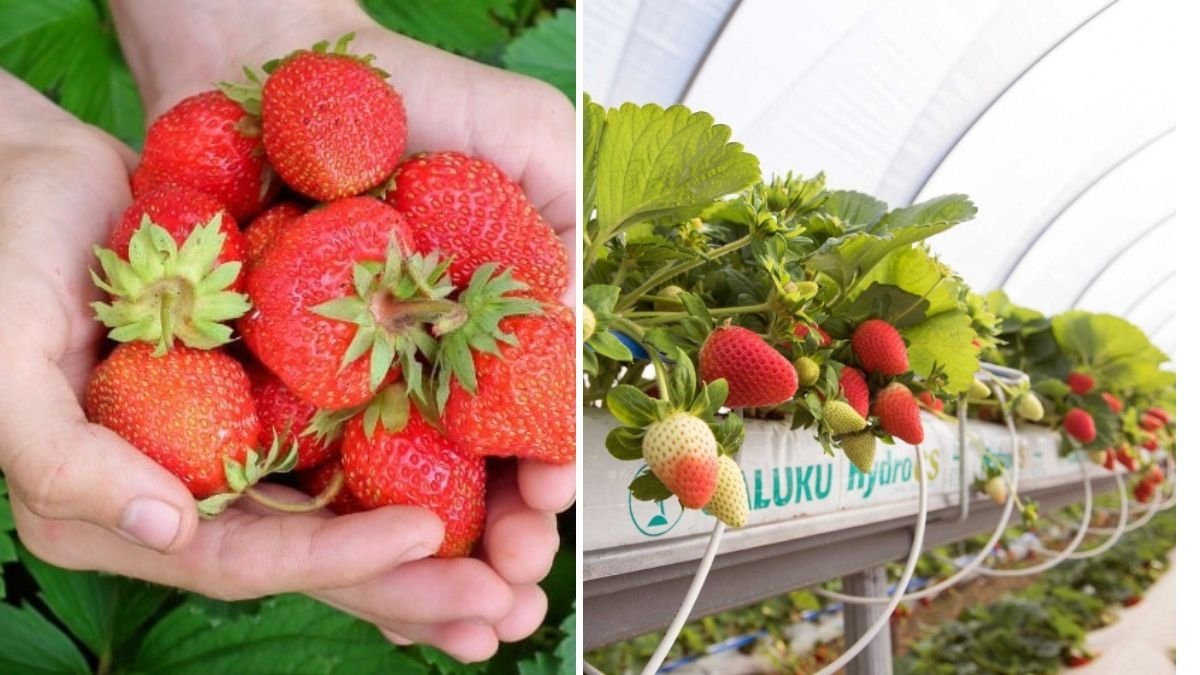
If you’re looking for a flavorful, everbearing strawberry variety that produces sweet, juicy berries throughout the growing season, Seascape strawberries should be at the top of your list. Known for their high yield, adaptability, and rich taste, these plants are a favorite among both home gardeners and commercial growers. Whether you’re growing strawberries in containers, raised beds, or garden soil, Seascape strawberries thrive with just a bit of care and the right growing conditions.
This complete guide will walk you through everything you need to know about growing Seascape strawberries successfully — from choosing the right location and planting techniques to caring for your plants and harvesting the delicious fruit.
What Makes Seascape Strawberries Special?
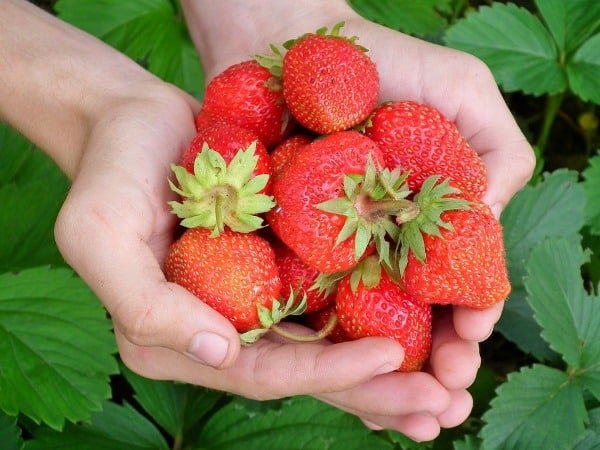
Developed by the University of California, Seascape strawberries are day-neutral, meaning they don’t rely on day length to produce fruit. Unlike June-bearing varieties that produce one large crop per year, Seascape strawberries continuously flower and fruit from spring through fall, and even year-round in mild climates.
Here’s why gardeners love Seascape strawberries:
- Everbearing variety – continuous production throughout the season.
- Large, sweet berries with firm texture and excellent flavor.
- High tolerance to heat and disease.
- Perfect for container growing and small gardens.
- Great for fresh eating, desserts, and preserves.
If you’ve struggled with other strawberry varieties or live in a warmer region, Seascape is an excellent choice due to its adaptability and resilience.
Choosing the Right Growing Conditions
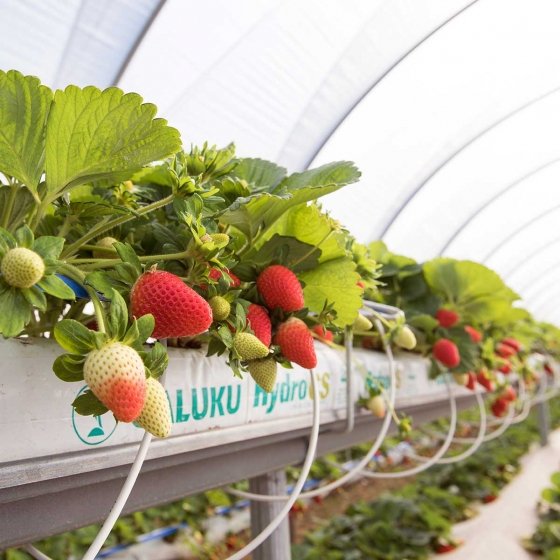
Like all strawberries, Seascape plants thrive in full sunlight and well-draining soil. To get the best results, keep the following factors in mind:
1. Sunlight:
Seascape strawberries need at least 6–8 hours of direct sunlight per day. The more light they get, the sweeter and larger your berries will be.
2. Soil Type:
They prefer loamy, fertile soil with good drainage. Avoid heavy clay soil that retains too much water. If your garden soil isn’t ideal, consider raised beds or large containers.
3. Soil pH:
Keep the soil slightly acidic — between pH 5.5 and 6.5. You can use a soil test kit to check and amend your soil with sulfur or compost as needed.
4. Temperature:
Seascape strawberries grow well in mild to warm climates. They perform exceptionally in regions where summer temperatures don’t exceed 85°F (29°C) for long periods.
Planting Seascape Strawberries
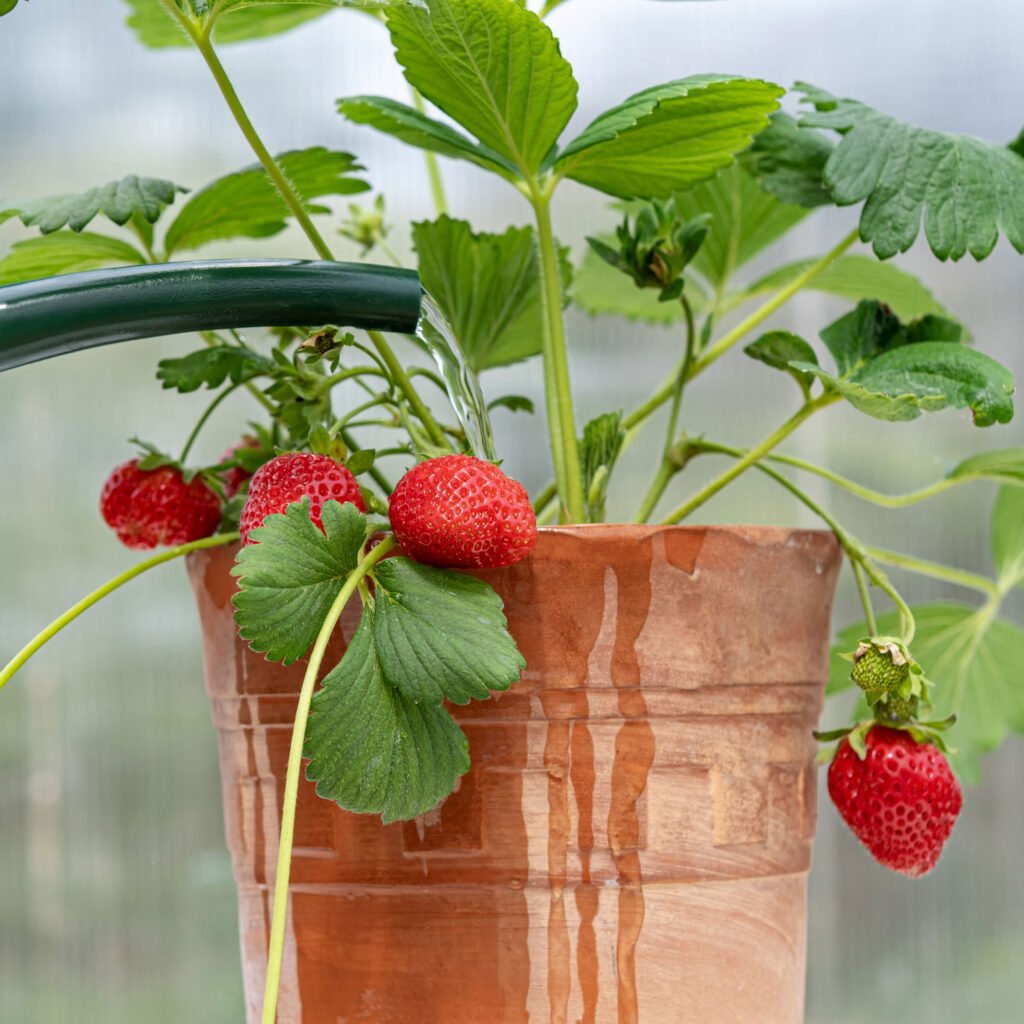
Whether you’re planting in-ground or in containers, preparation is key.
1. When to Plant:
The best time to plant Seascape strawberries is early spring once the soil warms and frost risk has passed. In milder climates, you can even plant them in fall for an early start next season.
2. Planting Bare Root or Potted Plants:
- If planting bare-root plants, soak the roots in water for 30 minutes before planting.
- If using potted plants, gently remove them from their containers and loosen the roots slightly.
3. Spacing:
Space plants 12–18 inches apart in rows about 2 feet apart. Strawberries need airflow to prevent fungal issues.
4. Planting Depth:
Make sure the crown (where the leaves meet the roots) sits just above the soil surface. If it’s buried too deep, the plant may rot; if it’s too high, the roots can dry out.
Caring for Seascape Strawberries
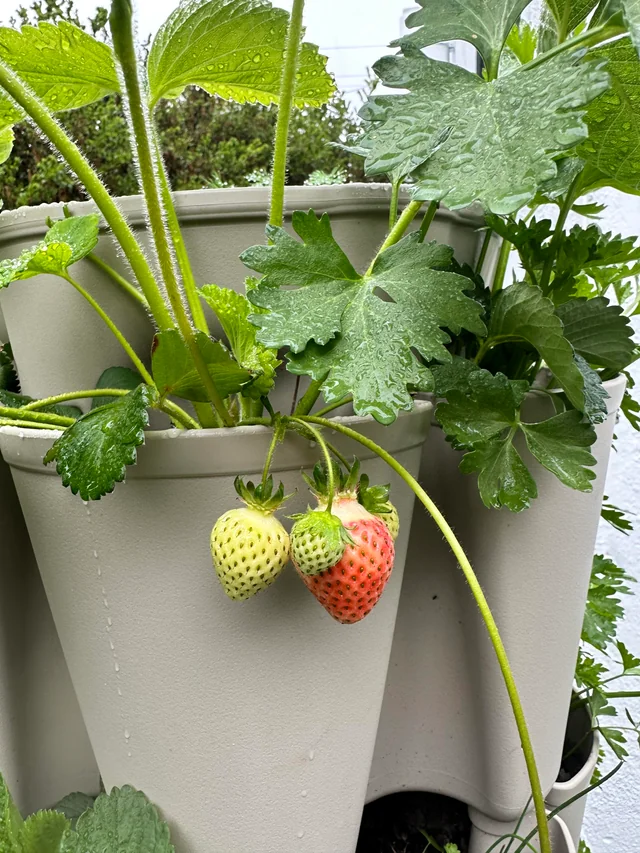
Proper care is essential to ensure steady growth and maximum yields.
1. Watering
Strawberries love consistent moisture but dislike soggy soil. Water deeply once or twice a week depending on the weather. Aim to keep the soil evenly moist but not waterlogged. Drip irrigation or a soaker hose works best to prevent fungal problems caused by wet foliage.
2. Mulching
Add a layer of straw, pine needles, or shredded leaves around your plants to retain soil moisture, suppress weeds, and keep the berries clean. Mulch also helps regulate soil temperature.
3. Fertilizing
Feed your Seascape strawberries regularly:
- Apply a balanced fertilizer (10-10-10) at planting time.
- Once flowering starts, switch to a high-potassium fertilizer to promote fruiting.
- Avoid excessive nitrogen — it encourages leafy growth instead of fruit.
4. Pruning and Maintenance
- Remove any flowers that appear during the first few weeks after planting to help the plant establish a strong root system.
- Trim off old, yellow leaves and runners (unless you want to propagate new plants).
- Keep the area weed-free to reduce competition for nutrients.
5. Pest and Disease Control
Seascape strawberries are relatively disease-resistant but still vulnerable to common issues like aphids, spider mites, and fungal infections.
- Spray neem oil or insecticidal soap for pests.
- Ensure good airflow and avoid overhead watering to prevent powdery mildew.
- Rotate crops yearly to reduce soil-borne diseases.
Growing Seascape Strawberries in Containers
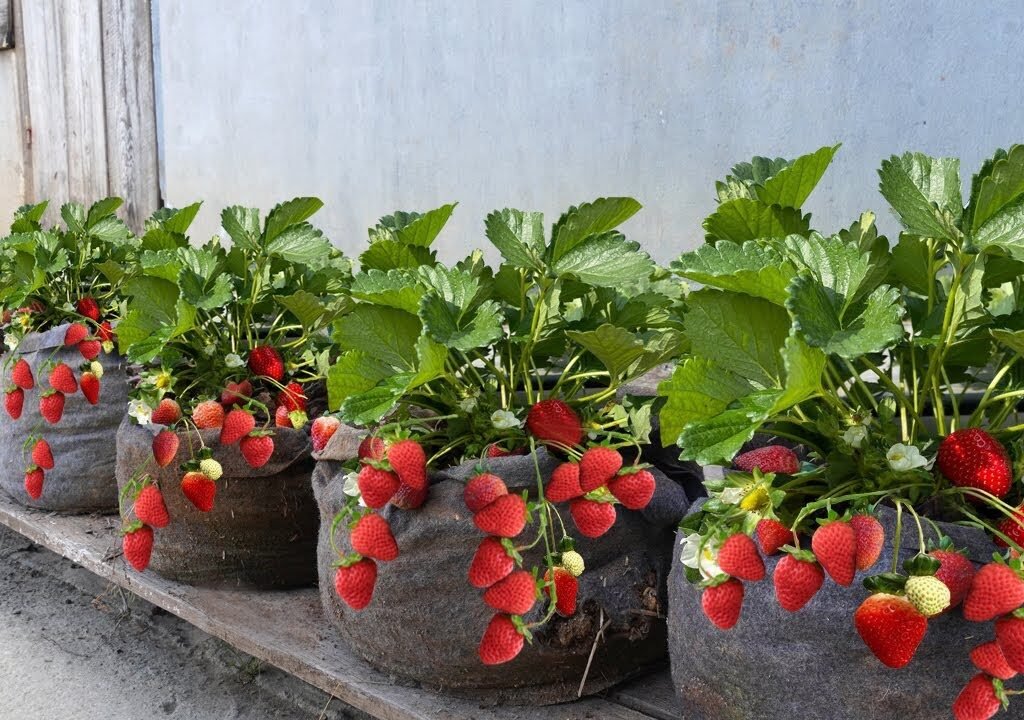
If space is limited, Seascape strawberries grow beautifully in pots, hanging baskets, or vertical towers.
Container Tips:
- Choose a container at least 12 inches wide and deep.
- Use high-quality potting mix with compost for fertility and drainage.
- Water regularly since containers dry out faster than garden soil.
- Fertilize monthly with a liquid organic feed.
Container-grown Seascape strawberries not only look attractive but also make harvesting easier — perfect for patios, balconies, or small backyards.
Propagation and Runners
One of the best things about Seascape strawberries is their ability to multiply. They send out runners (long stems with baby plants at the ends). To propagate:
- Choose a healthy runner with a small plantlet.
- Pin it down in a small pot filled with soil while still attached to the mother plant.
- Once roots form (in 2–3 weeks), snip it off and transplant it elsewhere.
This way, you can expand your strawberry patch every season without buying new plants.
Harvesting and Enjoying Seascape Strawberries
The real reward comes when you start harvesting!
When to Harvest:
Seascape strawberries are ready to pick about 4–6 weeks after flowering. Harvest when the berries are fully red and fragrant — they won’t ripen much after picking.
How to Harvest:
- Gently twist the berries off with the green cap (calyx) still attached.
- Avoid pulling or tugging, which can damage the plant.
- Harvest every few days during peak season to encourage more fruiting.
Storing:
Freshly picked Seascape strawberries are best enjoyed immediately but can be refrigerated for 2–3 days. You can also freeze them for smoothies, jams, or baking.
Common Problems and Solutions
1. Small or misshapen berries:
Usually caused by irregular watering or poor pollination. Keep soil evenly moist and encourage bees by planting flowers nearby.

2. Yellow leaves:
Often a sign of nutrient deficiency — apply a balanced fertilizer or compost tea.
3. Runners taking over:
Cut excess runners to redirect energy toward fruit production.
4. Birds stealing fruit:
Use netting or floating row covers to protect ripening berries.
Final Thoughts
Seascape strawberries are one of the most rewarding fruits you can grow at home. They combine consistent yields, low maintenance, and delicious flavor in one compact plant. With a little attention to soil, sunlight, and watering, you’ll enjoy bowl after bowl of sweet, sun-ripened strawberries straight from your garden.
Whether you grow them in your backyard, balcony pots, or raised beds, Seascape strawberries prove that you don’t need acres of farmland to enjoy homegrown fruit — just the right care and a bit of love for gardening.
Start planting Seascape strawberries today, and enjoy the taste of summer for months on end!

Leave A Comment