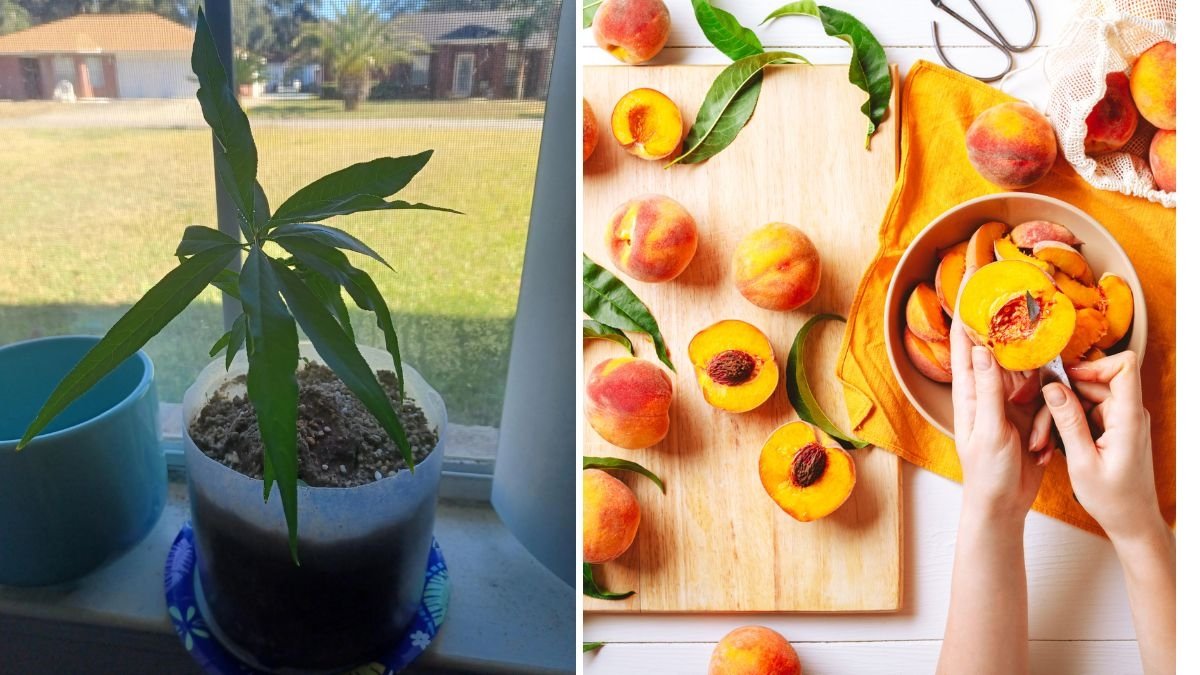
Few things in gardening are more satisfying than watching a tiny seed transform into a thriving tree—especially when that tree produces juicy, golden peaches. Growing yellow peach trees from seed is not just a fun experiment; it’s a hands-on way to experience nature’s incredible cycle of life. Even though most store-bought peaches are grown from grafted trees, sprouting your own from seed offers a unique sense of accomplishment and connection to your garden.
Inspired by “Update on Yellow Peach Trees Germinated from Seed,” this guide will take you through every step of the process—from germination and seedling care to transplanting, growing, and what to expect as your tree matures. Whether you’re nurturing a single sprout in a pot or planning your own mini orchard, you’ll find this journey both rewarding and educational.
Understanding the Beauty of Yellow Peach Trees
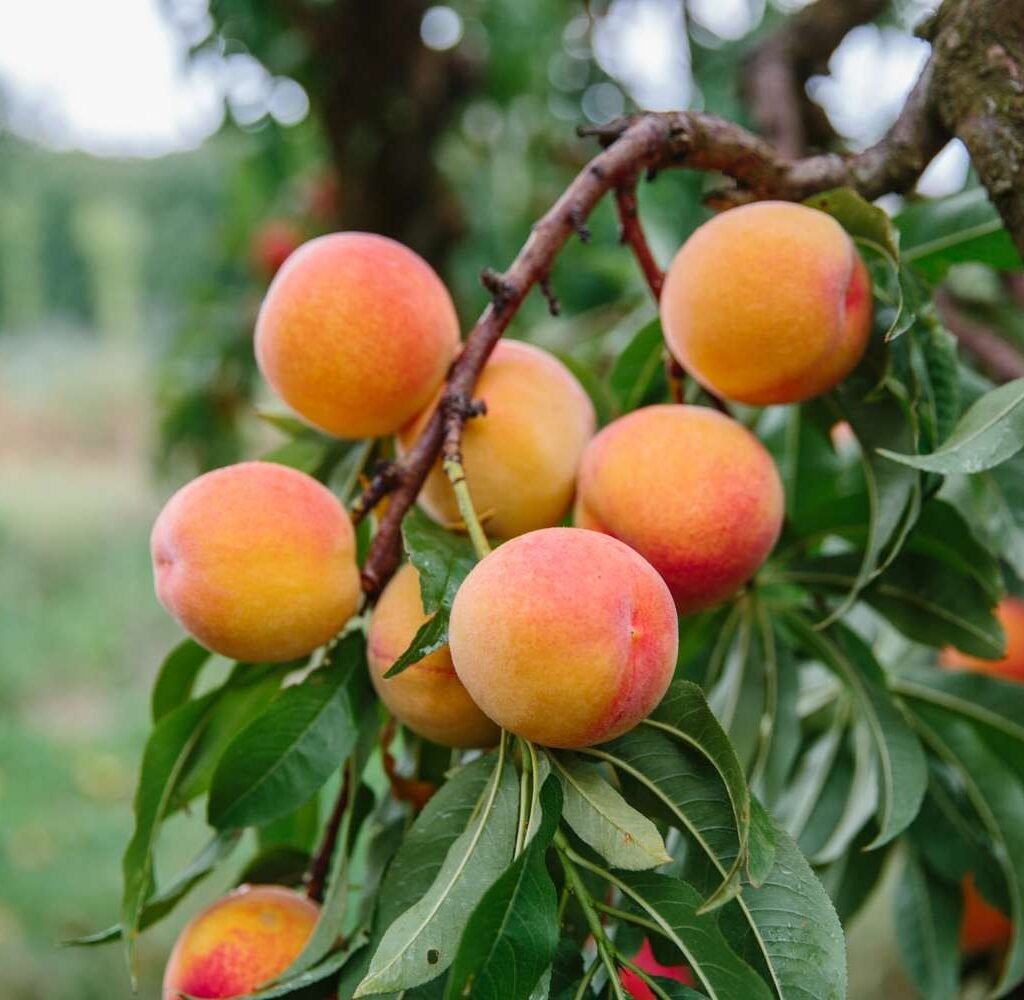
Yellow peach trees (Prunus persica) are prized for their delicious fruit, stunning spring blossoms, and lush green foliage. The fruits are known for their deep golden flesh, aromatic flavor, and perfect balance of sweetness and tanginess.
Peaches have been cultivated for over 4,000 years, originally from China, and are now beloved worldwide. While commercial growers rely on grafted trees for consistency, home gardeners often enjoy the thrill of growing their own trees from seed—a process full of surprises and joy.
When you grow a peach tree from seed, you may not get an exact copy of the parent fruit. Instead, you’re cultivating a new, genetically unique tree—one that could yield surprisingly delicious results.
Collecting and Preparing Peach Seeds
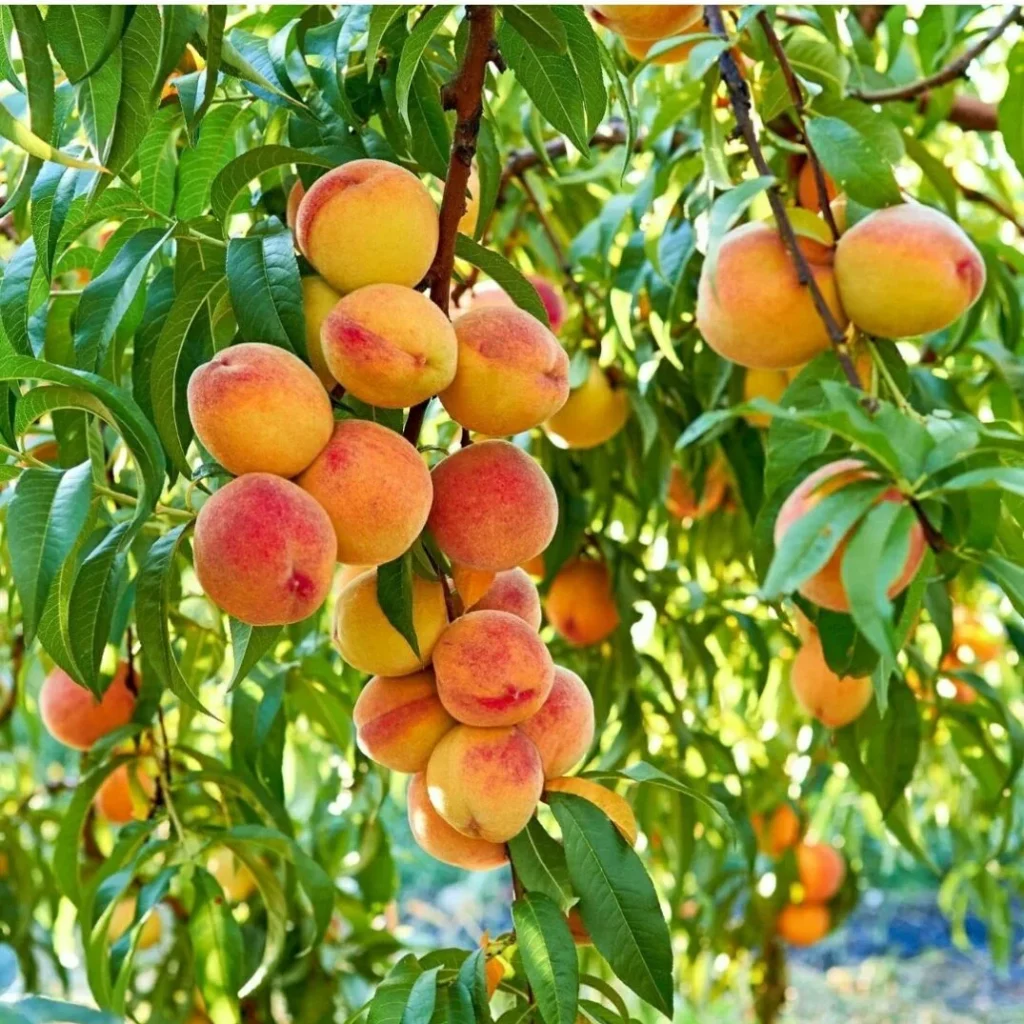
If you want to germinate your own yellow peach seeds, start with fresh, ripe fruit. Choose peaches from a local farmer’s market or a tree known to produce tasty fruit. Avoid store-bought peaches treated with chemicals, as these can reduce germination rates.
Here’s how to prepare the seeds:
- Clean the Pit:
After eating the peach, rinse off any remaining flesh and let the pit dry for a few days. - Extract the Kernel:
Carefully crack open the hard outer shell using a nutcracker or hammer to reveal the almond-like seed inside. Be gentle—damaging the kernel can ruin its viability. - Cold Stratification:
Peach seeds need a period of cold dormancy (called stratification) to trigger germination.- Wrap the cleaned kernels in a damp paper towel.
- Place them in a sealed plastic bag.
- Refrigerate for 8–12 weeks at around 3–5°C (37–41°F).
Check occasionally to make sure the towel remains slightly moist but not soggy.
After this chilling period, you may notice small roots emerging from the seeds—this is your cue to plant them.
Planting and Germination
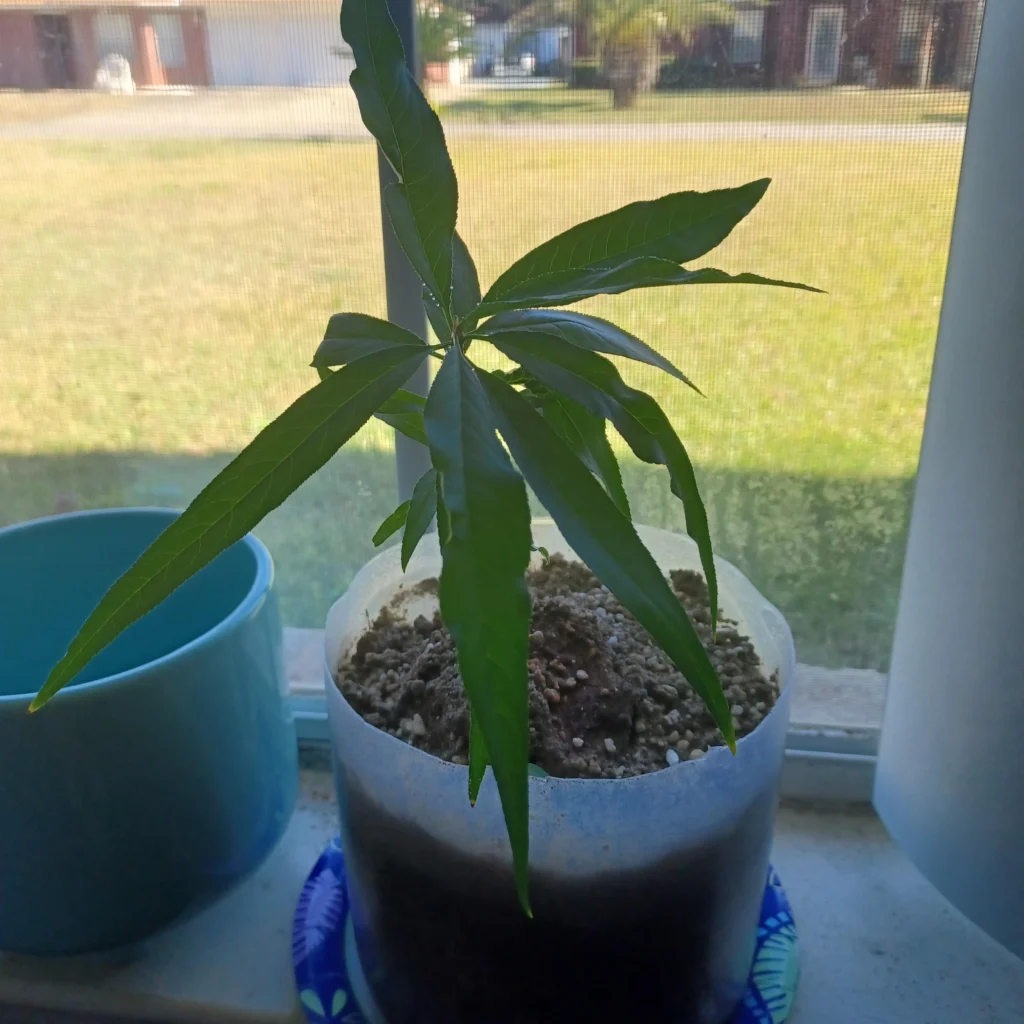
Once your peach seeds have sprouted, it’s time to plant them in soil. Use small pots or containers with well-draining potting mix enriched with compost or organic matter.
Steps for planting:
- Plant the seed about 1 inch deep in moist soil.
- Keep the pot in a warm, sunny location—around 70°F (21°C) is ideal.
- Water gently to keep the soil evenly moist but never waterlogged.
Within a few weeks, you’ll see the first signs of green shoots emerging from the soil—a thrilling sight for any gardener!
If you’re germinating multiple seeds, label each pot and observe differences in growth. Each seedling may develop unique characteristics in leaf shape, growth rate, and later, fruit quality.
Early Growth and Care
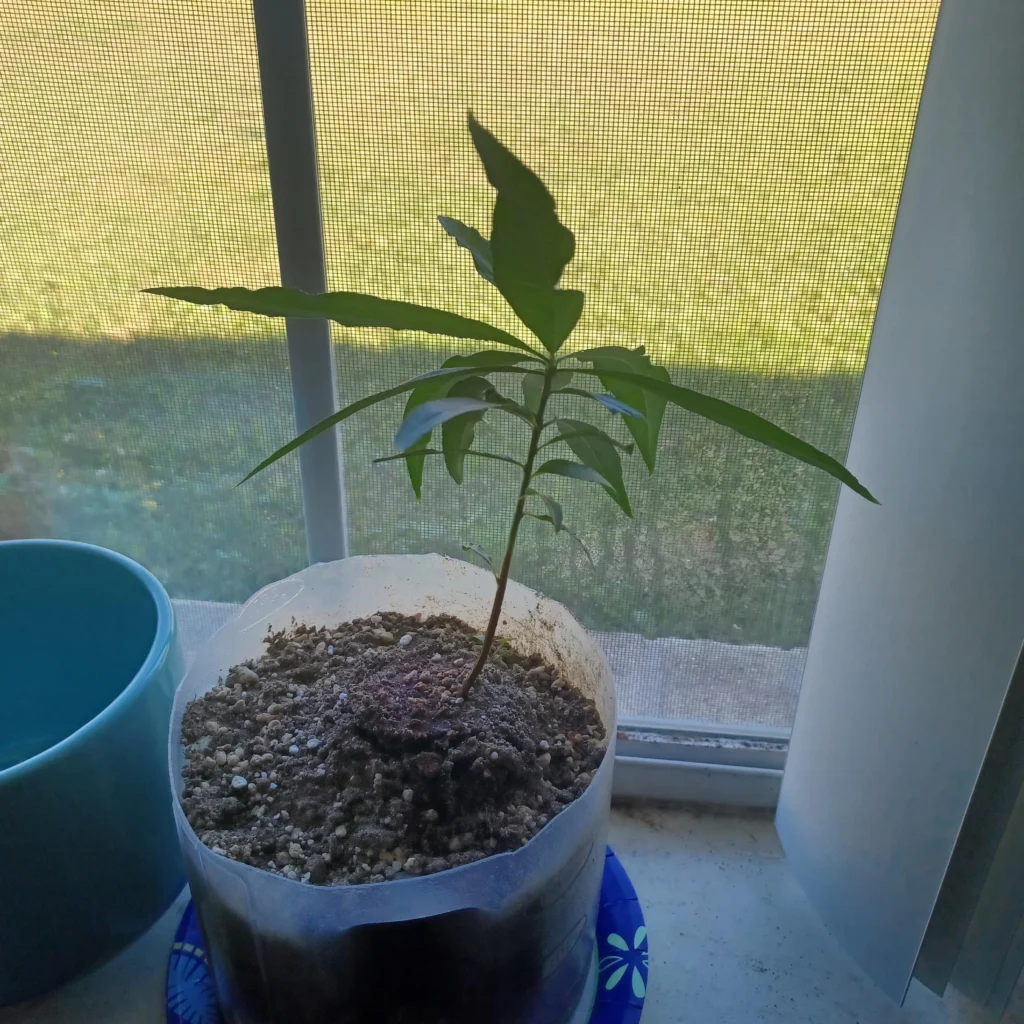
Young yellow peach seedlings are delicate and require consistent care during their first few months.
1. Light:
Place the seedlings in a sunny location with at least 6–8 hours of direct sunlight each day. If you’re growing indoors, consider using a grow light to supplement natural light.
2. Watering:
Keep the soil lightly moist but avoid soggy conditions. Overwatering is one of the most common mistakes and can cause root rot.
3. Temperature:
Peach seedlings prefer warm, stable temperatures. Protect them from cold drafts or sudden temperature changes.
4. Transplanting:
When the seedlings reach about 6–8 inches tall and have several sets of true leaves, they’re ready to be transplanted into larger pots or directly into the ground if conditions are suitable.
Handle them carefully when transplanting, ensuring you don’t damage the fragile roots.
Choosing the Right Outdoor Location
When your yellow peach seedlings are ready to move outdoors, selecting the right planting site is crucial for long-term success.
Ideal conditions for peach trees:
- Full Sun: Choose a location that receives at least 8 hours of direct sunlight daily.
- Well-Drained Soil: Avoid heavy clay or waterlogged areas. Slightly sandy or loamy soil is ideal.
- Space: Give each tree about 12–15 feet of space to allow for future growth and airflow.
- Wind Protection: A gentle slope or sheltered spot helps protect blossoms from cold spring winds.
Before planting, amend the soil with compost or aged manure to boost fertility.
Growing Progress: What to Expect Each Year
Growing peach trees from seed takes patience, but every stage offers something exciting. Here’s a rough timeline:
Year 1:
Seedlings grow steadily, focusing on root development. You’ll see lush green leaves and gradual height gain.
Year 2–3:
The young tree establishes itself. You may need to prune lightly to encourage strong branching and shape the canopy.
Year 3–5:
Most seed-grown peach trees begin to bear fruit between their third and fifth year, though this can vary. Blossoms appear in spring, followed by small green fruits that ripen in mid to late summer.
Beyond Year 5:
Your tree matures, producing regular harvests of sweet, golden-yellow peaches. Each year’s yield improves as the tree grows stronger and healthier.
Caring for Your Young Peach Trees
Once established, your peach tree will reward you with beautiful blossoms and delicious fruit. To keep it thriving, follow these care tips:
1. Watering
Deeply water your tree once a week during dry spells. Consistent moisture is key during flowering and fruit development.
2. Fertilizing
Feed annually in early spring with a balanced organic fertilizer or compost. Avoid over-fertilizing, as this can promote leaf growth over fruiting.
3. Pruning
Pruning is essential to maintain airflow, sunlight penetration, and fruit quality. Prune in late winter or early spring before new growth starts. Focus on removing dead or crossing branches and shaping an open canopy.
4. Pest and Disease Control
Peaches can be vulnerable to pests like aphids, scale, and leaf curl. To manage these:
- Use neem oil or insecticidal soap as needed.
- Clean up fallen leaves and fruit to prevent fungal buildup.
- Apply copper-based fungicide in early spring if leaf curl is common in your area.
With good orchard hygiene, your tree will remain healthy and productive.
Pollination and Fruit Set
Most yellow peach trees are self-fertile, meaning a single tree can produce fruit. However, planting multiple trees nearby often improves yield and fruit size due to increased pollination activity.
Spring blossoms attract bees and pollinators, so avoid using pesticides during bloom time. Watching bees buzz among your pink peach flowers is one of the most delightful sights in the garden!
Harvesting Homegrown Peaches
When your yellow peach tree finally bears fruit, the reward is worth the wait.
Signs of ripeness:
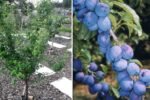
- The skin develops a deep golden-yellow hue with a hint of red blush.
- The fruit gives slightly when gently squeezed.
- The sweet aroma intensifies around the tree.
Harvest peaches carefully to avoid bruising. Once picked, they can be stored in the refrigerator for about a week or used immediately for fresh eating, baking, or preserving.
Enjoying the Fruits of Your Labor
Homegrown yellow peaches are unmatched in flavor and freshness. Their juicy sweetness and floral aroma are perfect for countless culinary creations.
Here are a few delicious ideas:
- Fresh Eating: Enjoy them right off the tree for the purest taste.
- Peach Jam or Preserves: Capture summer’s flavor in a jar.
- Pies and Cobblers: Classic desserts that highlight the fruit’s golden richness.
- Smoothies and Ice Cream: Add peeled slices for a creamy, refreshing twist.
- Grilled Peaches: Serve warm with honey and cinnamon for a gourmet treat.
Each fruit you enjoy will remind you of the patience and care it took to grow your tree from a tiny seed.
The Joy and Challenge of Seed-Grown Trees
Growing peaches from seed is not about instant results—it’s about the journey. While grafted trees guarantee predictable fruit, seed-grown trees add mystery and excitement. Each one is genetically unique, meaning your yellow peach might develop a new flavor, color, or texture unseen before.
This unpredictability is part of the adventure. Some seedlings may take longer to fruit or produce smaller peaches, while others may surprise you with exceptional quality. Either way, you’ll have created something truly your own—a living tree that started with your hands and care.
Final Thoughts: Watching Life Grow from a Seed
From the moment you crack open a peach pit to the day you bite into your first homegrown fruit, the journey of growing yellow peach trees from seed is deeply rewarding. It teaches patience, curiosity, and respect for nature’s rhythms.
Every stage—germination, transplanting, flowering, and fruiting—brings new excitement. With consistent care, sunlight, and a little love, your seedlings will flourish into strong, fruitful trees.
So, if you’ve ever saved a peach pit after enjoying a summer snack, don’t throw it away. Nurture it. Germinate it. Plant it. You might just grow a new variety of peach that’s entirely your own—a golden, sun-sweetened symbol of nature’s endless creativity.
Your very own yellow peach tree, born from a humble seed, could one day fill your garden with blossoms, fragrance, and fruit that tastes like pure sunshine.

Leave A Comment