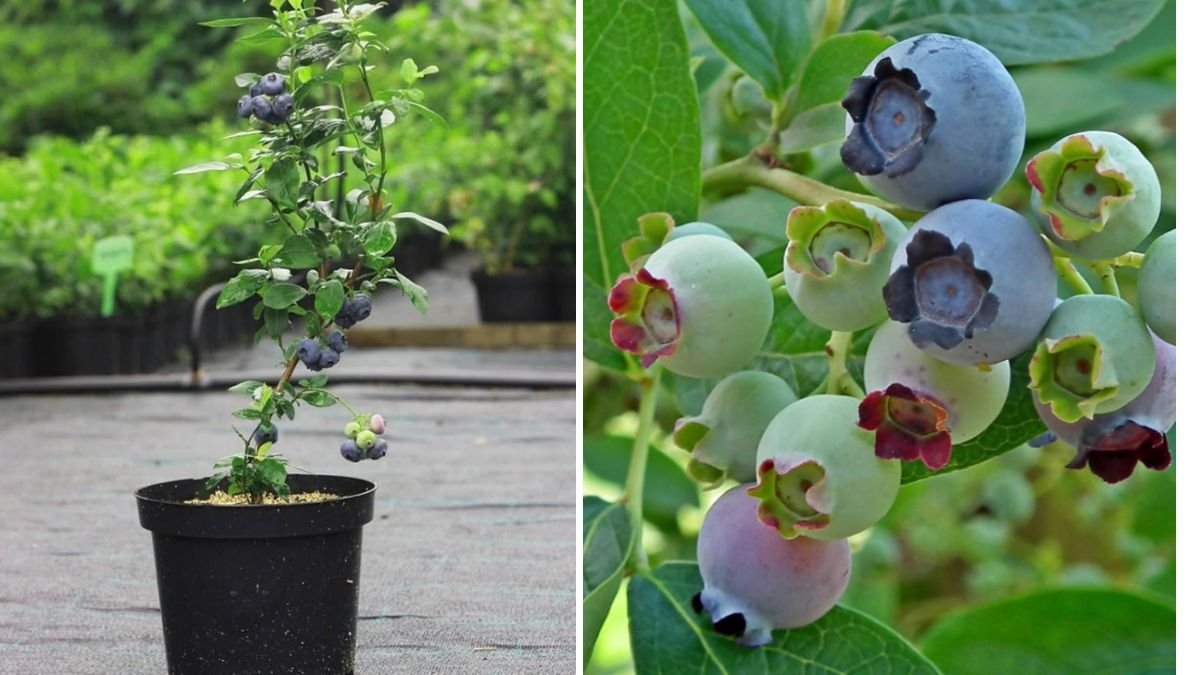
If you live in Kentucky and love fresh, homegrown fruit, blueberries are one of the best small fruits you can add to your garden. With their rich flavor, vibrant color, and incredible health benefits, blueberries are a favorite among both home gardeners and commercial growers. However, growing them successfully in Kentucky requires understanding your soil, climate, and proper care — especially when cultivating highbush blueberries, the most common type grown in this region.
In this complete guide, we’ll explore how to grow highbush blueberries in Kentucky — from choosing the right varieties and preparing the soil to planting, watering, and ensuring bountiful harvests year after year.
Why Grow Blueberries in Kentucky?
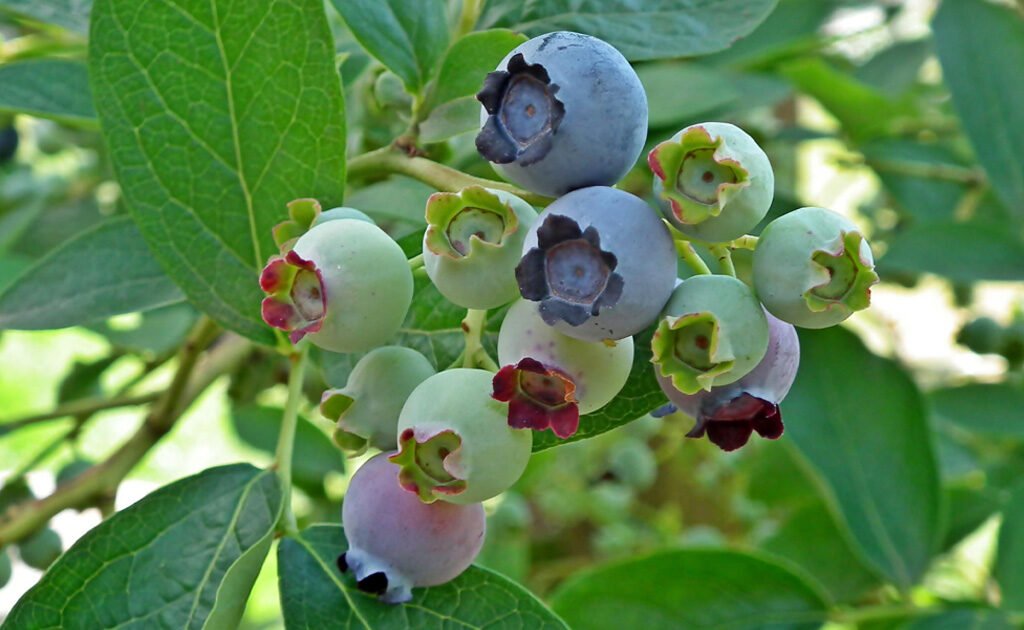
Kentucky’s climate, with its warm summers and cold winters, provides a suitable environment for growing many fruit crops, including blueberries. However, blueberries have one very specific requirement: acidic soil. Once you meet this condition, you’ll find that blueberries thrive beautifully in Kentucky.
Here are a few reasons why you should consider growing blueberries at home:
- Nutrient-rich fruit: Blueberries are packed with antioxidants, vitamins C and K, and dietary fiber.
- Low-maintenance: Once established, they require minimal care and can live for decades.
- Productive plants: A mature highbush blueberry can yield 8–10 pounds of fruit each year.
- Ornamental value: Blueberries offer spring blooms, summer berries, and stunning red foliage in fall.
- Perfect for small gardens: They fit well in backyard gardens, raised beds, and even containers.
Understanding Highbush Blueberries
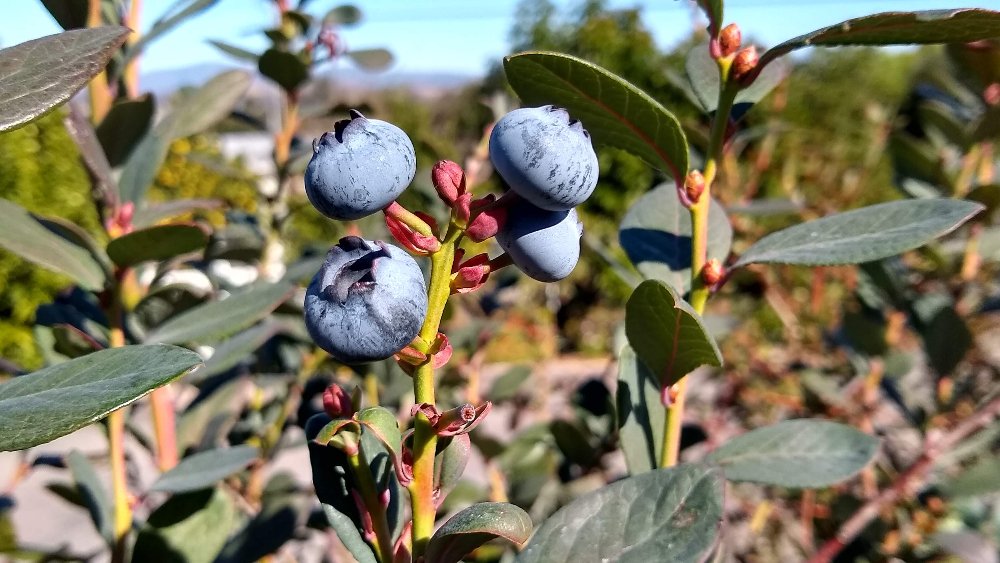
There are several types of blueberry plants, but highbush blueberries (Vaccinium corymbosum) are best suited for Kentucky’s climate. They are called “highbush” because of their tall stature — often reaching 5 to 8 feet in height — and their high yield compared to lowbush or rabbiteye varieties.
Highbush blueberries are divided into two main groups:
- Northern Highbush: Perfect for cooler areas, hardy to USDA Zone 4.
- Southern Highbush: Better for milder winters and warmer climates, hardy to Zone 6–9.
Kentucky, which falls primarily within USDA Zones 6–7, can successfully grow either type depending on your local conditions.
Best Blueberry Varieties for Kentucky
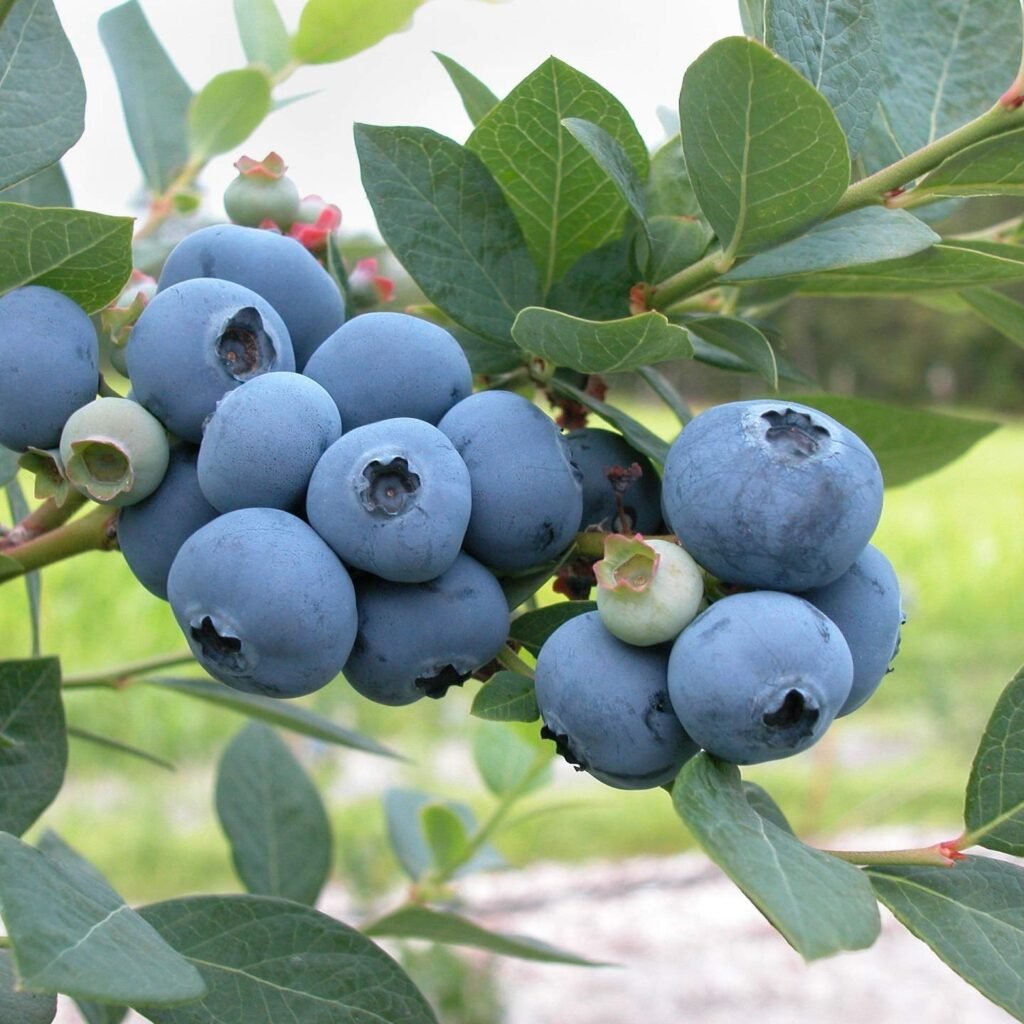
Choosing the right variety is crucial for success. Some of the best highbush blueberry varieties for Kentucky include:
- Bluecrop: Mid-season variety with excellent flavor and productivity.
- Duke: Early ripening, great for extending the harvest season.
- Elliott: Late-season variety that extends your harvest into late summer.
- Legacy: A reliable southern highbush with great taste and heat tolerance.
- Reka: Vigorous, early-bearing variety with high yields and adaptability.
Planting a mix of early, mid-, and late-season varieties ensures a continuous harvest from June through August.
Site Selection and Soil Preparation
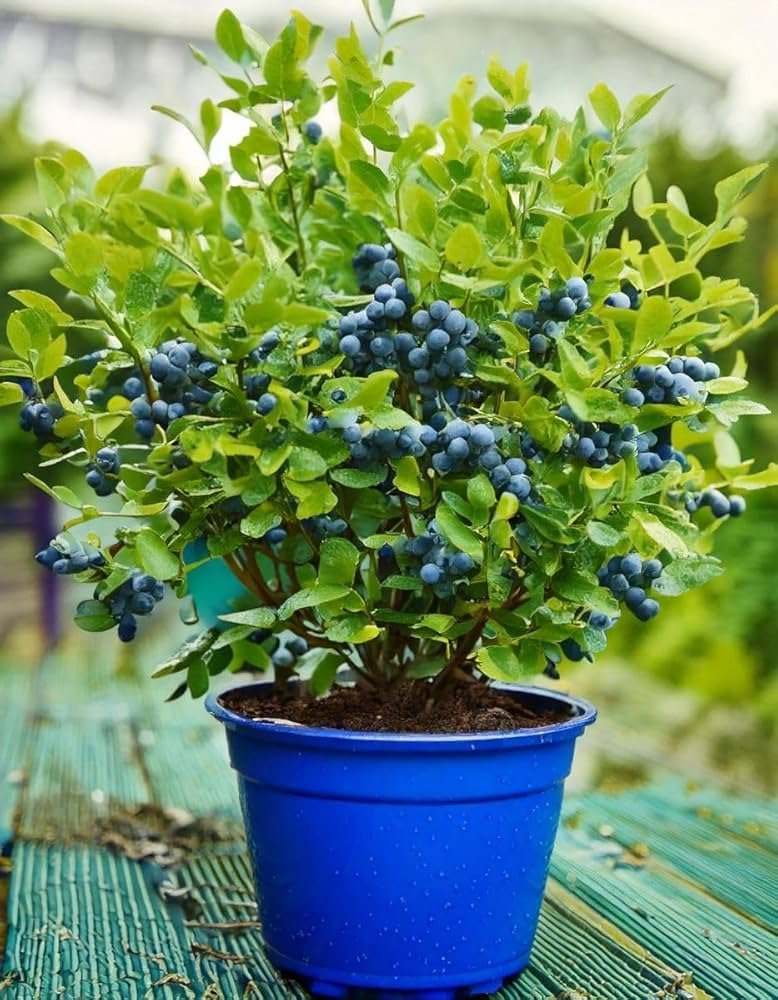
Blueberries are particular about where they grow. For best results, you’ll need to provide a location and soil that mimic their natural forest-edge habitat.
1. Sunlight
Blueberries need at least 6–8 hours of direct sunlight daily. Too much shade will reduce fruit size and sweetness.
2. Soil Acidity
The biggest challenge in Kentucky is soil pH — most Kentucky soils are naturally too alkaline for blueberries.
- Blueberries require acidic soil with a pH between 4.5 and 5.5.
- You can acidify your soil by adding elemental sulfur, pine bark mulch, or peat moss before planting.
- Test your soil with a pH meter or kit before planting, and amend accordingly.
3. Drainage
Blueberries hate “wet feet.” Choose a well-draining location or plant on raised beds or ridges. Standing water around roots can lead to root rot and plant death.
4. Organic Matter
Incorporate plenty of compost, pine bark, or peat moss into the planting area. Blueberries thrive in organic-rich, loose soil.
Planting Highbush Blueberries
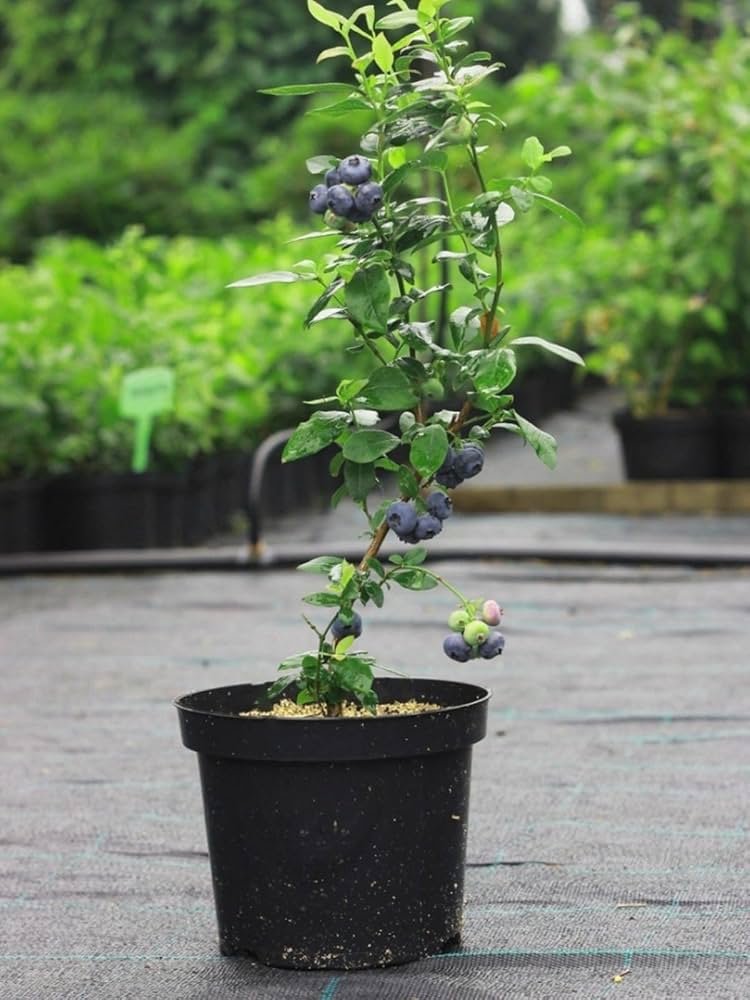
When to Plant
The best time to plant blueberries in Kentucky is early spring (March–April), once the ground has thawed but before new growth starts. Fall planting is possible in warmer regions but less common.
How to Plant
- Dig holes about 18 inches wide and 12–15 inches deep.
- Mix the removed soil with peat moss, compost, and sulfur.
- Place the plant in the hole so that the top of the root ball is level with the ground.
- Backfill and gently firm the soil.
- Water thoroughly and apply 2–3 inches of mulch around the base.
Spacing
- Space plants 4–5 feet apart in rows 8–10 feet apart.
- This allows air circulation, sunlight penetration, and easy picking.
Watering and Mulching
Blueberries have shallow roots, so maintaining consistent moisture is key.
- Water regularly, especially during the first two years. Aim for 1–2 inches of water per week.
- Use drip irrigation or a soaker hose to avoid wetting the foliage.
- Apply pine bark or pine needle mulch to conserve moisture and keep weeds down. Mulch also helps maintain soil acidity.
Fertilizing Your Blueberries
Blueberries are light feeders, and over-fertilizing can burn their roots.
- In the first year, avoid fertilizing at planting time.
- About 4–6 weeks after planting, apply a small amount of ammonium sulfate (not nitrate-based fertilizers).
- In subsequent years, fertilize in early spring and again after harvest using an acid-forming fertilizer like one formulated for azaleas or rhododendrons.
Avoid high-nitrogen fertilizers — blueberries prefer slow, steady feeding.
Pruning and Maintenance
Pruning keeps your blueberry plants healthy, productive, and full of new growth.
1. First 2 Years:
Do minimal pruning — just remove weak or dead stems to let the plant establish.
2. After Year 3:
- In late winter, remove old, unproductive canes at ground level.
- Keep 6–8 strong canes per bush, balancing old and new growth.
- Thin out crowded branches to allow light penetration and airflow.
Pruning encourages large, high-quality berries and reduces disease risk.
Pollination
Most highbush blueberry varieties are self-fertile, but planting two or more different varieties increases fruit set and yield due to better cross-pollination. Bees are the main pollinators, so avoid using pesticides during bloom.
Harvesting Highbush Blueberries
Blueberry plants usually start producing fruit 2–3 years after planting, reaching full production around year 6.
When to Harvest:
- Blueberries turn from green to deep blue when ripe, but don’t rush to pick them.
- Wait 3–5 days after they turn fully blue — this allows maximum sweetness and flavor.
How to Harvest:
- Gently roll ripe berries off the cluster with your fingers.
- Pick every few days during the ripening period (typically June through August in Kentucky).
After harvesting, store berries in a cool place or refrigerate them for up to two weeks. For long-term storage, freeze them in a single layer before bagging.
Pest and Disease Control
Blueberries are relatively low-maintenance, but Kentucky’s humid climate can invite pests and diseases.
Common Pests:
- Birds: Use bird netting or reflective tape to protect ripening berries.
- Japanese beetles and aphids: Handpick or spray with neem oil if necessary.
Common Diseases:
- Root rot: Caused by poorly drained soil. Avoid overwatering.
- Botrytis blight: A gray mold affecting flowers and fruit — improve airflow and remove infected parts.
- Mummy berry: A fungal disease that shrivels berries; rake fallen debris and apply mulch to prevent spores.
Keeping your garden clean and maintaining proper spacing helps prevent most problems naturally.
Growing Blueberries in Containers
If your soil isn’t naturally acidic, container gardening is an excellent solution.
Container Tips:
- Use pots at least 16–20 inches in diameter with good drainage.
- Fill with a mix of peat moss, pine bark, and perlite.
- Water regularly, as containers dry out faster than ground soil.
- Fertilize lightly with an acid-loving plant food.
Container blueberries are easy to manage, portable, and perfect for patios or small yards.
Winter Care
Kentucky winters can be harsh, especially in northern regions. Protect your blueberries by:
- Adding an extra layer of mulch around the base for insulation.
- Avoiding late-summer fertilizing to prevent tender new growth.
- In containers, move pots to a sheltered area or wrap them with burlap for protection.
Final Thoughts
Growing highbush blueberries in Kentucky can be incredibly rewarding. Once established, these hardy shrubs provide years of sweet, antioxidant-rich berries that taste better than anything store-bought. With proper soil preparation, consistent watering, and occasional pruning, your blueberry patch will thrive for decades.
Whether you grow them in your backyard, raised beds, or containers, blueberries will reward your care with beautiful blooms, colorful foliage, and, of course, delicious fruit.
So get started this season — prepare your soil, plant a few highbush blueberry varieties, and enjoy your own slice of blueberry heaven in Kentucky!

Leave A Comment