Which Country Is the Largest Date Producer in the World?

Which Country Is the Largest Date Producer in the World?

Dates are more than just a sweet, chewy treat—they are a symbol of tradition, nutrition, and culture in many parts of the world. From their role in ancient trade routes to their importance in religious and festive occasions today, dates have a rich history spanning thousands of years.

But when it comes to modern-day production, which country leads the world in producing the most dates? In this comprehensive guide, we’ll explore the largest date-producing nations, what makes them successful, and why dates continue to thrive as a global commodity.


The Global Significance of Dates

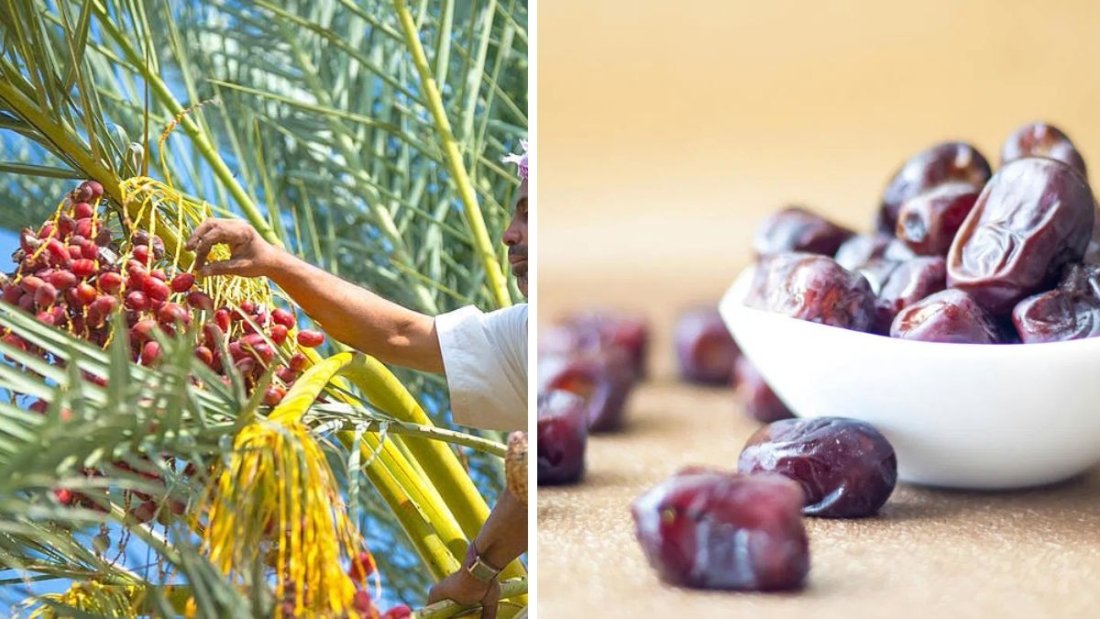
Dates are the fruit of the date palm (Phoenix dactylifera), a resilient plant that grows in arid regions with minimal water. Known for their high sugar content, fiber, and essential nutrients, dates are a powerhouse of energy and health benefits.

Nutritional Benefits of Dates

  • Rich in natural sugars for instant energy
  • Packed with fiber to aid digestion
  • Loaded with vitamins (B1, B2, B3, B5, A1) and minerals (magnesium, potassium, iron)
  • Contains antioxidants that fight free radicals
  • Helps regulate blood sugar levels in moderation

Because of these benefits, global demand for dates continues to rise each year, both for fresh consumption and for use in desserts, energy bars, and traditional recipes.


Which Country Produces the Most Dates?

Egypt — The World’s Largest Date Producer

Egypt is the undisputed leader in global date production. The country produces over 1.6 million tonnes of dates annually, which accounts for nearly 15–20% of the world’s total date supply.

Egyptian dates are famous for their large size, high sweetness, and quality, making them popular both locally and internationally.


Why Egypt Excels in Date Production

Egypt’s dominance in date production is due to several factors:

1. Ideal Climate

Date palms thrive in hot, arid climates with plenty of sunlight. Egypt’s Nile Valley offers:

  • Long, hot summers
  • Minimal rainfall
  • Sandy, well-draining soils

This combination creates perfect conditions for healthy, high-yield date palms.


2. Extensive Plantations

Egypt has hundreds of thousands of hectares dedicated to date cultivation, with major production areas including:

  • Sohag Governorate
  • Qena Governorate
  • Luxor
  • Aswan

These regions have fertile soil along the Nile, irrigation systems, and decades of cultivation experience.


3. High-Quality Varieties

Egypt grows a wide range of date varieties, including:

  • Siwi – Sweet, medium-sized dates
  • Samany – Large and soft
  • Hayany – Popular export variety
  • Zaghloul – Soft, red, and aromatic

This diversity helps Egypt meet both domestic and export market demands.


4. Export Infrastructure

Egypt exports dates to more than 70 countries, including:

  • Saudi Arabia
  • UAE
  • European Union
  • United States
  • Asia

With cold storage facilities, modern packaging, and shipping networks, Egypt ensures that its dates reach international markets fresh and high quality.


Other Major Date-Producing Countries

While Egypt leads the world, several other countries are also famous for large-scale date production.


Saudi Arabia

Saudi Arabia is the second-largest producer of dates globally.

  • Produces around 1 million tonnes annually
  • Known for high-quality varieties such as Ajwa, Sukkari, and Khalas
  • Dates hold cultural and religious significance in Saudi society
  • Exports to Asia, Europe, and North America

Saudi dates are often considered a premium product due to their rich taste and traditional heritage.


Iraq

Iraq has a long history of date cultivation, dating back thousands of years.

  • Produces over 700,000 tonnes annually
  • Famous varieties include Zahidi and Khalas
  • Date palms are a vital part of Iraq’s agricultural economy

Although production has fluctuated due to political instability, Iraq remains a significant contributor to the global date market.


Iran

Iran is another key player in date production.

  • Produces about 600,000 tonnes annually
  • Known for soft, sweet varieties like Mazafati
  • Dates are widely consumed domestically and exported worldwide
  • Southern regions like Kerman and Hormozgan are top producers

Iranian dates are particularly popular in Asian markets.


United Arab Emirates

  • Produces around 100,000–120,000 tonnes annually
  • Known for premium varieties like Fardh, Khudri, and Shahani
  • Dates are an essential part of Emirati culture and cuisine
  • The UAE has invested in modern irrigation and plantation management

Tunisia

Tunisia may be smaller in total production, but its dates are renowned for quality.

  • Produces around 120,000 tonnes annually
  • Famous for Deglet Noor, known as the “queen of dates”
  • Primarily exports to Europe
  • Combines traditional cultivation methods with modern technology

Date Production Around the World (Approximate)

CountryAnnual Production (Tonnes)
Egypt1,600,000+
Saudi Arabia1,000,000+
Iraq700,000+
Iran600,000+
Tunisia120,000+
UAE100,000+
Algeria90,000+
Pakistan60,000+

Why Date Cultivation Is Profitable

  • High demand both locally and internationally
  • Long lifespan: date palms can produce fruit for 60+ years
  • Drought-tolerant once established
  • Low maintenance compared to other fruit crops
  • Multiple uses: fresh fruit, syrup, date sugar, and confectioneries

Farmers in Egypt, Saudi Arabia, and Iran often see dates as a high-return crop.


Tips for Successful Date Farming

  1. Select high-yield varieties suitable for your climate
  2. Prepare well-draining soil with proper irrigation
  3. Plant in full sunlight for maximum growth
  4. Regularly prune and maintain trees to encourage fruiting
  5. Monitor pests such as red palm weevil
  6. Harvest at the right time for optimal sweetness

Date Export Trends

  • Global demand for dates is increasing due to health consciousness
  • Organic and premium varieties are highly sought after
  • Egypt dominates the export market, especially with Siwi and Zaghloul varieties
  • Middle Eastern dates are exported widely to Europe, North America, and Asia

Fun Facts About Dates

  • Dates have been cultivated for over 6,000 years
  • They were a staple in ancient Egyptian diets
  • Ajwa dates from Saudi Arabia are considered sacred in Islam
  • Date palms can reach 30 meters in height and live over 100 years

Final Answer: Which Country Is the Largest Date Producer?

Egypt is the largest date producer in the world, producing over 1.6 million tonnes annually. Its ideal climate, vast plantations, high-quality varieties, and strong export network make it the undisputed leader in global date production.


Final Thoughts

Dates are more than just a sweet fruit—they are a vital part of global culture, history, and nutrition. While many countries produce high-quality dates, Egypt continues to lead the world in both quantity and consistency.

With rising global demand, countries like Saudi Arabia, Iran, and Iraq are expanding production, but for now, Egypt remains the heart of the world’s date industry.

Whether you enjoy dates fresh, in desserts, or as natural sweeteners, remember that you’re tasting a fruit that has nourished civilizations for thousands of years.
Which Country Is Famous for Producing the Most Custard Apples?

Which Country Is Famous for Producing the Most Custard Apples?

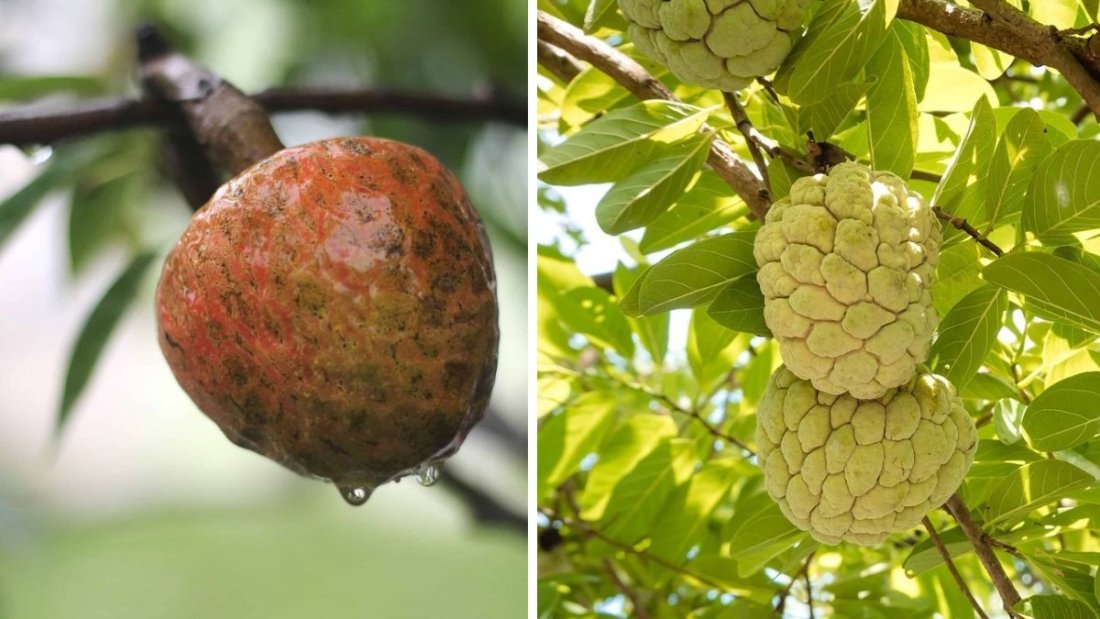
Custard apples, also known as sugar apples or Annona squamosa, are tropical fruits famous for their creamy, sweet pulp and unique, knobby appearance. Loved worldwide for their luscious taste and health benefits, custard apples have become a staple fruit in tropical and subtropical regions. But when it comes to global production, which country produces the most custard apples?

In this detailed guide, we’ll explore the leading custard apple-producing countries, why these nations excel, and the health and economic significance of this delicious fruit.


The Global Significance of Custard Apples

Custard apples are not just tasty; they are highly nutritious. Their sweet, creamy pulp is rich in vitamins, minerals, and antioxidants, making them a powerhouse fruit.

Nutritional Benefits of Custard Apples

  • Rich in vitamin C – boosts immunity
  • Contains vitamin B6 – supports brain health
  • High in dietary fiber – aids digestion
  • Provides potassium and magnesium – maintains heart health
  • Loaded with antioxidants – fights free radicals
  • Natural energy booster due to natural sugars

Because of their unique taste and health benefits, custard apples are in high demand globally, both for fresh consumption and for use in desserts, smoothies, and ice creams.


Custard Apple Varieties

There are several popular varieties grown worldwide, including:

  • Desi / Local Varieties – Traditional varieties grown in India and tropical Asia
  • African Pride – Known for larger fruit and creamier pulp
  • Red Sitaphal – Unique reddish skin, sweet and aromatic
  • Pear-shaped custard apple – Smaller, highly aromatic fruits

Different regions cultivate varieties best suited for their climate and soil conditions.


Which Country Produces the Most Custard Apples?

India — The Largest Producer of Custard Apples

India is the undisputed leader in custard apple production, contributing nearly 45–50% of the world’s total output.

  • India produces over 1.5 million tonnes annually
  • Custard apples are grown across multiple states, primarily in tropical and subtropical regions
  • Major producing states: Madhya Pradesh, Maharashtra, Andhra Pradesh, Tamil Nadu, Karnataka, and West Bengal

India’s tropical climate, fertile soil, and long-standing agricultural experience make it perfect for custard apple cultivation.


Why India Excels in Custard Apple Production

Several factors contribute to India’s dominance:

1. Ideal Climate

Custard apples thrive in:

  • Warm, tropical climates
  • Well-draining sandy or loamy soil
  • Moderate rainfall (700–1500 mm annually)
  • Temperature range: 25–35°C

India’s tropical regions provide these perfect conditions, especially in central and southern states.


2. Widespread Cultivation

Custard apple cultivation is widespread in India:

  • Madhya Pradesh – Called the custard apple hub of India
  • Maharashtra – Especially in Pune and Satara districts
  • Andhra Pradesh & Telangana – Known for commercial-scale orchards
  • Tamil Nadu & Karnataka – Popular in backyard gardens and orchards

Farmers grow custard apples both for local consumption and commercial purposes.


3. High-Yield Varieties

India cultivates high-yield varieties suitable for different climates:

  • Balanagar – Large fruit, soft pulp
  • Sitaphal / Red Sitaphal – Sweet and aromatic
  • Amini – Compact trees, early fruiting
  • Local indigenous varieties – Adapted to local soil and climate

These varieties ensure a consistent supply to domestic and export markets.


4. Economic Importance

Custard apples are an essential cash crop for small and medium farmers in India:

  • Provides steady income during harvest season
  • Sold fresh in local markets and exported to the Middle East, Europe, and Asia
  • Value-added products like pulp, jams, ice creams, and smoothies create additional revenue

The custard apple industry contributes significantly to rural livelihoods and agricultural exports.


Other Custard Apple-Producing Countries

While India leads globally, several other countries also contribute to the production of custard apples.


Philippines

  • Produces around 200,000–250,000 tonnes annually
  • Known locally as “sugar apple” or “atis
  • Popular for its sweet, creamy pulp
  • Grown mainly in Luzon and Mindanao regions

The Philippines exports small quantities of custard apples, mainly to Asian markets.


Brazil

  • Produces 100,000–150,000 tonnes annually
  • Locally called “fruta-do-conde
  • Cultivated in tropical states like Bahia, Pernambuco, and Ceará
  • Used in desserts, juices, and local cuisine

Brazilian custard apples are highly sought after for their creamy texture.


Mexico

  • Produces 80,000–100,000 tonnes annually
  • Grows well in semi-tropical regions
  • Known for medium-sized fruits with sweet pulp
  • Consumed domestically and exported regionally

Other Notable Countries

  • Thailand – Small-scale production, local consumption
  • Vietnam – Known for its unique varieties for domestic markets
  • Sri Lanka – Grown in coastal and central regions
  • Kenya & African countries – Limited commercial production

Custard Apple Cultivation Practices

For successful cultivation, farmers follow these steps:

1. Soil Preparation

  • Use sandy loam or loamy soil with good drainage
  • Add organic compost or manure to enrich nutrients
  • Avoid heavy clay soil which causes root rot

2. Planting

  • Plant using seeds or grafted saplings
  • Spacing: 3–4 meters between trees
  • Depth: 2–3 inches for seeds, 1–2 feet for saplings

3. Watering

  • Water moderately during growth stage
  • Avoid waterlogging
  • Increase watering during flowering and fruiting

4. Fertilization

  • Organic manure, compost, or nitrogen-rich fertilizer
  • Supplement with potassium and phosphorus during fruiting

5. Pest & Disease Management

Common pests:

  • Mealybugs
  • Aphids
  • Fruit borers

Common diseases:

  • Powdery mildew
  • Root rot
  • Leaf spot

Control measures include neem oil spray, proper pruning, and good field sanitation.


6. Harvesting

  • Custard apples are ready to harvest 3–4 months after flowering
  • Fruit is harvested when skin starts turning slightly yellow and soft
  • Handle gently to avoid bruising

7. Storage

  • Keep in cool, ventilated place
  • Shelf life is 3–5 days for fresh fruits
  • Can be processed into pulp, jam, or frozen for longer storage

Economic and Cultural Importance

Custard apples are more than just food—they are part of cultural traditions:

  • Used in festivals and religious rituals in India
  • Sold in local markets and exported internationally
  • Income generation for small-scale farmers
  • Ingredient in traditional desserts, ice creams, and smoothies

Final Answer: Largest Custard Apple Producer

India is the largest custard apple-producing country in the world, producing over 1.5 million tonnes annually. Its tropical climate, widespread cultivation, high-yield varieties, and strong domestic and export markets make India the undisputed leader in custard apple production.


Final Thoughts

Custard apples are a treasure of tropical agriculture — nutritious, delicious, and economically significant. While several countries cultivate this fruit, India stands at the forefront, leading global production and supplying high-quality custard apples worldwide.

From backyard gardens to commercial orchards, custard apple cultivation continues to thrive, feeding millions and creating livelihoods for farmers. So next time you enjoy a sweet, creamy custard apple, remember that it represents centuries of cultivation, tropical sunshine, and a country that loves this fruit as much as its people do.

7 Money Plants That Bring Good Fortune and Beauty

7 Money Plants That Bring Good Fortune and Beauty

Plants have always been more than just greenery in our homes—they bring life, beauty, and positive energy. Among them, money plants are especially revered for their association with prosperity, good fortune, and abundance. Beyond symbolism, money plants are easy to care for, visually appealing, and can enhance indoor air quality.

In this guide, we’ll explore 7 money plants that not only bring luck but also add charm and freshness to your home or office.


1. Pothos (Epipremnum aureum)

Also known as Devil’s Ivy, Pothos is one of the most popular money plants worldwide.

Why It Brings Good Fortune

  • Symbolizes wealth, luck, and prosperity in Feng Shui
  • Believed to attract positive energy to homes and workplaces

Features and Care

  • Heart-shaped green leaves, often variegated with yellow or white
  • Thrives in low light and minimal care
  • Can grow in water or soil
  • Requires watering only when the top layer of soil is dry

Tip: Place a Pothos in the northeast corner of your home or office for maximum prosperity.


2. Lucky Bamboo (Dracaena sanderiana)

Lucky Bamboo is a classic symbol of luck and wealth in Asian cultures. It’s often gifted during housewarmings, weddings, and business openings.

Why It Brings Good Fortune

  • Represents good luck, wealth, and growth
  • In Feng Shui, the number of stalks matters:
    • 2 stalks: love and relationships
    • 3 stalks: happiness
    • 5 stalks: health
    • 8 stalks: wealth and abundance

Features and Care

  • Grows in water or soil
  • Thrives in indirect sunlight
  • Requires water changes every 7–10 days
  • Fertilize sparingly

Tip: Keep Lucky Bamboo near the entrance of your home to attract positive energy.


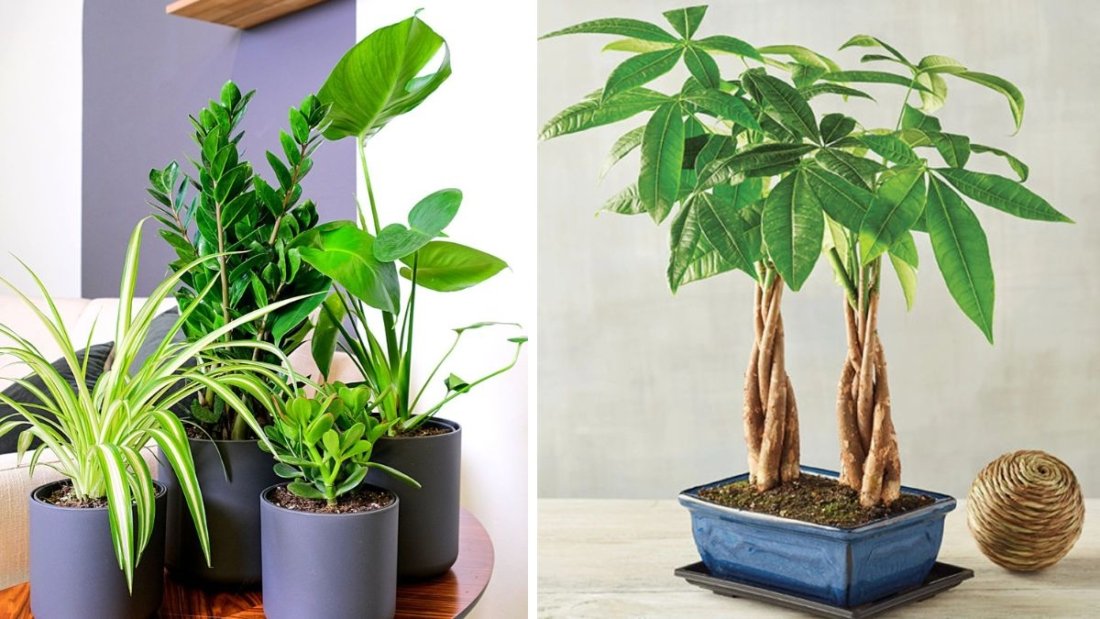
3. Money Tree (Pachira aquatica)

The Money Tree, or Pachira aquatica, is a popular indoor plant known for its braided trunk and lush green foliage.

Why It Brings Good Fortune

  • Associated with bringing wealth and financial stability
  • Symbolizes prosperity, growth, and harmony in Feng Shui

Features and Care

  • Thrives in indirect sunlight
  • Prefers moist but well-draining soil
  • Water weekly, avoid waterlogging
  • Can grow 6–8 feet indoors with proper care

Tip: Place the Money Tree in the southeast corner of your home, which is considered the wealth corner.


4. Jade Plant (Crassula ovata)

The Jade Plant, also called the money plant in some cultures, is a succulent with thick, shiny leaves.

Why It Brings Good Fortune

  • Symbolizes wealth, prosperity, and good luck
  • Rounded leaves resemble coins, which is why it’s associated with financial growth

Features and Care

  • Thrives in bright, indirect sunlight
  • Requires well-draining soil
  • Water sparingly, especially in winter
  • Can live for decades with proper care

Tip: Keep the Jade Plant near windows to receive sunlight and maximize its positive energy.


5. Crescent Money Plant (Xanthostemon chrysanthus)

The Crescent Money Plant is less common but is believed to bring strong prosperity energy into homes.

Why It Brings Good Fortune

  • Associated with financial stability and protection against negative energy
  • Symbolizes growth and abundance in business

Features and Care

  • Bright green foliage, sometimes with golden edges
  • Thrives in well-lit areas but avoids harsh direct sunlight
  • Water moderately, keeping soil slightly moist

Tip: Position this plant in your office or near a workspace to attract professional success.


6. Pachira Money Plant in Water (Hydroponic Money Plant)

A variant of the traditional Money Tree, the hydroponic version grows in water instead of soil.

Why It Brings Good Fortune

  • Ideal for Feng Shui practices
  • Attracts prosperity and removes negative vibes from indoor spaces

Features and Care

  • Can grow braided or straight stalks in glass vases
  • Replace water every 7–10 days to prevent stagnation
  • Add a few drops of liquid fertilizer monthly

Tip: Use a clear glass vase to allow visibility of roots, which symbolizes transparency and growth in life and wealth.


7. Silver Money Plant (Plectranthus verticillatus)

Also known as Swedish Ivy, the Silver Money Plant is a trailing plant that looks beautiful in hanging baskets or shelves.

Why It Brings Good Fortune

  • Promotes abundance and financial growth
  • Believed to bring positivity and protect against negativity

Features and Care

  • Thrives in moderate sunlight
  • Requires regular watering but avoid overwatering
  • Can be grown in water or soil

Tip: Hang it in living rooms or near windows for both beauty and prosperity benefits.


Tips to Maximize the Luck and Beauty of Money Plants

  1. Proper Placement: In Feng Shui, the northeast and southeast corners of your home or office are considered ideal for placing money plants.
  2. Cleanliness: Keep leaves free from dust; healthy plants attract positive energy.
  3. Fresh Water: For hydroponic plants, replace water weekly and remove dead leaves.
  4. Sunlight: Ensure plants get adequate indirect sunlight for growth.
  5. Positive Vibes: Talk to your plants or simply enjoy their presence—plants thrive in a calm environment.
  6. Pruning: Trim dead or yellow leaves to encourage new growth and maintain the plant’s beauty.
  7. Gifting: Giving a money plant as a gift is considered auspicious and spreads prosperity.

Why Money Plants Are More Than Just Luck

Money plants aren’t just symbols—they also bring real benefits:

  • Air purification: Many money plants, like Pothos and Lucky Bamboo, help remove indoor pollutants.
  • Stress reduction: Indoor plants create a calming effect, reducing stress and improving mental health.
  • Aesthetic appeal: With their vibrant green leaves and unique shapes, money plants enhance home décor.
  • Low maintenance: Most money plants are easy to care for, requiring minimal effort.

Fun Facts About Money Plants

  • Some money plants can survive weeks without water, making them ideal for busy individuals.
  • The braided trunks of Pachira aquatica are thought to “trap wealth” in Feng Shui.
  • Heart-shaped leaves of Pothos symbolize love and harmony in addition to wealth.
  • Lucky Bamboo is technically not a bamboo but belongs to the Dracaena family.

Conclusion

Money plants are more than just indoor greenery—they are symbols of prosperity, positivity, and abundance. From the classic Pothos to the elegant Money Tree, these plants bring both beauty and fortune into homes and offices.

Incorporating these 7 money plants into your living or workspaces is a simple yet powerful way to enhance your environment, attract positive energy, and enjoy the beauty of nature indoors. Whether you grow them in soil or water, hang them in baskets, or place them on tables, these plants are sure to brighten your surroundings and invite good fortune.