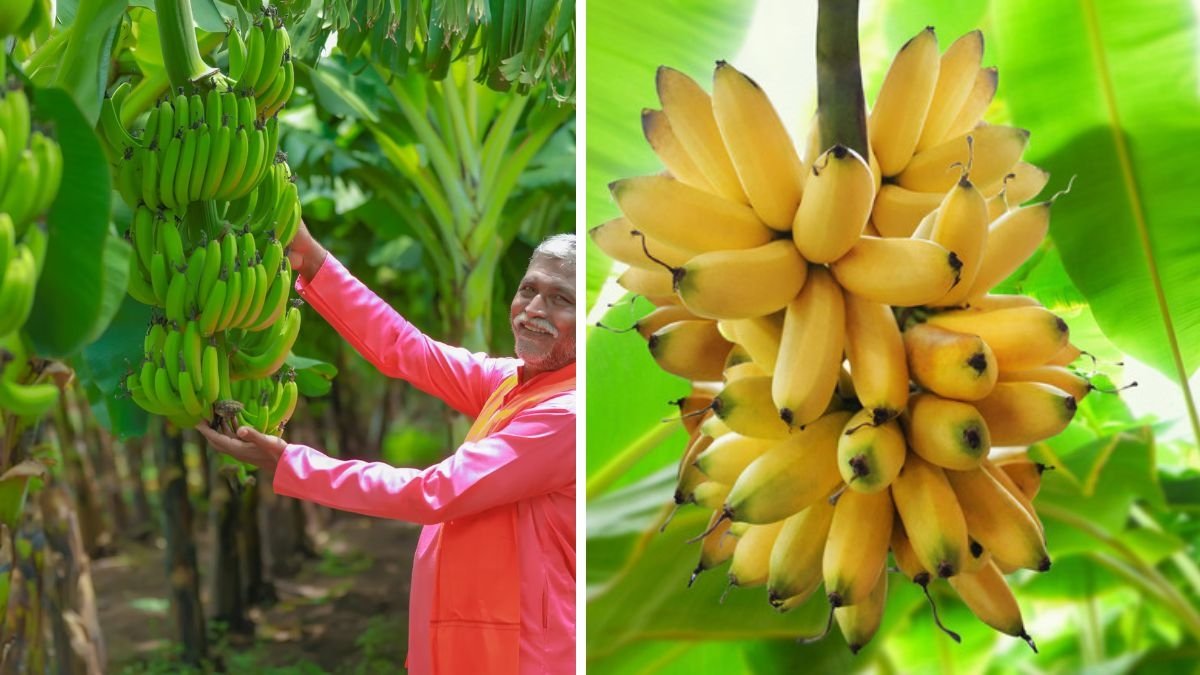
Bananas are one of the most beloved fruits worldwide. They are a staple in millions of diets, a source of instant energy, and a key ingredient in countless dishes, smoothies, and desserts. But beyond their taste and nutritional value, bananas have significant agricultural and economic importance.
If you’ve ever wondered, which country produces the most bananas globally, this article provides a detailed answer and explores why certain nations dominate banana production, the varieties they grow, and the global trade surrounding this tropical fruit.
The Global Importance of Bananas
Bananas are more than just a tasty snack—they are a lifeline for millions of people, especially in tropical countries. They provide:
Nutritional Benefits of Bananas
- Rich in potassium – promotes heart health
- High in vitamin B6 – supports brain function
- Provides dietary fiber – aids digestion
- Contains vitamin C – boosts immunity
- Natural sugars for instant energy
Because of these benefits, bananas are widely consumed worldwide, making them one of the most important fruits in global agriculture.
Banana Varieties Around the World
Bananas are not all the same. There are hundreds of varieties grown across different regions, including:
- Cavendish – The most common export variety
- Red Banana – Sweet, red-skinned, and smaller
- Plantains – Starchy variety, often cooked
- Apple Banana / Lady Finger – Sweet, small, and aromatic
Each variety is suited for particular climates, soil types, and uses—whether for eating raw, cooking, or export.
Which Country Produces the Most Bananas?
India — The Global Leader in Banana Production
India is the largest banana producer in the world, contributing nearly 25% of the world’s total banana production.
- Produces over 30 million tonnes annually
- Bananas are grown in almost every state of India
- Major producing states include Tamil Nadu, Maharashtra, Gujarat, Karnataka, Andhra Pradesh, and Kerala
India primarily grows bananas for domestic consumption, although it also exports to several countries, making it the undisputed global leader.
Why India Excels in Banana Production
India’s dominance in banana production is due to a combination of favorable climate, fertile soil, and centuries of cultivation experience.
1. Ideal Climate and Geography
Bananas thrive in:
- Warm, tropical, and subtropical climates
- Well-draining loamy or alluvial soils
- Annual rainfall of 1000–2500 mm
- Temperature range: 26°C–30°C
India’s southern and western regions provide these perfect conditions for year-round cultivation.
2. Widespread Cultivation
Bananas are grown across India in both small backyard farms and large commercial plantations.
- Tamil Nadu: Famous for Rasthali, Poovan, and Red Banana
- Maharashtra: Grows Musa Basjoo and Robusta varieties
- Gujarat: Produces high-quality export bananas
- Karnataka and Andhra Pradesh: Leading producers of Cavendish bananas
This widespread cultivation ensures consistent production and supply.
3. High-Yield Varieties
India cultivates numerous banana varieties suitable for different markets:
- Cavendish – Ideal for export
- Robusta – Widely grown for domestic consumption
- Poovan and Rasthali – Popular local varieties
High-yield varieties help farmers meet both domestic demand and export requirements.
4. Economic Significance
Banana cultivation is a major source of income for Indian farmers:

- Provides employment to millions in farming, harvesting, packing, and distribution
- Generates substantial export revenue
- Bananas support the rural economy and food security
Bananas are also integral to festivals, cultural traditions, and religious ceremonies in India, adding to their economic and cultural importance.
Other Major Banana-Producing Countries
While India leads in production, several other countries are also key players in the global banana market.
Philippines
- Produces around 9 million tonnes annually
- Major export-oriented production, primarily Cavendish variety
- Grows mainly in Mindanao, Davao, and Zambales
- Exports mainly to Japan, China, and Middle Eastern countries
The Philippines is one of the top banana exporters in the world.
Brazil
- Produces over 7 million tonnes annually
- Known for Robusta and Prata varieties
- Major production areas: Southeast Brazil, Bahia, and Minas Gerais
- Primarily consumed domestically, with some exports to neighboring countries
Brazil is one of the largest consumers and producers of bananas in the Americas.
Ecuador
- Produces around 6 million tonnes annually
- Known globally as a major exporter of Cavendish bananas
- Exports bananas to Europe, North America, and Asia
- Ecuador earns billions annually from banana exports
Ecuador is considered the backbone of the global banana trade due to its export volume.
Other Notable Producers
- Indonesia – 6 million tonnes, mainly for domestic consumption
- China – 5.5 million tonnes, domestic consumption
- Costa Rica – 2.5 million tonnes, primarily export-focused
- Colombia – 2 million tonnes, major exporter to the U.S. and Europe
Global Banana Production Statistics (Approximate)
| Country | Annual Production (Tonnes) |
|---|---|
| India | 30,000,000+ |
| Philippines | 9,000,000+ |
| Brazil | 7,000,000+ |
| Ecuador | 6,000,000+ |
| Indonesia | 6,000,000+ |
| China | 5,500,000+ |
| Costa Rica | 2,500,000+ |
| Colombia | 2,000,000+ |
Banana Cultivation Practices
Successful banana cultivation depends on proper care and management.
1. Soil Preparation
- Use well-draining loamy or sandy soil
- Enrich with organic manure or compost
- Avoid waterlogging which causes root rot
2. Planting
- Banana plants can be grown from suckers or tissue culture plantlets
- Spacing: 2–3 meters between plants
- Depth: Plant suckers with roots fully covered by soil
3. Watering
- Requires regular watering, especially during dry seasons
- Avoid waterlogging as it leads to diseases
4. Fertilization
- Use nitrogen-rich fertilizers for vegetative growth
- Supplement with potassium and phosphorus for fruiting
- Apply compost and organic manure to improve soil health
5. Pest and Disease Management
Common banana pests:
- Banana weevil
- Aphids
- Nematodes
Common diseases:

- Panama disease
- Black Sigatoka
- Bacterial wilt
Control measures include crop rotation, resistant varieties, and organic pest management.
6. Harvesting
- Bananas are harvested when fruit is mature but still green
- Cutting the bunch carefully to avoid bruising
- Usually takes 9–12 months from planting to first harvest
7. Storage and Transport
- Keep bananas in cool, ventilated areas to prevent ripening
- Exported bananas are often treated with ethylene inhibitors to extend shelf life
- Proper packaging is crucial to prevent damage during transport
Fun Facts About Bananas
- Bananas are technically berries
- India grows more bananas than any other country, but most are consumed domestically
- Cavendish bananas are the most widely exported variety
- Bananas are one of the earliest cultivated crops in human history
Final Answer: Largest Banana Producer
India is the largest banana producer globally, producing over 30 million tonnes annually. Its ideal climate, widespread cultivation, high-yield varieties, and domestic consumption make India the leader in global banana production.
Final Thoughts
Bananas are more than just a fruit—they are a cultural icon, a dietary staple, and a major economic crop. While many countries produce bananas for domestic and export markets, India remains at the forefront, leading in total production and diversity of varieties.
Whether eaten fresh, used in desserts, or exported to distant countries, bananas are a true global fruit. India’s dominance in production ensures that millions of people around the world can enjoy this sweet, nutritious fruit every day.

Leave A Comment