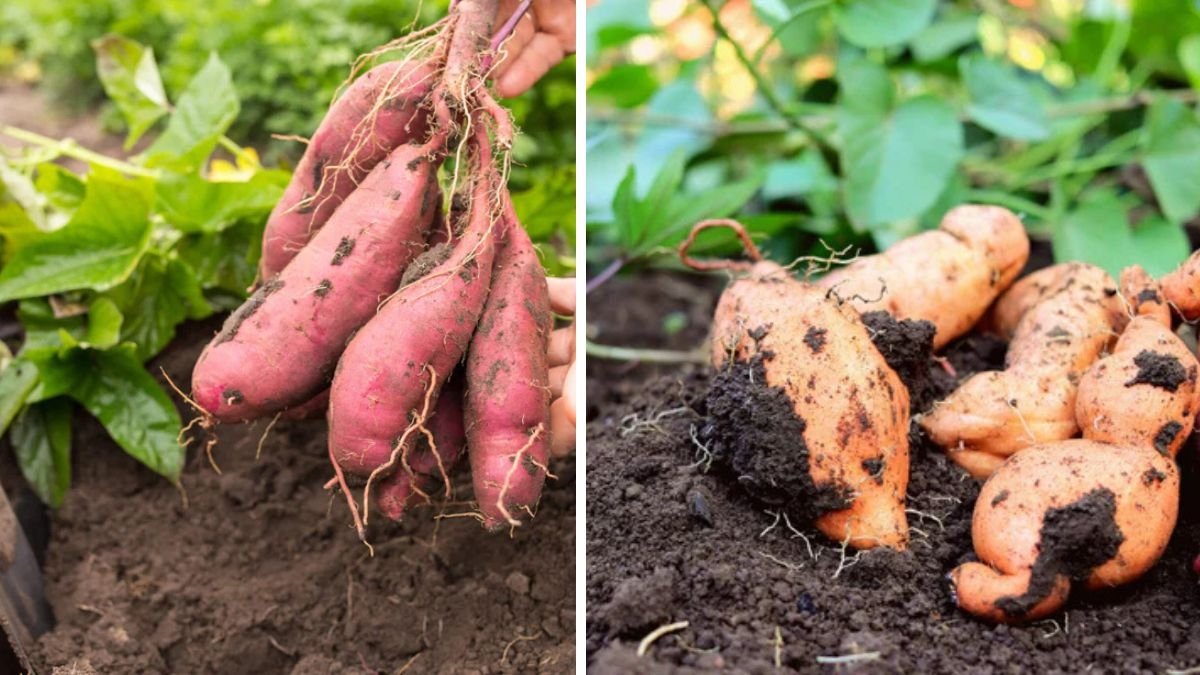
Sweet potatoes are one of the most nutritious and versatile root vegetables you can grow at home. Packed with fiber, vitamins, antioxidants, and natural sweetness, they are a favorite in kitchens around the world. The best part? Sweet potatoes are surprisingly easy to grow — even for beginners.
Whether you have a backyard garden, terrace, or just a few large containers, you can enjoy a bountiful harvest of fresh, chemical-free sweet potatoes.
In this complete guide, you’ll learn how to plant sweet potatoes step by step, from choosing the right variety to harvesting your own nutritious crop.
Why Grow Sweet Potatoes at Home?
Sweet potatoes are not only delicious but also incredibly healthy.
Health Benefits of Sweet Potatoes
- Rich in vitamin A and beta-carotene
- Supports eye health
- Boosts immunity
- Improves digestion
- Helps regulate blood sugar
- Naturally gluten-free
Homegrown sweet potatoes taste sweeter, fresher, and better than store-bought ones — and you know exactly how they were grown.
Understanding the Sweet Potato Plant
Sweet potatoes grow from slips, not seeds. Slips are young shoots that grow from a mature sweet potato.
The plant grows as a vine with heart-shaped leaves and spreads along the ground, producing tubers underground.
Best Climate for Growing Sweet Potatoes
Sweet potatoes love warm weather and sunshine.
Ideal Growing Conditions
- Temperature: 21°C to 32°C
- Sunlight: 6–8 hours of full sun
- Frost-free growing season
- Well-draining soil
They are perfect for tropical and subtropical climates, including most parts of India.
Choosing the Right Sweet Potato Variety
Some popular sweet potato varieties include:

- Orange-fleshed (most common)
- White-fleshed
- Purple-fleshed (high in antioxidants)
Choose disease-resistant varieties suitable for your region.
Preparing Sweet Potato Slips
How to Make Slips at Home
- Take a healthy sweet potato
- Cut it in half
- Place it half-submerged in water or soil
- Keep in warm, sunny place
- In 2–3 weeks, shoots will appear
- When shoots reach 6–8 inches, twist them off
These shoots are your planting slips.
Preparing the Soil
Sweet potatoes need loose, airy soil to grow well.
Ideal Soil Mix
- Sandy loam soil
- Rich in organic matter
- pH between 5.5 and 6.5
Add:
- Compost or vermicompost
- Sand or cocopeat
- Well-rotted manure
Avoid heavy clay soil which restricts tuber growth.
How to Plant Sweet Potato Slips
Step-by-Step Planting Guide
- Make raised beds or ridges
- Space slips 12–18 inches apart
- Bury slips 3–4 inches deep
- Keep leaves above soil
- Water immediately after planting
Plant during spring or early summer for best results.
Growing Sweet Potatoes in Pots
You can grow sweet potatoes easily in containers.
Best Pot Size
- At least 12–18 inches deep
- Wide grow bags or tubs
- Must have drainage holes
Use loose potting mix and place in full sun.
Watering Schedule
Sweet potatoes need regular watering, especially during early growth.
- First 2 weeks: Water daily
- Growing stage: Every 2–3 days
- Last 3 weeks before harvest: Reduce watering
Never allow soil to stay soggy.

Fertilizer and Nutrition
Feed your plants for healthy tuber development.
Best Fertilizer Plan
- Compost or vermicompost every 20 days
- Liquid seaweed or compost tea every 15 days
- Avoid too much nitrogen (leads to more leaves, fewer tubers)
Mulching for Better Yield
Mulch helps:
- Retain soil moisture
- Control weeds
- Maintain soil temperature
Use straw, dry leaves, or coconut husk.
Managing Pests and Diseases
Common pests:
- Sweet potato weevils
- Aphids
- Whiteflies
Use neem oil spray every 10–15 days.
Common diseases:
- Root rot
- Leaf spot
Ensure proper drainage and airflow.
When Do Sweet Potatoes Start Growing?
- Slips establish roots in 10–14 days
- Vines spread in 30–40 days
- Tubers form in 45–60 days
- Ready for harvest in 90–120 days
How to Harvest Sweet Potatoes
Sweet potatoes are ready when leaves turn yellow.
Harvesting Steps
- Stop watering 10 days before harvest
- Loosen soil carefully
- Dig gently with hands or fork
- Avoid damaging tubers
- Let them dry in shade
Handle gently — sweet potatoes bruise easily.
Curing Sweet Potatoes
Curing improves sweetness and shelf life.

How to Cure
- Keep harvested tubers in warm, dry place
- Temperature: 27–30°C
- Duration: 7–10 days
After curing, store in cool, dark place.
Storage Tips
- Do not refrigerate
- Store at 12–15°C
- Keep away from moisture
- Use ventilated baskets
Properly stored sweet potatoes last up to 6 months.
Tips for Maximum Harvest
- Use healthy slips
- Grow in raised beds
- Provide full sunlight
- Avoid overcrowding
- Control pests early
- Harvest at right time
Common Growing Mistakes
❌ Planting in heavy soil
❌ Overwatering
❌ Too much nitrogen fertilizer
❌ Harvesting too early
❌ Planting too close
Avoid these mistakes for a bigger harvest.
Final Thoughts
Growing sweet potatoes at home is easy, rewarding, and incredibly satisfying. With just a few slips, some sunlight, and proper care, you can enjoy a nutritious harvest that feeds your family naturally.
From planting to harvesting, sweet potatoes offer one of the best returns for home gardeners. Whether you grow them in your backyard or on your terrace, you’ll love watching those vines spread and uncovering golden treasures underground.

Leave A Comment