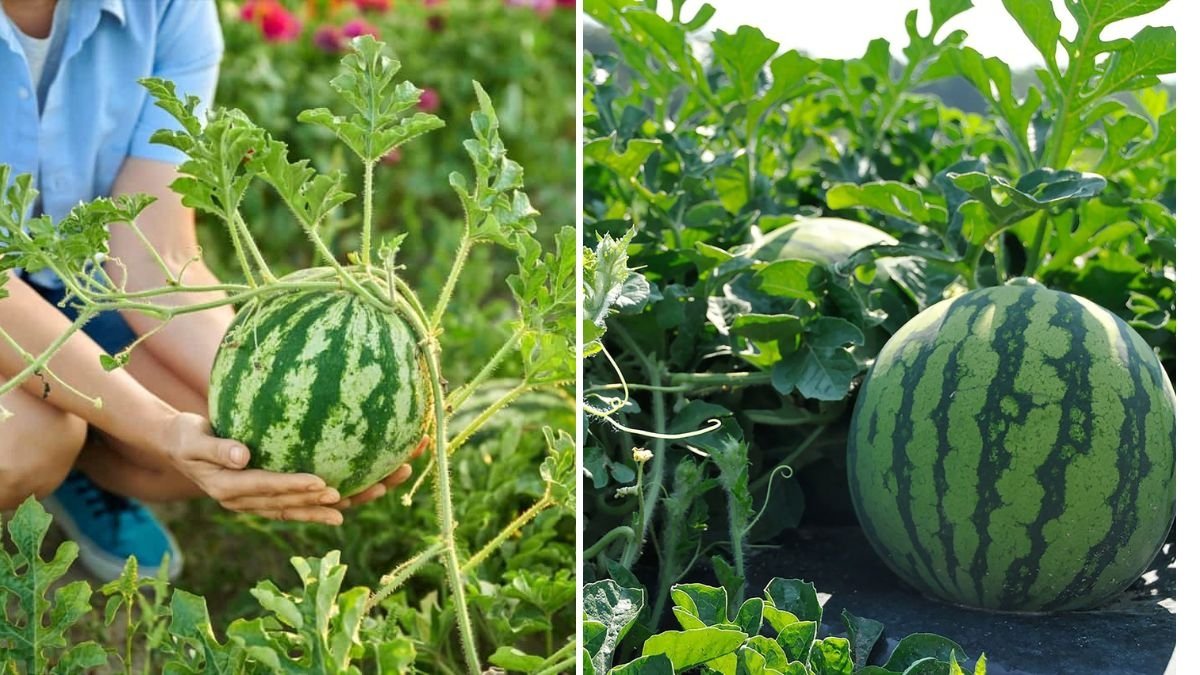
Seedless watermelons are the summertime favorite that everyone loves — crisp, juicy, and refreshingly sweet, all without the hassle of spitting out seeds. But have you ever wondered how seedless watermelons are grown? At the OSU Student Farm, students and researchers have mastered the art and science of producing these delicious fruits through sustainable methods and innovative growing techniques.
In this comprehensive guide, we’ll explore how seedless watermelons are cultivated — from seed selection and soil preparation to pollination, growth, and harvest. Whether you’re a home gardener or a farming enthusiast, the OSU Student Farm approach offers practical insights into growing your own seedless watermelons successfully.
The Science Behind Seedless Watermelons

Before diving into the growing process, let’s clear up the most common question: If seedless watermelons don’t have seeds, how do they grow?
The answer lies in plant genetics. Seedless watermelons are not genetically modified but are the result of natural hybridization.
Here’s how it works:
- A seedless watermelon is a triploid hybrid — it has three sets of chromosomes instead of the usual two.
- It’s created by crossing a tetraploid (4 sets of chromosomes) parent plant with a diploid (2 sets of chromosomes) parent plant.
- The offspring, having three sets, can grow and produce fruit, but the seeds are sterile — meaning they don’t develop fully, giving you that seedless texture.
However, because seedless plants are sterile, they still need help with pollination. That’s why growers, like those at OSU Student Farm, plant pollinator varieties (seeded watermelons) nearby to ensure proper fruit set.
Seed Selection: The Foundation of Quality

Growing seedless watermelons begins with selecting the right seeds. OSU Student Farm uses triploid hybrid seeds sourced from trusted agricultural suppliers. These seeds are more expensive than regular ones, but they guarantee high-quality, seedless fruit.
Common varieties include:
- ‘Crimson Sweet Seedless’ – known for its deep red flesh and crisp texture.
- ‘Sugar Baby Triploid’ – small and early-maturing, perfect for limited spaces.
- ‘Millionaire’ – a high-yielding hybrid with uniform fruits.
When starting your own patch, make sure to also purchase a diploid (seeded) variety such as ‘Charleston Gray’ or ‘Allsweet’ to serve as a pollinator. The ratio should be about one seeded plant for every three seedless plants.

Preparing the Soil

Watermelons thrive in well-drained, sandy loam soil with a pH between 6.0 and 6.8. Good soil preparation is crucial for vigorous growth and sweet, juicy fruit.
At OSU Student Farm, students begin by enriching the soil with organic compost and well-rotted manure, ensuring it’s rich in nutrients but not overly compacted.
Steps for preparing your soil:
- Test your soil for pH and nutrient levels. Adjust as needed with lime (to raise pH) or sulfur (to lower pH).
- Till the soil 8–10 inches deep to improve drainage and aeration.
- Incorporate compost or organic matter — about 2–3 inches per square foot.
- Form raised beds or mounds, as watermelons dislike soggy roots.
Proper soil preparation sets the stage for healthy vines and larger fruits.
Planting the Seedless Watermelon

Timing and temperature are everything when it comes to watermelons. These are warm-weather crops that need consistent heat and sunlight to thrive.
When to Plant
Wait until all danger of frost has passed and the soil temperature is at least 70°F (21°C). For most regions, this means late spring to early summer.
How to Plant
- Start Indoors: Seedless watermelon seeds are slow to germinate. OSU students often start them in a greenhouse 3–4 weeks before transplanting outdoors.
- Transplant Carefully: Seedless seedlings are delicate. Transplant them when they have 2–3 true leaves, avoiding root disturbance.
- Spacing:
- Space plants 3–4 feet apart in rows 6–8 feet apart to allow vines room to spread.
- Interplant pollinator (seeded) varieties among the seedless ones — for every three seedless, include one seeded plant.
- Mulch: Apply black plastic mulch or straw to retain moisture, suppress weeds, and warm the soil.
At OSU, biodegradable mulches are often used to promote sustainability while enhancing soil health.
Watering and Fertilizing

Watermelons need consistent moisture, especially during fruit set and growth, but they don’t like “wet feet.” The goal is to keep the soil moist but not waterlogged.
Watering Tips:
- Use drip irrigation to deliver water directly to the roots.
- Water deeply once or twice per week (about 1–2 inches each time).
- Reduce watering slightly once fruits begin to mature — this concentrates the sugars and improves sweetness.
Fertilizing Tips:
- Apply a balanced fertilizer (10-10-10) when planting.
- After vines start running, side-dress with nitrogen fertilizer or compost tea.
- Avoid over-fertilizing with nitrogen, which leads to excessive vine growth and fewer fruits.
At the OSU Student Farm, organic compost and natural fertilizers are preferred to maintain soil fertility without chemicals.

Pollination: The Secret to Fruit Formation
Even though seedless watermelons can’t produce seeds, they still need pollination to set fruit. Bees play a crucial role in transferring pollen from the seeded (diploid) plants to the seedless (triploid) flowers.
To encourage successful pollination:
- Plant pollinators in alternating rows or groups.
- Attract bees by planting pollinator-friendly flowers nearby.
- Avoid using pesticides during blooming, as they can harm pollinators.
If pollination is poor, fruits may be small or misshapen. At OSU, maintaining a healthy bee population on the farm ensures excellent pollination rates and high-quality fruit.
Growth and Maintenance
As the vines spread, regular maintenance ensures the plants stay healthy and productive.
Weed Control:
Use mulch to suppress weeds naturally. Avoid tilling near the roots once plants are established, as watermelon roots spread widely.
Pest Management:
Common pests include:
- Cucumber beetles – control with row covers or neem oil.
- Aphids – wash off with water or apply insecticidal soap.
- Squash bugs – handpick and remove eggs from leaves.
At OSU Student Farm, integrated pest management (IPM) techniques are used — combining biological controls, crop rotation, and habitat diversity to minimize pest impact.
Disease Prevention:
Watermelons can be prone to fungal diseases like powdery mildew or anthracnose. Ensure good airflow, avoid overhead watering, and remove infected leaves promptly.
Harvesting Seedless Watermelons
Knowing when your watermelon is ripe is both an art and a science. Harvest too early, and the flavor won’t develop; wait too long, and it may become overripe.

At OSU, students use several indicators to determine ripeness:
- Color of the Tendril: The small curly tendril nearest the fruit turns brown and dries when the melon is ready.
- Ground Spot: The part of the fruit resting on the soil changes from white to creamy yellow.
- Sound Test: A ripe watermelon gives a deep, hollow sound when tapped.
- Days to Maturity: Most seedless varieties take 85–100 days from transplanting.
Once harvested, handle the melons carefully to avoid bruising. Store them in a cool, dry place — they’ll last up to two weeks uncut, or several days once sliced and refrigerated.
Post-Harvest Care and Sustainability
At the OSU Student Farm, sustainability is as important as production. After harvest, leftover vines and plant material are composted and returned to the soil, completing a natural nutrient cycle. Cover crops like clover or rye are planted in the off-season to enrich the soil and prevent erosion.
For home growers, adopting similar sustainable practices not only benefits the environment but also improves soil health and long-term productivity.
Tips for Growing Perfect Seedless Watermelons at Home
- Start Early Indoors – Triploid seeds need warmth to germinate. Use a heat mat if necessary.
- Keep Soil Warm – Watermelons love heat; use black mulch to trap warmth.
- Control Weeds Early – Once vines spread, it’s difficult to remove weeds without damaging the plants.
- Encourage Bees – Avoid pesticide use during flowering; bees are your best allies.
- Harvest at Peak Ripeness – Watch for the dry tendril and yellow belly — the classic signs of a perfect melon.
Final Thoughts
The work being done at the OSU Student Farm showcases how modern agriculture can balance productivity, sustainability, and education. Their approach to growing seedless watermelons — combining scientific understanding with hands-on learning — is both inspiring and practical.
For gardeners and small-scale growers, the lessons are clear: with the right seeds, warm soil, good pollination, and sustainable care, you can enjoy your own harvest of sweet, crisp, seedless watermelons every summer.

Leave A Comment