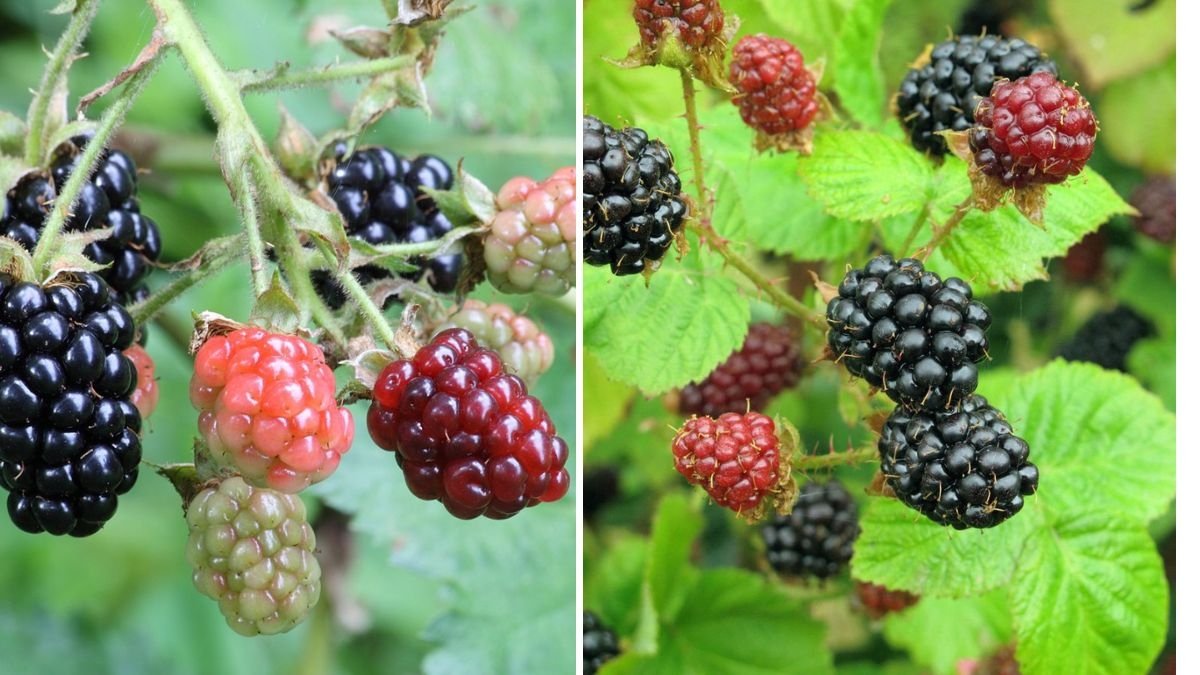
There’s something undeniably special about wild blackberries — their rich, sweet-tart flavor, resilience in tough conditions, and the nostalgic charm of picking them straight from the bramble. Unlike cultivated varieties, wild blackberries (Rubus fruticosus) grow naturally in many regions and require very little care to produce abundant, flavorful fruit. If you’re looking for a hardy, low-maintenance plant that rewards you year after year, wild blackberries are a perfect choice.
This guide will show you exactly how to grow, care for, and harvest wild blackberries with minimal effort — from planting and soil preparation to pruning, pest control, and propagation.
Understanding Wild Blackberries

Wild blackberries are native to many parts of North America, Europe, and Asia. They grow naturally along roadsides, forest edges, and open fields, thriving in places where other plants might struggle. What makes them so appealing is their adaptability — they can handle poor soil, dry spells, and minimal care, yet still produce large crops of delicious berries.
Wild blackberries spread through rhizomes (underground stems) and seed dispersal, which allows them to form dense thickets over time. Each plant produces long canes that live for two years:
- The first-year canes (primocanes) grow vigorously but don’t bear fruit.
- The second-year canes (floricanes) produce flowers and fruit, then die back.
Understanding this growth cycle is key to keeping your patch productive year after year.

Why Grow Wild Blackberries?
Before diving into how to grow them, it’s worth understanding why wild blackberries are worth your time:
- Low Maintenance: They require little watering or fertilizing once established.
- Hardy and Resilient: Wild blackberries can survive in poor soils and varying climates.
- High Yield: A mature patch can produce gallons of berries each season.
- Nutrient-Rich: Packed with vitamins C and K, fiber, and antioxidants.
- Pollinator-Friendly: Their flowers attract bees and beneficial insects.
- Natural Beauty: Their arching canes and blossoms add a rustic charm to the landscape.
With so many benefits and little maintenance required, wild blackberries are one of the easiest and most rewarding fruits to grow.
Choosing the Right Location

Wild blackberries are not picky, but they do have preferences that will help you get the best harvest.
- Sunlight: Full sun (6–8 hours daily) ensures maximum fruit production. They can tolerate partial shade but may produce fewer berries.
- Soil: They thrive in well-drained, slightly acidic soil with a pH between 5.5 and 6.5.
- Drainage: Avoid low-lying, soggy areas where water accumulates — standing water can cause root rot.
- Space: Blackberries spread quickly, so choose an area where they can grow freely without crowding other plants. A border, fence line, or field edge is ideal.
If you don’t want them to take over, plant them in a contained area or use a root barrier to control spreading.
Planting Wild Blackberries

You can grow wild blackberries from root cuttings, young plants, or even transplants taken from existing wild patches.
1. When to Plant
Plant in early spring or late fall, when the soil is cool and moist. Spring planting allows roots to establish before the summer heat.
2. How to Plant
- Dig holes about 12 inches deep and 2–3 feet apart in rows spaced 6–8 feet apart.
- Mix compost or organic matter into the soil to boost nutrients.
- Place each plant in the hole with the crown level with the soil surface.
- Backfill and water thoroughly.
- Apply a 2–3 inch layer of mulch around each plant to conserve moisture and suppress weeds.
If transplanting wild blackberry shoots, dig up a section of root with a few buds attached, replant it, and water well.
Watering and Fertilizing

Wild blackberries don’t need constant pampering, but a little attention to water and nutrients goes a long way.
- Watering: Keep the soil evenly moist during the first growing season. Once established, blackberries are drought-tolerant, but watering during dry periods helps boost fruit size and sweetness.
- Fertilizing: Use a balanced organic fertilizer or compost in early spring. Avoid excessive nitrogen, which encourages leafy growth rather than berries.
A slow-release fertilizer once per year is usually sufficient for established plants.
Pruning for Better Growth
Pruning is one of the few maintenance tasks wild blackberries benefit from — it improves airflow, reduces disease risk, and boosts productivity.
1. During the First Year:
Let the new canes grow freely. In midsummer, you can tip-prune (cut off the top few inches) of long canes to encourage branching.
2. After Fruiting:
Once the floricanes have fruited, cut them back to the ground. They will not produce again.
3. Early Spring Pruning:
Remove any weak, dead, or damaged canes, leaving about 4–6 healthy canes per plant. Tie them to a simple wire or trellis system to keep them upright and organized.
Regular pruning keeps the patch manageable and ensures high-quality berries.
Dealing with Pests and Diseases
Wild blackberries are naturally hardy, but they can still face a few problems. Here’s how to prevent and manage them naturally:
Common Pests:
- Aphids: Cause curling leaves; wash off with water or use neem oil.
- Japanese Beetles: Handpick or use organic traps.
- Spider Mites: Appear in hot, dry conditions; mist plants and introduce ladybugs.
- Birds: Netting or reflective tape can protect ripening berries.
Common Diseases:
- Anthracnose: Causes gray spots on canes; prune out infected parts and avoid overhead watering.
- Botrytis (Gray Mold): Affects ripening berries in humid conditions; ensure good airflow.
- Root Rot: Prevent by planting in well-drained soil.
Maintaining a clean garden, pruning regularly, and rotating locations every few years helps minimize issues naturally.
Harvesting Wild Blackberries
Harvest time is the most rewarding part of growing wild blackberries.
When to Harvest:
Berries are ready when they turn deep black, plump, and shiny. If they’re still red or purple, they’re not fully ripe. Fully ripe berries should pull away easily from the plant with a gentle tug.
How to Harvest:
- Pick in the morning when temperatures are cool.
- Handle gently to avoid bruising.
- Collect in shallow containers to prevent crushing.
A mature patch can produce fruit from late spring through early summer, depending on your region.
Storage:
- Store unwashed berries in the refrigerator for up to 3–5 days.
- Freeze extra berries on a tray, then transfer them to a freezer bag for long-term storage.
- Use in jams, pies, smoothies, or sauces.
Propagation: Expanding Your Patch
Wild blackberries spread naturally, but if you want to propagate them intentionally, it’s simple.
- Tip Layering: Bend a young cane down so the tip touches the soil. Cover it with a bit of soil, and roots will form within weeks. Cut it from the parent plant and transplant.
- Root Cuttings: In winter, dig up a root section about 6 inches long and replant it horizontally a few inches deep.
- Suckers: Dig up small shoots (suckers) that sprout near the base and replant them elsewhere.
With these methods, you can quickly expand your wild blackberry patch or share plants with friends.
Controlling Overgrowth
While their vigor is an advantage, wild blackberries can become invasive if not managed.
- Install a root barrier (like buried metal or plastic edging) to prevent spreading.
- Regularly mow or trim around the perimeter of your patch.
- Remove unwanted suckers promptly.
With minimal maintenance, you can enjoy a healthy, controlled patch that continues to thrive year after year.
Health Benefits of Wild Blackberries
Beyond their amazing flavor, wild blackberries are incredibly nutritious. Each handful is packed with:
- Antioxidants – Help fight inflammation and support overall health.
- Vitamin C – Strengthens immunity and promotes skin health.
- Fiber – Aids digestion and supports heart health.
- Manganese & Vitamin K – Important for metabolism and bone strength.
Their nutrient density makes them one of nature’s best “superfruits.”
Final Thoughts
Growing wild blackberries is the perfect combination of ease, reward, and natural beauty. With little effort, you can create a thriving patch that yields baskets of juicy, flavorful fruit each season.
All you need is a sunny spot, a little patience, and a willingness to let nature do most of the work. In return, wild blackberries will reward you year after year with sweet, antioxidant-rich berries — perfect for snacking, baking, or preserving.
So, plant your patch, watch it flourish, and get ready to enjoy one of the simplest and most satisfying fruits you can grow — wild blackberries, great fruit with little effort.

Leave A Comment