As spring unfolds in North Texas, gardens burst into life with color, fragrance, and fresh growth. For many home gardeners, one of the most exciting parts of the season is harvesting the first strawberries of the year. Among all the varieties that thrive in this region, Chandler strawberries stand out as one of the best choices — renowned for their sweetness, large berries, and reliable yield.
Harvesting Chandler strawberries in April marks not only the beginning of the fruit season but also a celebration of careful planning, patient nurturing, and nature’s generosity. In this guide, we’ll take a closer look at the journey from planting to harvest, explore why Chandler strawberries perform so well in North Texas, and share tips to ensure a bountiful and flavorful crop each year.
Meet the Chandler Strawberry: The Star of Early Spring
Developed by the University of California in the 1980s, the Chandler strawberry quickly became a favorite among both commercial growers and home gardeners. It’s a June-bearing variety, which means it produces a single, large crop of berries in the spring — perfect timing for an April harvest in North Texas.
Here’s why Chandler strawberries are loved by gardeners across warm regions:
- Large, sweet, and juicy fruits with a beautiful red color.
- High yields — one of the most productive varieties available.
- Excellent flavor — a perfect balance of sweetness and acidity.
- Adaptability to mild winters and warm springs.
- Strong plants that perform well in garden beds, raised beds, and containers.
These traits make Chandler strawberries ideal for the variable climate of North Texas, where spring temperatures fluctuate between cool mornings and warm afternoons.
Understanding the North Texas Strawberry Season
In North Texas, the strawberry-growing season typically begins in late fall or early winter, when gardeners plant dormant strawberry crowns. The cool months allow the plants to establish strong roots before spring arrives.
By March and April, temperatures warm up, and the plants burst into bloom. Soon after, bees and pollinators help set the fruit, and by mid to late April, it’s harvest time — one of the most rewarding moments of the gardening year.
The Chandler variety fits this timeline perfectly, producing its delicious harvest just as the weather turns pleasantly warm but before the intense heat of summer.
Preparing for a Successful Strawberry Harvest
If you want to experience an abundant April harvest like North Texas growers, preparation starts months before.
1. Choosing the Right Planting Site
Strawberries need full sun, at least 6–8 hours daily, to develop their signature sweetness. Choose a sunny, well-draining spot in your garden or raised bed. Avoid areas where water collects after rain, as strawberries dislike “wet feet.”
The soil should be rich in organic matter and slightly acidic (pH between 5.5 and 6.5). If your soil is heavy clay — common in North Texas — amend it with compost, sand, or peat moss to improve drainage.
2. Planting Time and Method
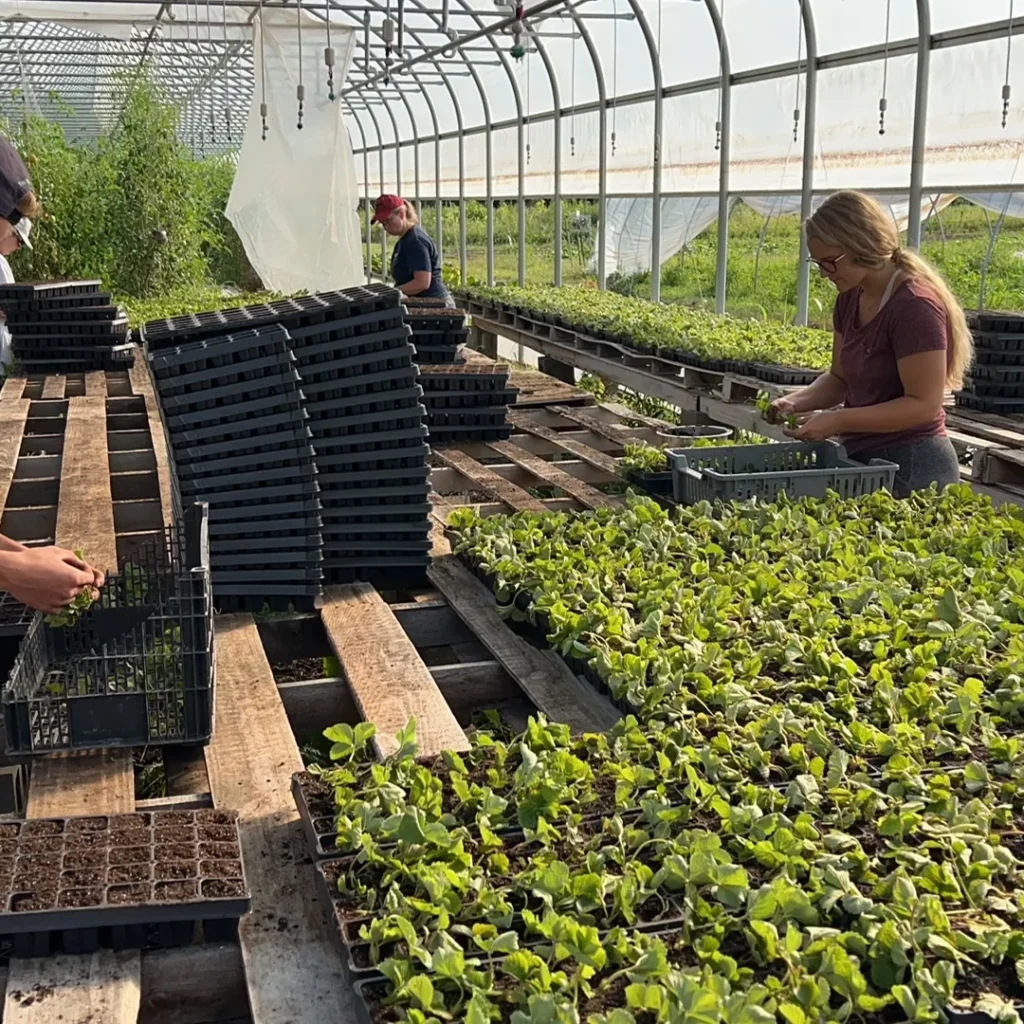
The ideal time to plant Chandler strawberries in North Texas is November through early January. This allows enough time for root development before spring fruiting.
When planting:
- Space plants about 12–18 inches apart in rows 2 feet apart.
- Set the crown (the point where leaves meet the roots) at soil level — not too deep or too shallow.
- Water thoroughly after planting and mulch to protect from cold snaps.
Caring for Chandler Strawberries Through the Season
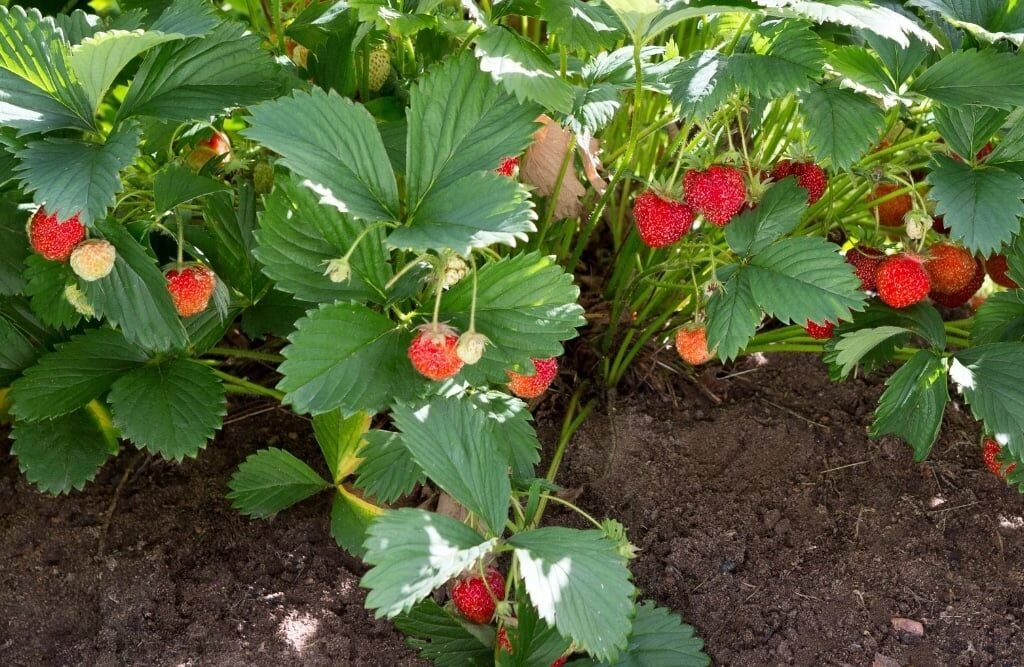
Once planted, proper care ensures that your strawberry patch thrives and rewards you with a generous spring harvest.
Watering
Consistent moisture is essential for fruit development. Water deeply once or twice a week, depending on rainfall. During dry spells, keep the soil evenly moist but never soggy. Drip irrigation or soaker hoses work best to prevent leaf diseases.
Fertilizing
In early spring, as new growth begins, feed your plants with a balanced organic fertilizer or compost tea. Avoid over-fertilizing with nitrogen — this can lead to excessive leaf growth at the expense of fruit.
Mulching
Apply straw mulch or pine needles around plants to:
- Keep fruit clean and off the soil.
- Maintain soil moisture.
- Suppress weeds.
- Regulate soil temperature during fluctuating spring weather.
Mulching also helps prevent soil-borne diseases and adds a classic “strawberry patch” look to your garden.
The Joy of April Harvest in North Texas
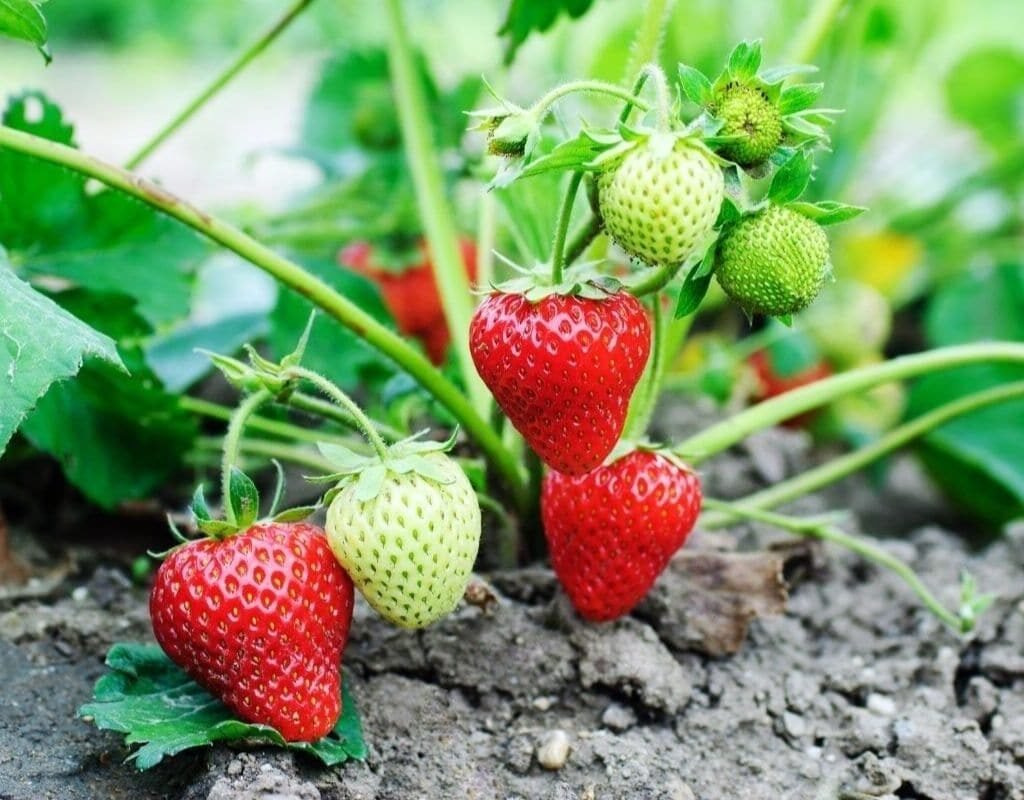
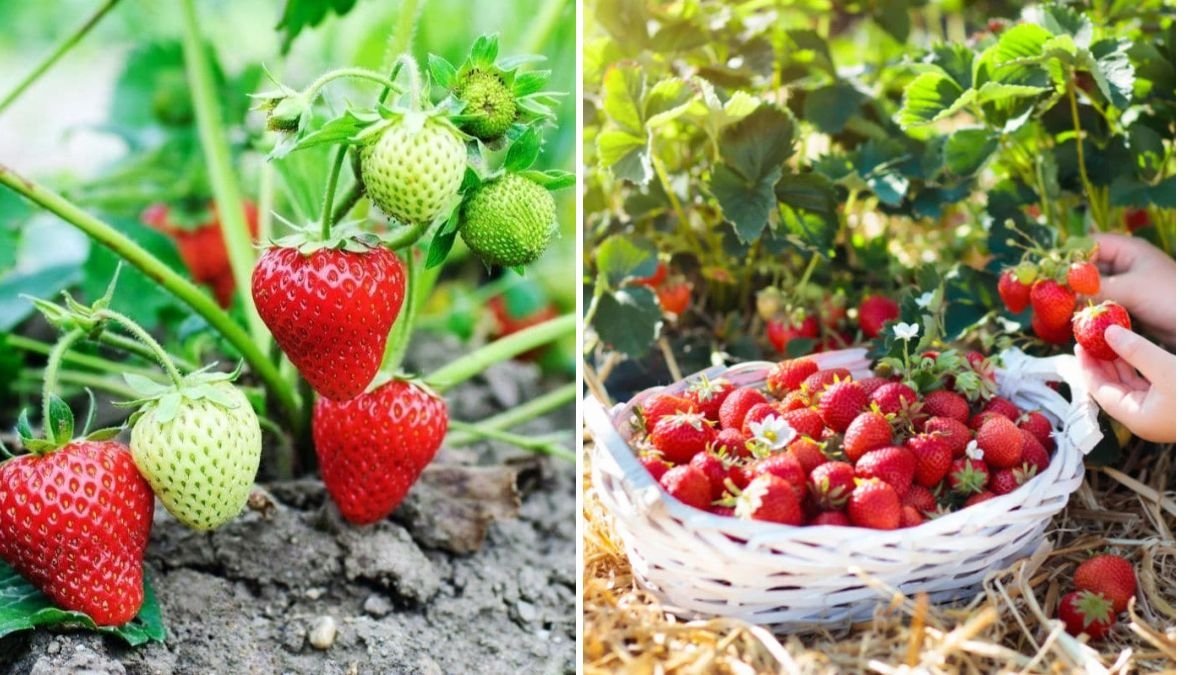
By early to mid-April, the excitement builds as the first red berries begin to appear. The Chandler variety produces large, heart-shaped strawberries that ripen evenly to a deep red.
Signs Your Strawberries Are Ready:
- Fully red color from tip to cap.
- Glossy sheen and plump appearance.
- Easy to pull from the stem with a gentle tug.
Avoid picking strawberries that are still partially white or green — they won’t ripen after harvest.
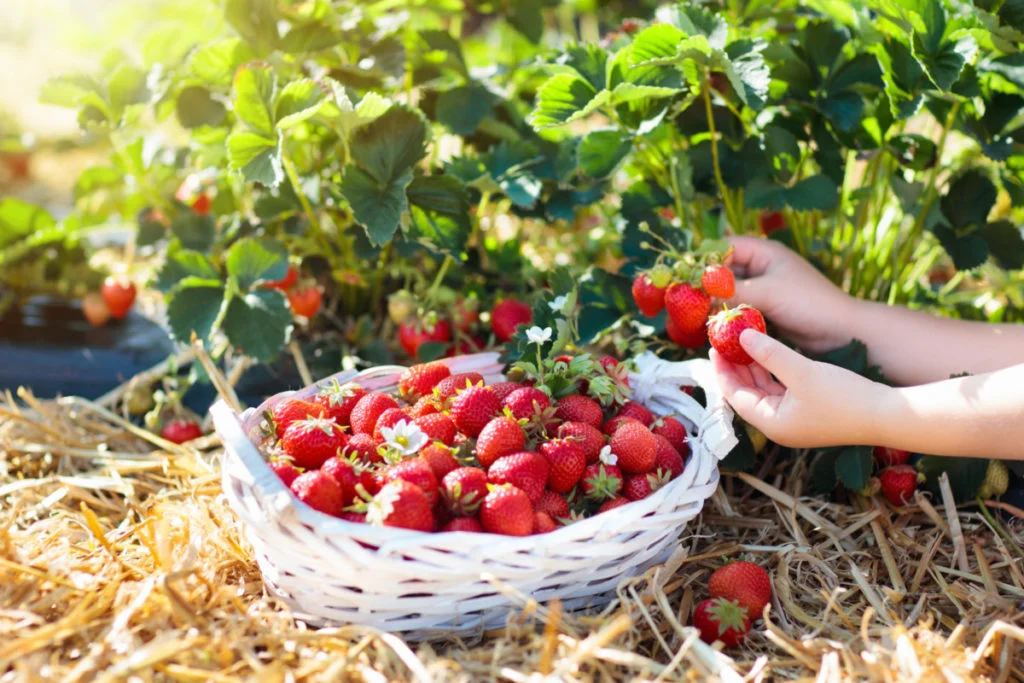
Harvest your berries early in the morning, when temperatures are cool, to preserve their flavor and texture. Use scissors or snip the stem instead of pulling the berry, as the delicate skin bruises easily.
Post-Harvest Care: Keeping Plants Productive
After your first Chandler strawberry harvest, your plants will still need attention to stay healthy for future seasons.
- Remove spent flower stalks after fruiting to direct energy into the roots.
- Trim old leaves to improve airflow and reduce disease risk.
- Fertilize lightly with compost to help plants recover after fruiting.
- Water regularly during dry months to keep plants alive through summer.
While Chandler strawberries are primarily spring producers, with proper care, the plants can continue to yield smaller flushes of fruit later in the season or set runners for next year’s plants.
Managing Pests and Diseases
The North Texas climate can sometimes encourage pests and diseases, especially during humid or rainy spells. Here’s how to protect your plants naturally:
- Birds: Use lightweight bird netting to keep them from snatching ripe berries.
- Aphids and spider mites: Spray with neem oil or a gentle insecticidal soap.
- Slugs and snails: Place copper tape or diatomaceous earth around plants to deter them.
- Fungal issues (like gray mold): Ensure good air circulation and avoid overhead watering.
Healthy, well-spaced plants and proper mulching go a long way toward preventing most problems.
Preserving and Enjoying Chandler Strawberries
Once harvested, Chandler strawberries don’t store as long as grocery-store varieties — but that’s because they’re bred for flavor, not shipping. Enjoy them fresh whenever possible.
If you find yourself with an abundance of berries (a common “problem” for successful gardeners!), here are some delicious ways to use them:
- Blend them into smoothies or milkshakes.
- Make homemade strawberry jam or preserves.
- Use them in pies, cakes, or tarts.
- Slice and freeze for later desserts or sauces.
To freeze strawberries: wash gently, remove the caps, and pat dry. Arrange in a single layer on a tray, freeze until solid, then transfer to freezer bags.
Why Chandler Strawberries Shine in North Texas
North Texas offers the ideal conditions for Chandler strawberries: mild winters, sunny springs, and moderate humidity. The plants appreciate cool weather for root growth followed by the long, bright days of spring that bring out the berries’ full sweetness.
Because Chandler strawberries are June-bearing, they focus their energy on one large, concentrated harvest — which often aligns perfectly with April or early May in this region. That means gardeners can enjoy an impressive yield of plump, aromatic fruit before summer’s heat sets in.
For those who love the taste of classic, juicy strawberries, the Chandler variety remains a timeless favorite and a reliable performer year after year.
Tips for a Bigger and Better Harvest Next Year
After harvesting, it’s the perfect time to think ahead:
- Propagate from runners: Chandler strawberries send out runners after fruiting. Peg them down into the soil to create new plants for next season.
- Rotate your beds: Avoid planting strawberries in the same spot year after year to prevent soil-borne diseases.
- Replenish mulch and compost: Feed your soil to keep it fertile and ready for next planting.
- Protect from summer heat: Use light shade or row covers to help plants survive Texas summers.
By caring for your strawberry patch even after harvest, you’ll set yourself up for another successful and even sweeter season next year.
Final Thoughts
Harvesting Chandler strawberries in April is one of the purest joys of gardening in North Texas. After months of preparation, watching your plants flower and finally seeing those bright red fruits ripen is deeply satisfying. The taste — sweet, slightly tangy, and bursting with freshness — makes every effort worthwhile.
Chandler strawberries embody everything a home gardener could want: beauty, productivity, and incredible flavor. With a bit of planning, proper care, and patience, you can enjoy your own early-spring strawberry harvests year after year.
So as April arrives, grab your basket, head to your garden, and savor the rewards of your work — your first Chandler strawberry harvest of the season, a taste of spring’s sweetness straight from the soil of North Texas.

Leave A Comment