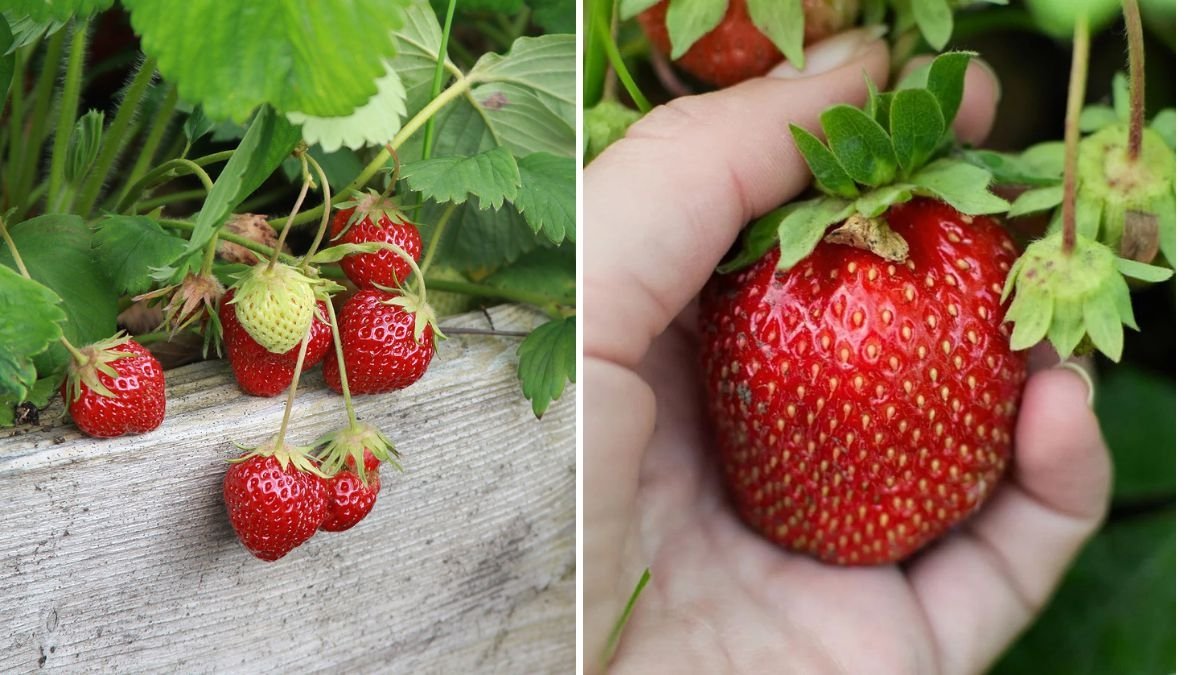
There’s nothing quite like the taste of a freshly picked strawberry — warm from the sun, bursting with sweetness, and fragrant in a way store-bought berries can never match. Growing your own strawberries at home is not only rewarding but also surprisingly easy when you follow the right steps. Among the many varieties available, Albion strawberries stand out as one of the best choices for home gardeners. Known for their large, glossy red berries and intense sweetness, Albion strawberries are everbearing, meaning they produce fruit from spring all the way through fall.
In this article, we’ll walk you through everything you need to know about growing sweet, flavorful strawberries and share how to achieve your first successful Albion harvest of the season.
Why Choose Albion Strawberries?
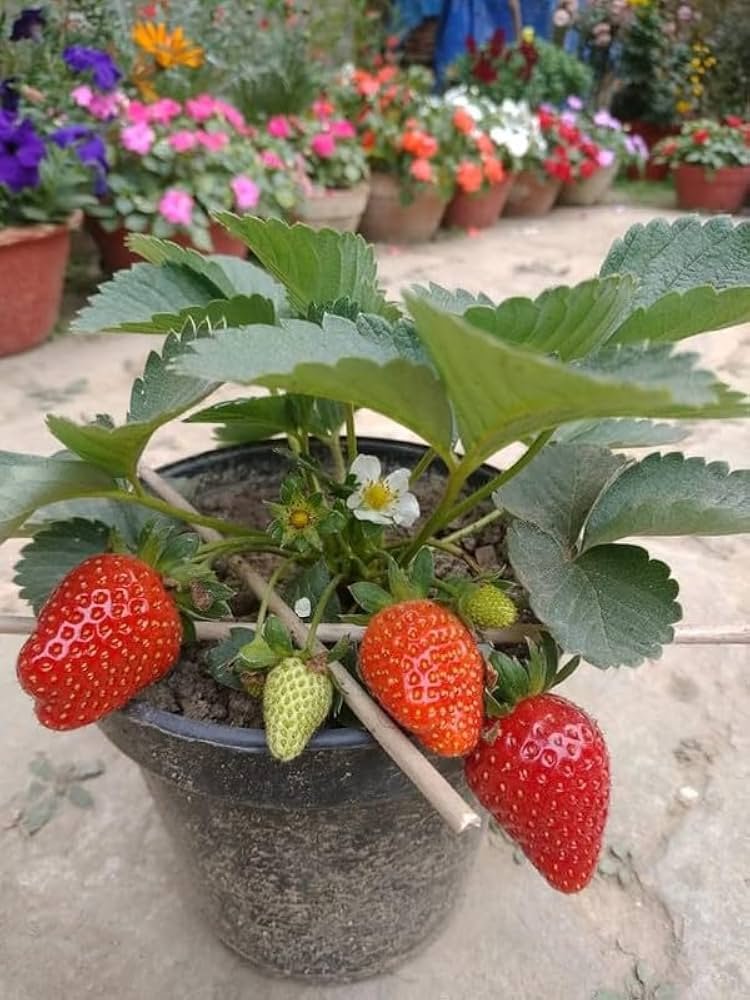
Albion is a modern day-neutral (everbearing) strawberry variety developed by the University of California. It’s prized for its exceptional flavor, firm texture, and impressive productivity. Unlike June-bearing varieties that produce a single large crop once a year, Albion strawberries yield fruit continuously during the growing season as long as temperatures stay moderate.
Here’s why gardeners love the Albion variety:
- Sweet, rich flavor: Albion strawberries are famous for their high sugar content and aromatic taste.
- Firm, glossy berries: Perfect for eating fresh, freezing, or using in desserts.
- Long harvest season: Produces fruit from late spring through fall.
- Disease resistance: Albion is known for its resistance to common strawberry diseases like verticillium wilt and Phytophthora crown rot.
- Adaptable: Grows well in both garden beds and containers.
If your goal is to enjoy fresh strawberries throughout the year, Albion is the variety you’ll want to plant.
Choosing the Right Location
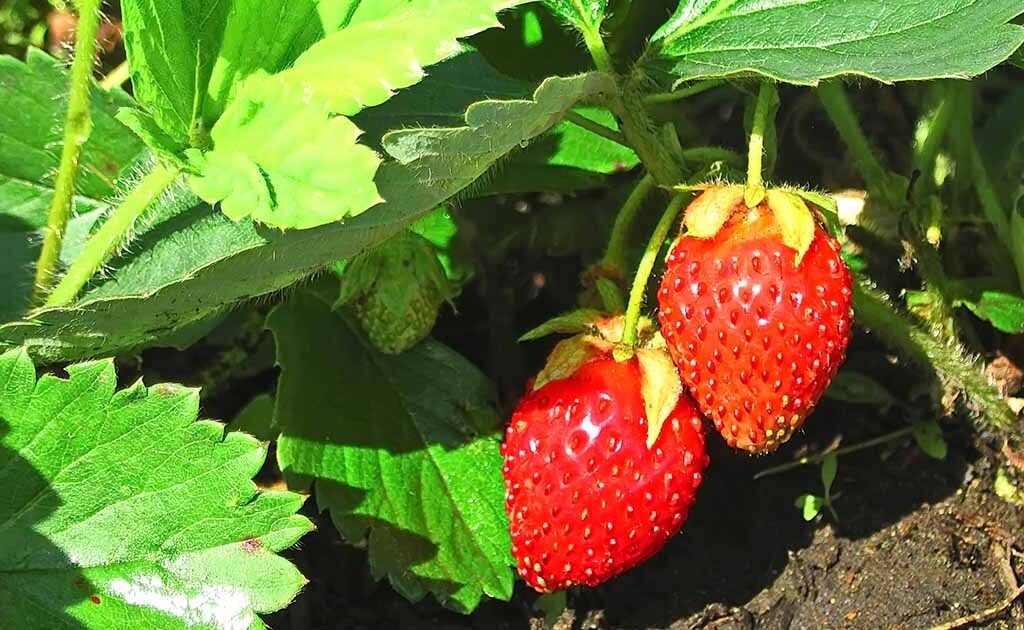
Strawberries love sunlight — and plenty of it. To get the sweetest fruit, choose a planting site that receives at least 6–8 hours of direct sunlight daily. The more sun your plants get, the sweeter and more flavorful your strawberries will be.
Your soil should be well-draining and rich in organic matter. Strawberries dislike standing water, which can cause root rot and fungal problems. A slightly acidic soil with a pH between 5.5 and 6.5 is ideal.
If your garden soil is heavy clay or tends to hold water, consider planting strawberries in raised beds or large containers. This helps improve drainage and makes it easier to manage soil quality.
Preparing the Soil
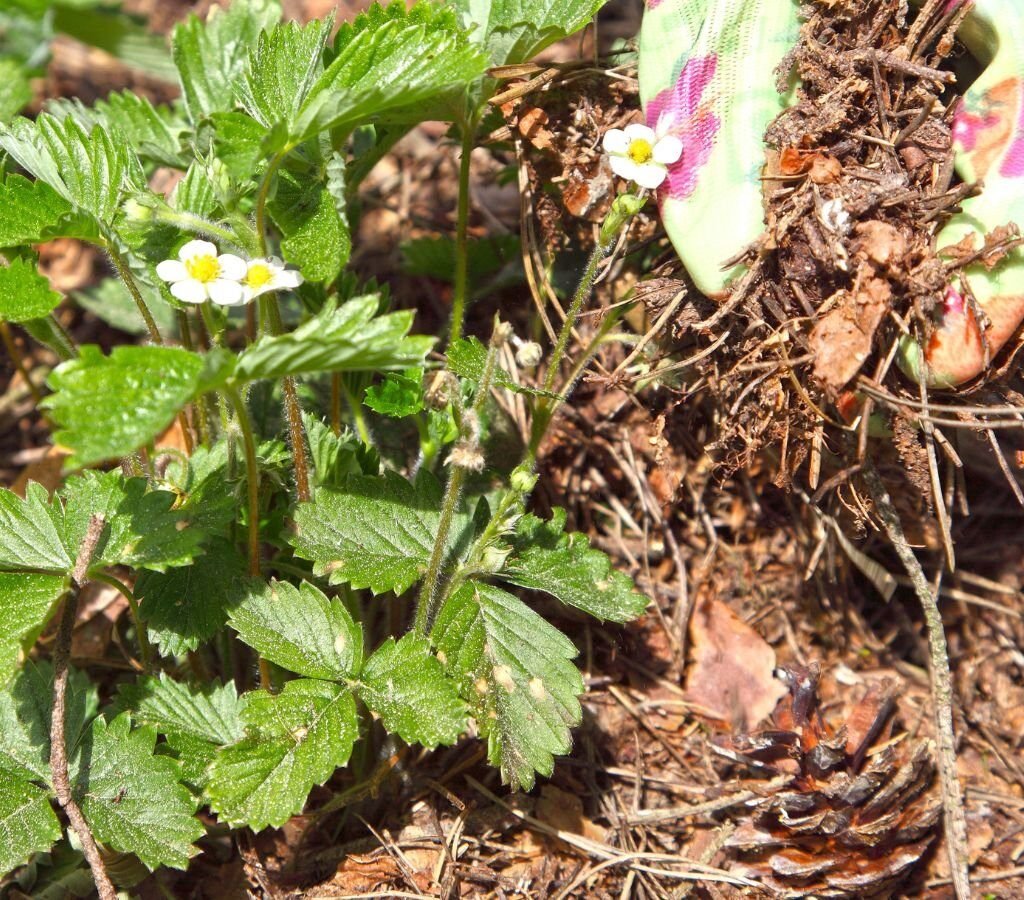
Healthy soil is the foundation of any great strawberry harvest. Before planting:
- Clear the area of weeds, rocks, and debris.
- Loosen the soil to a depth of 10–12 inches.
- Incorporate compost or well-rotted manure into the top layer to provide essential nutrients.
- Avoid planting strawberries where tomatoes, peppers, eggplants, or potatoes have grown in the past few years — these crops can carry diseases harmful to strawberries.
A nutrient-rich, aerated soil gives strawberry roots the perfect environment to grow strong and produce sweet, juicy berries.
Planting Albion Strawberries
The best time to plant Albion strawberries is in early spring, once the risk of frost has passed. You can also plant them in late summer or early fall in mild climates.
Planting Steps:
- Dig small holes deep enough to accommodate the roots without bending them.
- Place each plant about 12–18 inches apart in rows spaced 2 feet apart.
- Position the crown (the part where the leaves meet the roots) at soil level. If planted too deep, the crown may rot; too shallow, and the roots may dry out.
- Backfill with soil and firm it gently around the roots.
- Water thoroughly after planting to help the roots settle in.
If you’re planting in containers, choose a large pot with good drainage holes. A hanging basket or vertical planter is a great option for saving space while keeping fruit off the ground.
Watering and Feeding for Sweetness
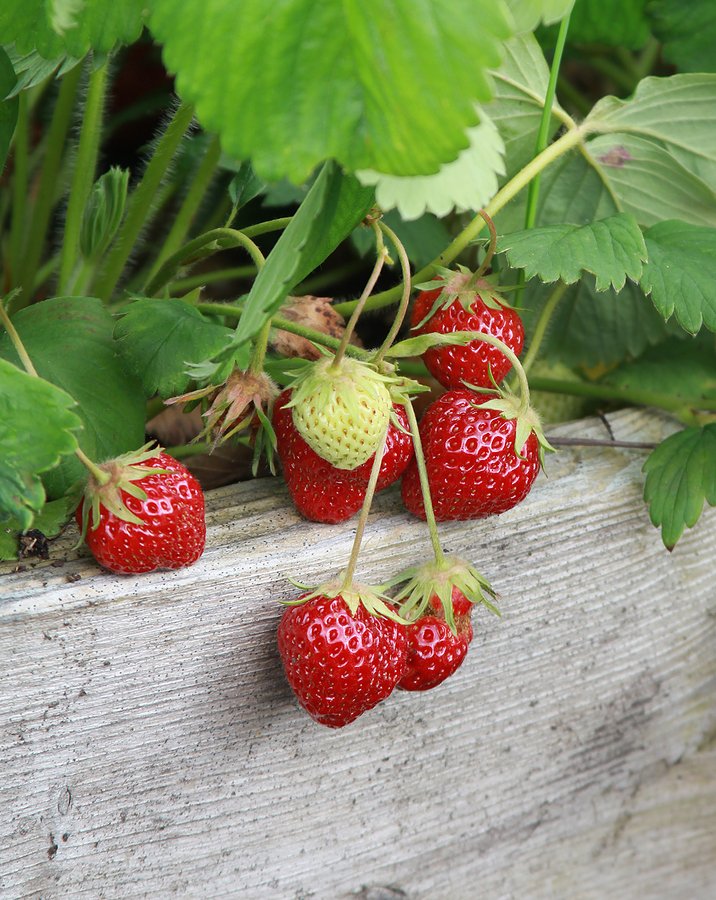
Consistent moisture is key to growing sweet, plump strawberries. Water your plants deeply 1–2 times per week, depending on weather conditions. During hot or dry periods, increase the frequency to keep the soil evenly moist but not soggy.
Avoid overhead watering, which can promote fungal problems. Instead, use a drip irrigation system or water at the base of the plants early in the morning.
To enhance sweetness and yield, feed your Albion strawberries with a balanced organic fertilizer or a low-nitrogen fruit fertilizer. Apply it at planting time and then every 4–6 weeks during the growing season. Too much nitrogen encourages leafy growth at the expense of fruit production, so moderation is key.
Mulching and Weed Control
Strawberries benefit greatly from a layer of mulch around the base of the plants. Mulching serves several purposes:
- Keeps fruit clean and off the soil.
- Retains moisture.
- Suppresses weeds.
- Regulates soil temperature.
Use straw, pine needles, or shredded leaves as mulch. Avoid heavy, compact materials that can trap too much moisture. Keep the mulch about 2 inches thick and a few inches away from the plant crown.
Pruning and Runner Management
Strawberry plants produce long stems called runners that grow new plantlets. While runners are useful for propagation, they can drain energy from fruit production.
During the first season, it’s best to remove runners to help the plant focus on establishing strong roots and producing larger, sweeter berries. Once your plants are mature and well-established, you can allow a few runners to root for future plantings.
Also, remove any dead or yellowing leaves to promote air circulation and reduce disease risk.
Pollination and Flower Care
Albion strawberries are self-pollinating, but pollinators like bees and butterflies can improve fruit set and size. Avoid using chemical sprays during flowering to protect these beneficial insects.
In the early stages of growth, you might consider removing the first few flowers. This encourages the plant to build stronger roots and results in better harvests later in the season.
Pests and Disease Prevention
Strawberries can attract a variety of pests, but with proper care, you can keep your plants healthy.
Common pests include:
- Slugs and snails: Use copper tape or organic traps to deter them.
- Aphids: Wash them off with water or spray with neem oil.
- Birds: Cover your plants with bird netting once fruit starts to ripen.
To prevent diseases, make sure your strawberries are planted in well-drained soil and spaced properly for good airflow. Avoid watering in the evening and remove any diseased leaves promptly.
Harvesting the First Albion Strawberries
The most exciting part of growing strawberries is, of course, the harvest! With Albion strawberries, you can expect your first fruits within 3 months of planting, depending on growing conditions.
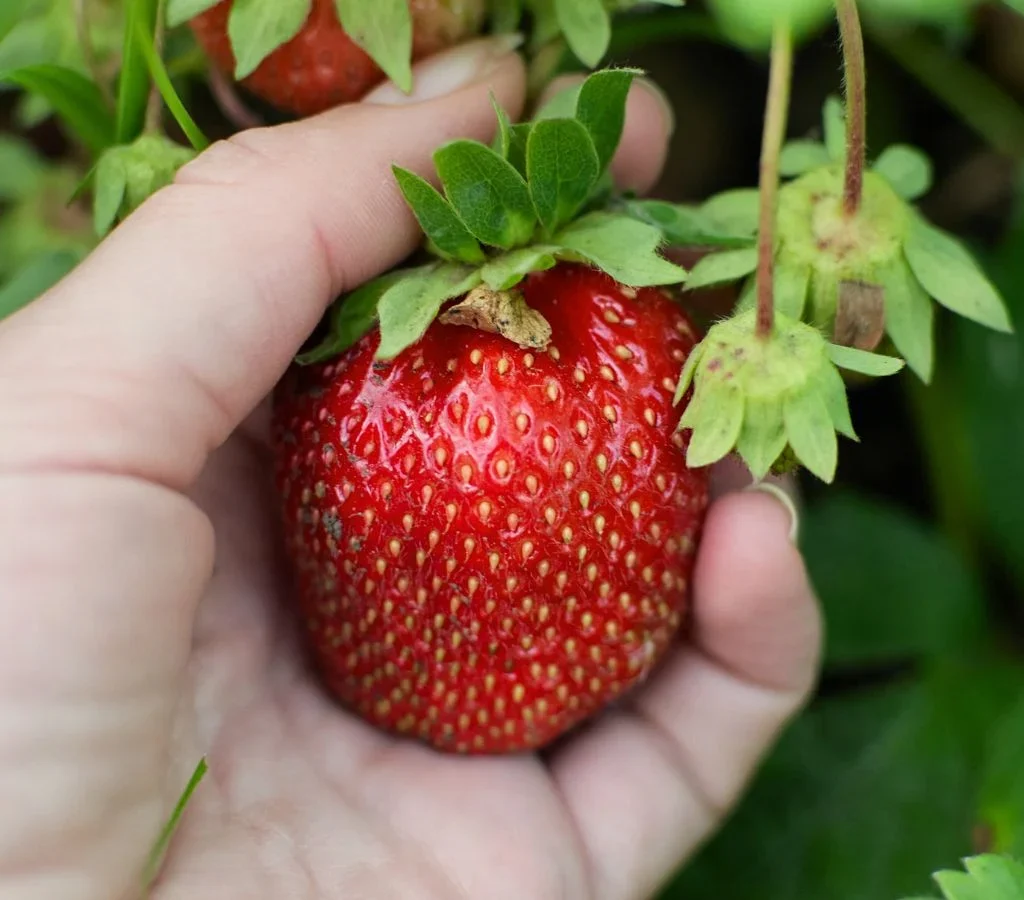
You’ll know your berries are ready when they’re fully red from top to bottom and give slightly when gently pressed. Don’t rush the harvest — strawberries do not continue to ripen once picked.
Use scissors or snip the stem to avoid bruising the fruit. Handle them carefully, as strawberries are delicate and can be easily damaged.
After harvesting, enjoy your Albion strawberries right away for the best flavor, or refrigerate them for up to 2–3 days. You can also freeze or dry them for long-term storage.
Encouraging Continuous Harvests
Since Albion strawberries are day-neutral, they’ll continue to produce flowers and fruit throughout the growing season. To keep the harvest going:
- Regularly remove old fruit and dead leaves to stimulate new growth.
- Fertilize lightly every month.
- Keep up with watering during dry spells.
- Protect plants from extreme heat with light shade cloth if necessary.
With proper care, you can enjoy multiple flushes of sweet, juicy strawberries from spring through fall.
Overwintering and Long-Term Care
Albion strawberries can last 2–3 years before needing replacement. In cold climates, protect plants over winter by covering them with straw mulch or frost cloth. In mild regions, they’ll continue growing slowly through the cooler months.
In early spring, remove winter mulch, clean up dead foliage, and apply fresh compost to prepare the plants for another fruitful season.
Final Thoughts
Growing Albion strawberries at home is one of the most satisfying gardening experiences you can have. With a bit of sunlight, regular watering, and some care, these resilient plants will reward you with a steady supply of sweet, juicy berries all season long.
From preparing the soil to savoring your first harvest, every step brings you closer to that unforgettable taste of freshly picked, homegrown strawberries — a reward that no store-bought berry can match.
So whether you’re tending a backyard patch, balcony planter, or raised bed, now’s the perfect time to start your own strawberry adventure. Before you know it, you’ll be enjoying your very own first Albion harvest of the season — fresh, fragrant, and full of homegrown sweetness

Leave A Comment