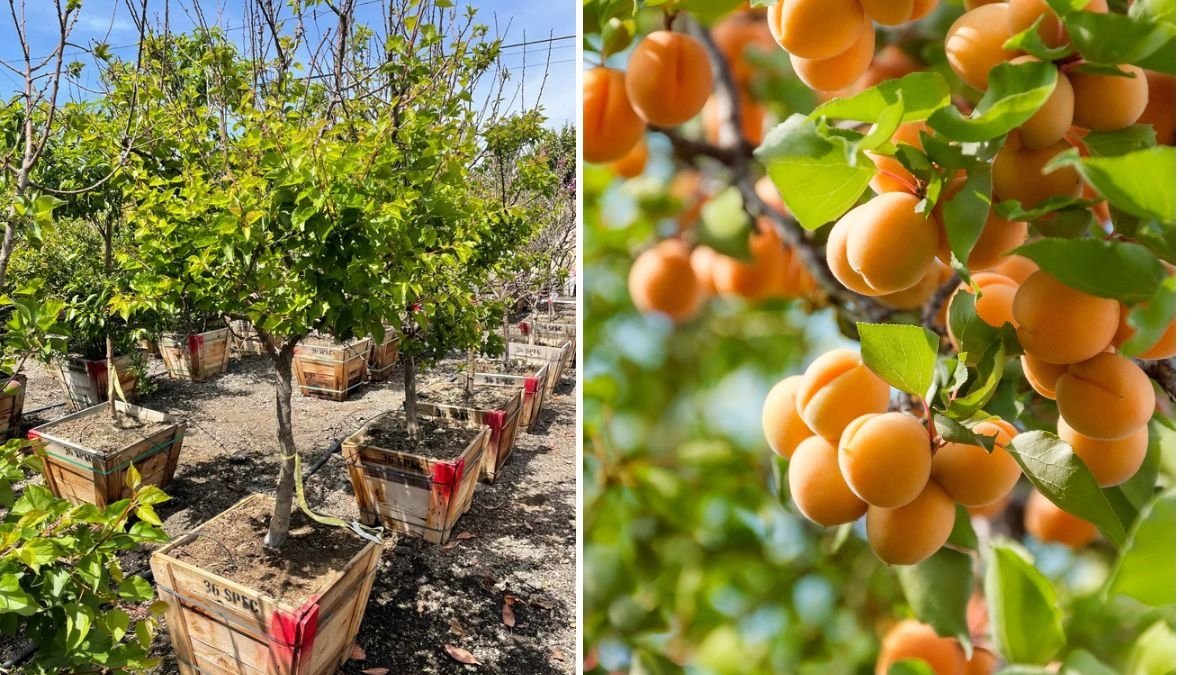
If you’ve ever dreamed of growing your own sweet, fragrant apricots at home, planting a Blenheim apricot tree is one of the best decisions you can make. Known for its incredible flavor, aromatic flesh, and versatility, the Blenheim apricot has long been considered the gold standard of apricots for both fresh eating and drying. Whether you’re an experienced gardener or a beginner looking to expand your home orchard, learning how to plant and care for this tree properly will reward you with years of delicious harvests.
In this detailed guide, we’ll walk you through everything you need to know about planting and nurturing a Blenheim apricot tree — from site selection and soil preparation to care, pruning, and harvesting.
The Story Behind the Blenheim Apricot
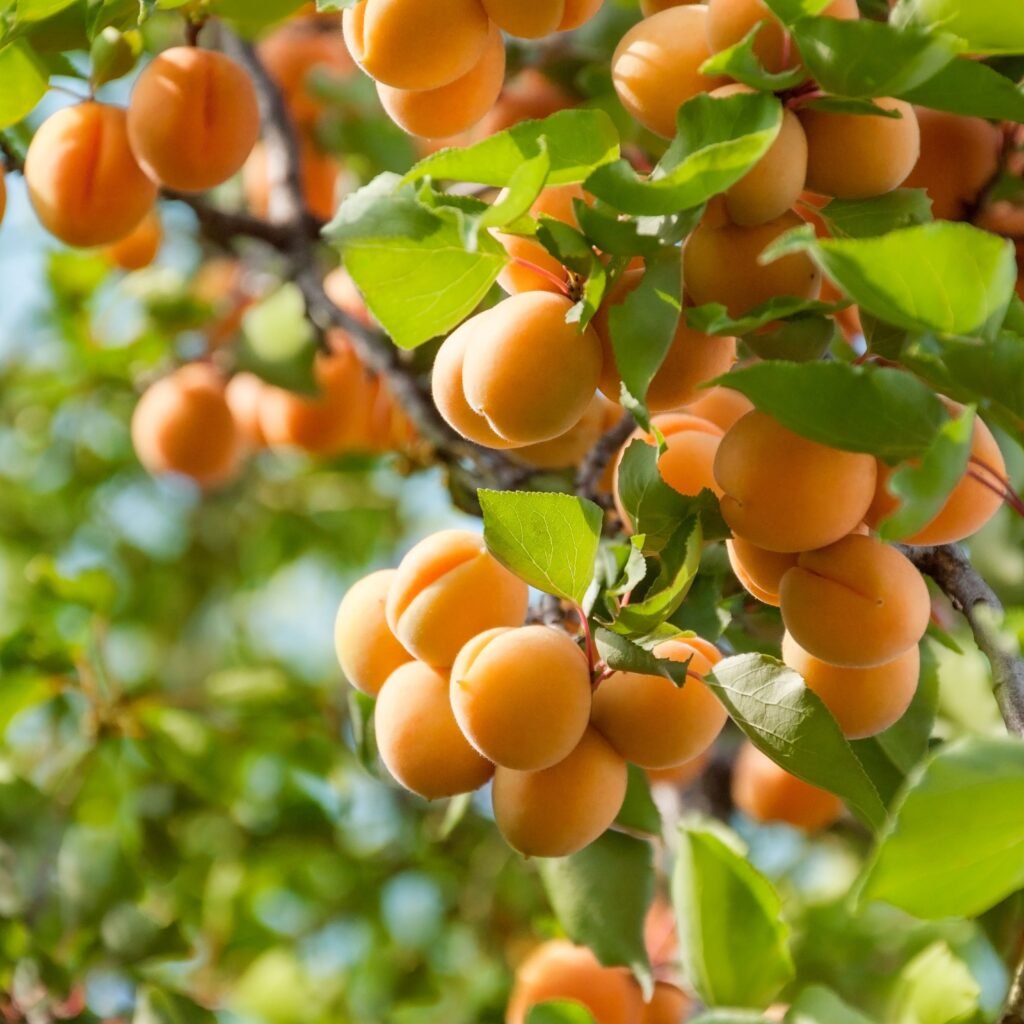
Before diving into the planting process, it’s worth appreciating the heritage of the Blenheim apricot. This variety originated in England in the early 1800s and quickly became prized for its complex flavor profile — a perfect balance of sweetness and tartness with a distinct floral aroma. In California, the Blenheim (also known as the Royal Blenheim) became the dominant apricot variety for decades due to its ideal adaptation to warm, dry climates and its suitability for drying into golden-orange halves.
Although commercial growers have since shifted to varieties with longer shelf lives, home gardeners still treasure Blenheim apricots for their unmatched taste and reliable productivity.
Choosing the Perfect Planting Site
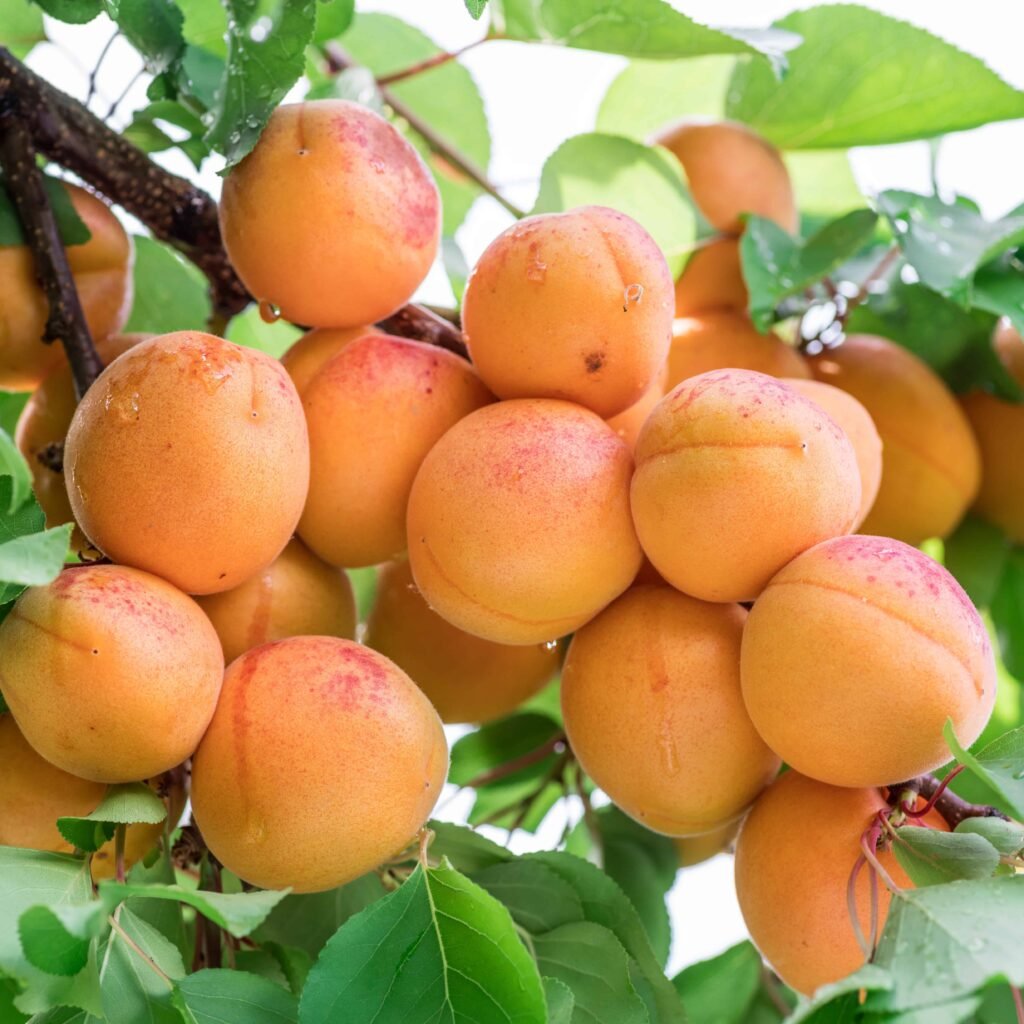
Blenheim apricot trees thrive best in full sun, where they can receive at least 6 to 8 hours of direct light per day. Sunlight is crucial for developing the tree’s sweet fruit flavor and promoting healthy growth.
Here’s what to look for when choosing a location:
- Good Air Circulation: Apricots are somewhat prone to fungal issues, so an open, breezy spot helps reduce humidity around the tree.
- Well-Draining Soil: Apricots dislike waterlogged soil. Sandy loam or loamy soil with excellent drainage is ideal.
- Slight Elevation: If possible, choose a slightly elevated location to help cold air drain away, reducing the risk of frost damage to early blossoms.
If you live in an area with cold winters, make sure your planting site receives plenty of winter sun and is protected from strong winds.
When and How to Plant a Blenheim Apricot Tree
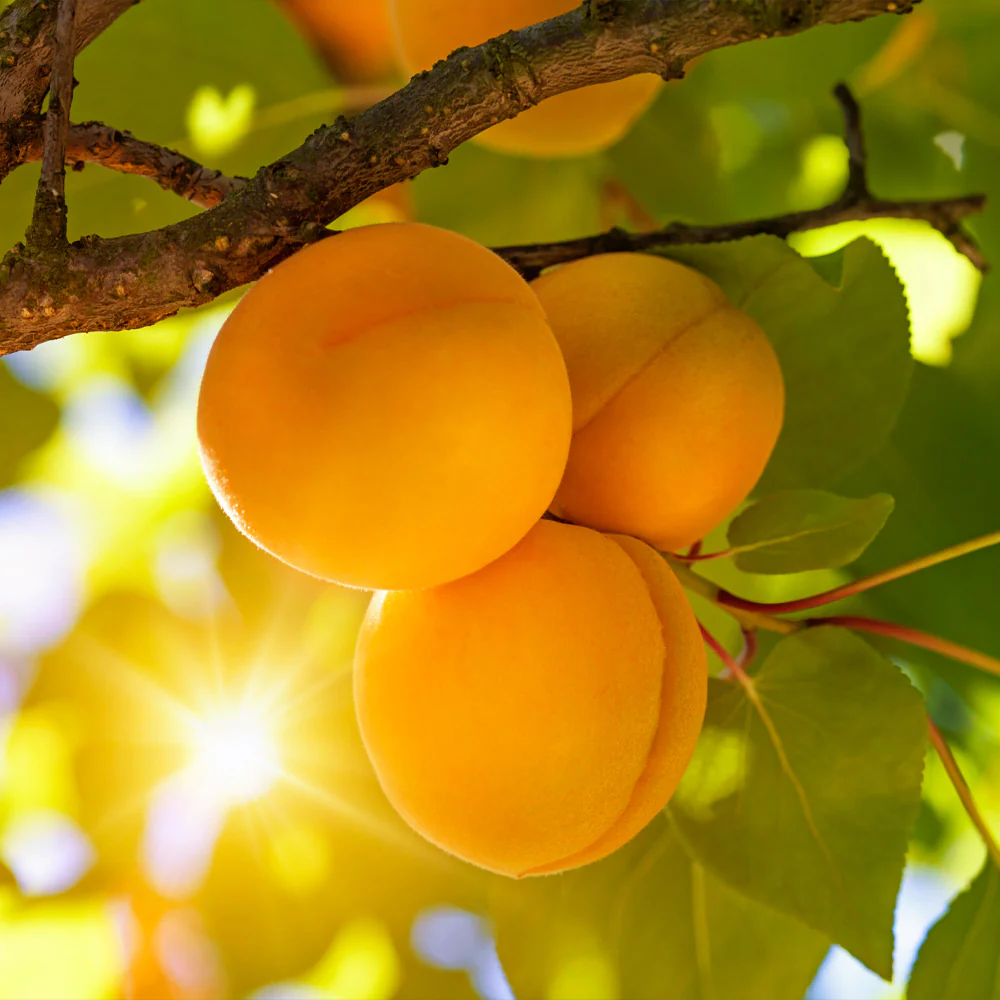
The best time to plant an apricot tree is during late winter to early spring, when the tree is still dormant. This gives the roots time to establish before the growing season begins.
Step 1: Prepare the Soil
Start by loosening the soil about 2–3 feet deep and wide. Remove weeds, stones, and any debris. Mix in plenty of organic compost or well-rotted manure to enrich the soil with nutrients. Apricots prefer slightly alkaline to neutral soil (pH 6.5–7.5).
Step 2: Dig the Hole
Dig a planting hole that’s roughly twice the width of the root ball and slightly shallower than its height. This helps the roots spread easily into the surrounding soil.
Step 3: Position the Tree
Place the tree in the center of the hole, ensuring the graft union (the bulge where the rootstock meets the trunk) sits about 2 inches above ground level. This prevents rot and discourages suckers from growing.
Step 4: Backfill and Water
Backfill the hole with the enriched soil, gently firming it down to remove air pockets. Water thoroughly after planting to help settle the soil around the roots.
Step 5: Mulch and Support
Apply a 2–3 inch layer of mulch around the base, keeping it a few inches away from the trunk to avoid rot. Mulch helps retain moisture and regulate soil temperature. Stake young trees if needed to protect them from strong winds.
Watering and Feeding Your Blenheim Apricot Tree
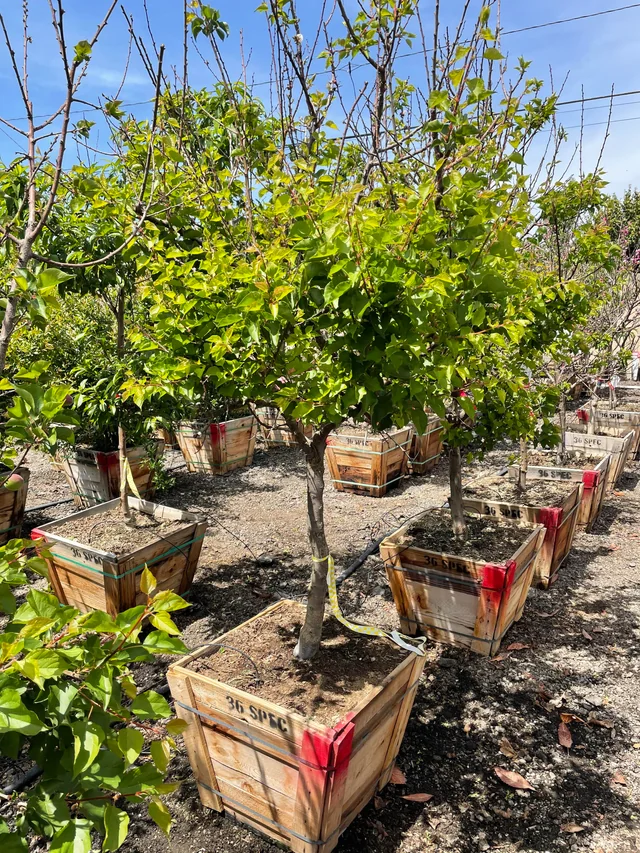
During the first year, consistent watering is essential. Water deeply once a week, allowing the soil to dry slightly between watering. Once established, Blenheim apricots are relatively drought-tolerant but will produce juicier fruits with regular watering during the growing season.
Avoid overwatering, as soggy roots can lead to root rot or fungal diseases.
For feeding, apply a balanced organic fertilizer (such as 10-10-10) in early spring before new growth begins. Once the tree starts fruiting, a light application of compost or a fertilizer with a slightly higher potassium content helps improve fruit quality.
Pruning and Shaping for Healthy Growth
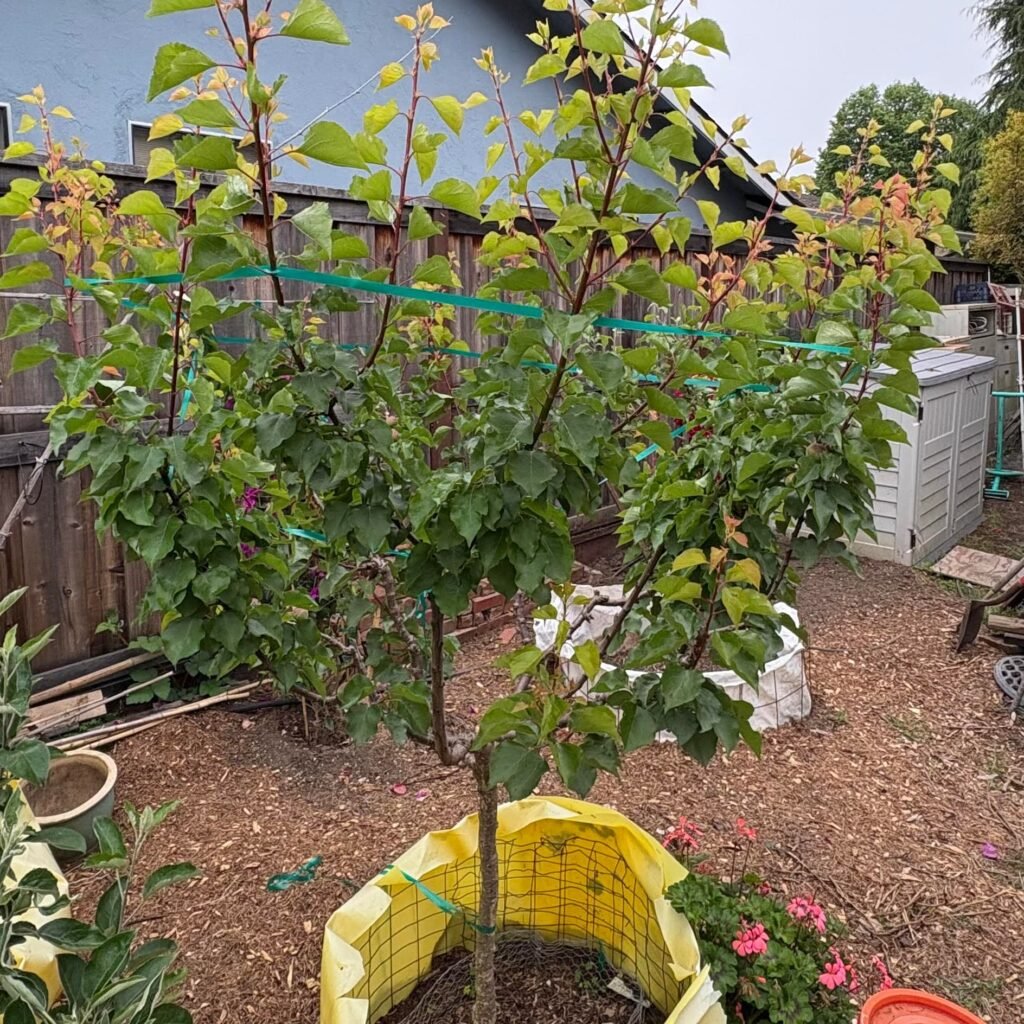
Pruning is one of the most important aspects of maintaining a productive Blenheim apricot tree. Apricots tend to produce fruit on two-year-old wood, so pruning must encourage new growth while keeping the canopy open for light and air circulation.
Key Pruning Steps:
- Initial Training: When young, shape the tree into an open-center or vase form with 3–4 main branches. This structure allows sunlight to reach all parts of the tree.
- Annual Pruning: In late winter, remove dead, diseased, or crossing branches. Thin out crowded areas to prevent disease and improve fruit quality.
- Post-Harvest Pruning: Lightly trim back excessive new shoots in summer to maintain a manageable shape.
Regular pruning also prevents overbearing — which can lead to small fruits or limb breakage.
Pollination and Fruit Production
Most Blenheim apricot trees are self-fertile, meaning they can set fruit without another tree nearby. However, planting a second apricot variety such as Moorpark or Tilton can sometimes increase yield and improve pollination rates.
The tree typically starts producing fruit 3 to 4 years after planting, with full production achieved by year 5 or 6.
Protecting Your Tree from Pests and Diseases
While Blenheim apricots are hardy, they can be affected by a few common pests and diseases:
- Aphids: These small insects can damage leaves and new growth. Use neem oil or insecticidal soap as an organic control.
- Brown Rot: A fungal disease that affects flowers and fruit. Prune regularly for good airflow and remove any mummified fruits after harvest.
- Gummosis: Caused by stress or disease, this condition leads to sap oozing from the bark. Avoid injuring the tree and maintain good soil health.
Birds are also fond of ripe apricots, so consider using bird netting or reflective tape to protect your harvest.
Harvesting and Enjoying Blenheim Apricots
Blenheim apricots typically ripen in mid to late summer, depending on your climate. The fruits are ready to harvest when they turn a deep golden-orange and yield slightly to pressure. Unlike some supermarket varieties, Blenheim apricots are best when fully ripened on the tree, where they develop their rich, honeyed flavor.
Fresh Blenheim apricots are perfect for eating out of hand, but they’re also excellent for making jams, preserves, pies, or dried snacks. Their naturally high sugar content and aromatic flesh make them one of the most versatile stone fruits in the garden.
Winter Care and Longevity
In colder regions, protect young trees from frost by wrapping the trunk with tree guards or using burlap. Mature trees can tolerate brief periods of cold, but frost during flowering can reduce yields.
Blenheim apricot trees, when well cared for, can live and bear fruit for 20 years or more, making them a long-term investment in your home orchard’s success.
Final Thoughts
Planting a Blenheim apricot tree is more than just adding another fruit tree to your yard — it’s growing a piece of history and a source of sweet, sun-ripened joy. With the right care, soil preparation, and attention to pruning, you can enjoy years of fragrant blossoms and bountiful harvests.
From its heritage flavor to its beauty in bloom, the Blenheim apricot truly earns its title as one of the best apricot varieties for home gardeners. So roll up your sleeves, find the perfect sunny spot, and start your journey toward enjoying your very own Blenheim apricot harvest!

Leave A Comment