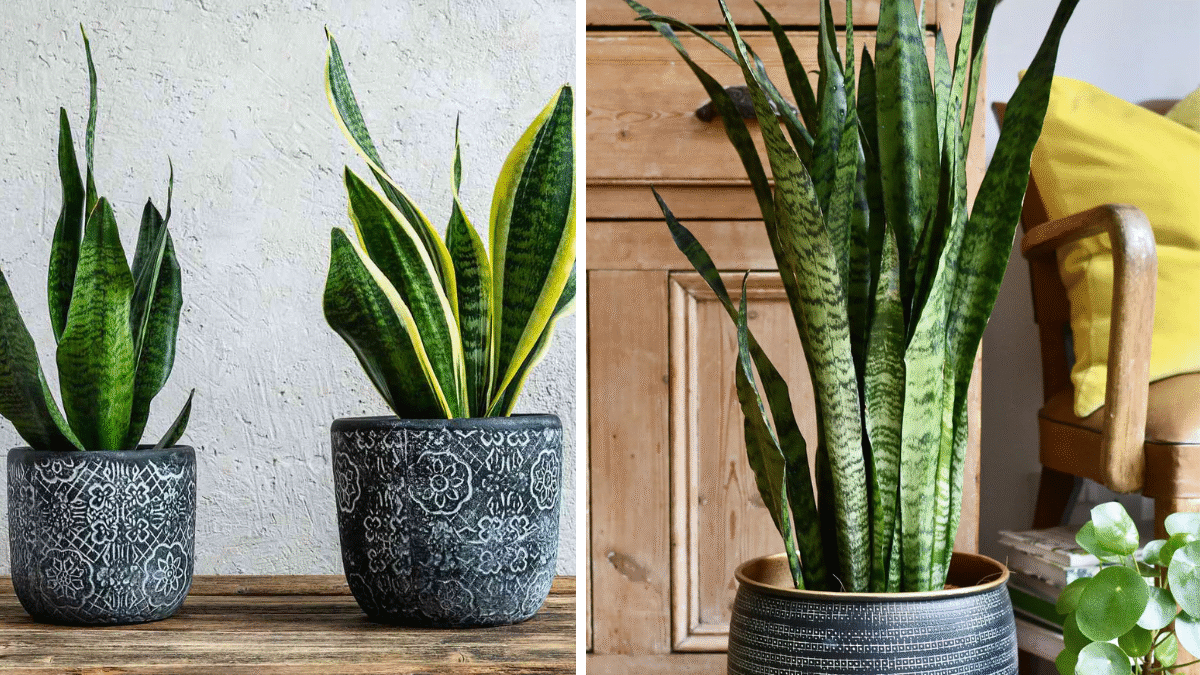
Snake plants (also known as Sansevieria or Dracaena trifasciata) are among the most popular indoor plants—and for good reason. They’re incredibly tough, thrive on neglect, and adapt to almost any indoor environment. But despite their low-maintenance reputation, the one thing that can make or break your snake plant’s health is watering. Too much water leads to root rot, while too little—although often tolerated—can slow down growth.
If you want your snake plant to stay healthy, upright, and vibrant, understanding the perfect watering routine is essential. This complete guide explains exactly how often to water it, how to check soil moisture, seasonal adjustments, signs of overwatering and underwatering, and pro tips to keep it thriving year-round.
How Often Should You Water a Snake Plant?
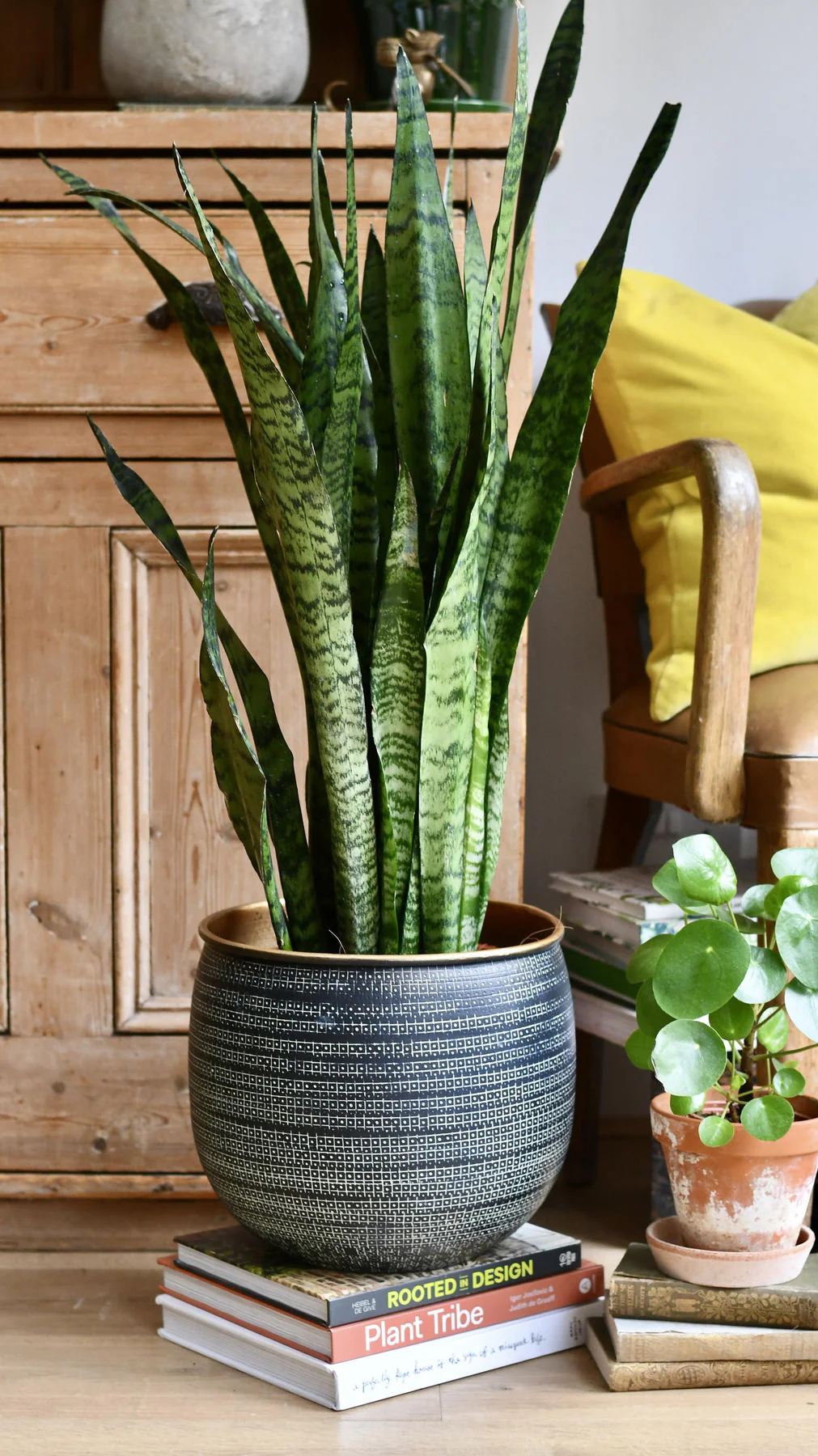
The simple rule: Water your snake plant every 2–6 weeks, depending on conditions.
Snake plants store water in their thick, fleshy leaves, making them drought-tolerant. They prefer their soil to dry out completely between waterings.
Here’s a more precise breakdown:
Watering Frequency Based on Conditions
| Environment | How Often to Water |
|---|---|
| Low light indoors | Every 4–6 weeks |
| Medium to bright indirect light | Every 2–4 weeks |
| Warm weather or outdoor conditions | Every 1–2 weeks |
| Cold seasons (winter) | Every 6–8 weeks |
Remember: these are general guidelines. Your plant’s actual watering schedule depends on your specific home environment.
The Golden Rule: Let the Soil Dry Out Completely
The number one mistake snake plant owners make is watering too quickly before the soil has dried.

To avoid this:
Always check the soil moisture first.
- Insert your finger 2–3 inches deep into the soil.
- If it feels completely dry, it’s time to water.
- If it feels even slightly moist, wait another few days.
Alternatively, a moisture meter can give precise readings—ideal for beginners.
How to Water a Snake Plant Properly
It’s not just how often you water; it’s also how you water that matters.
Correct Watering Method
- Water the soil directly (avoid pouring water on the leaves).
- Water until excess drains out from the pot’s drainage holes.
- Empty any water collected in the saucer immediately.
Snake plants hate “wet feet.” Standing water causes roots to rot quickly.
How Light Affects Watering Frequency
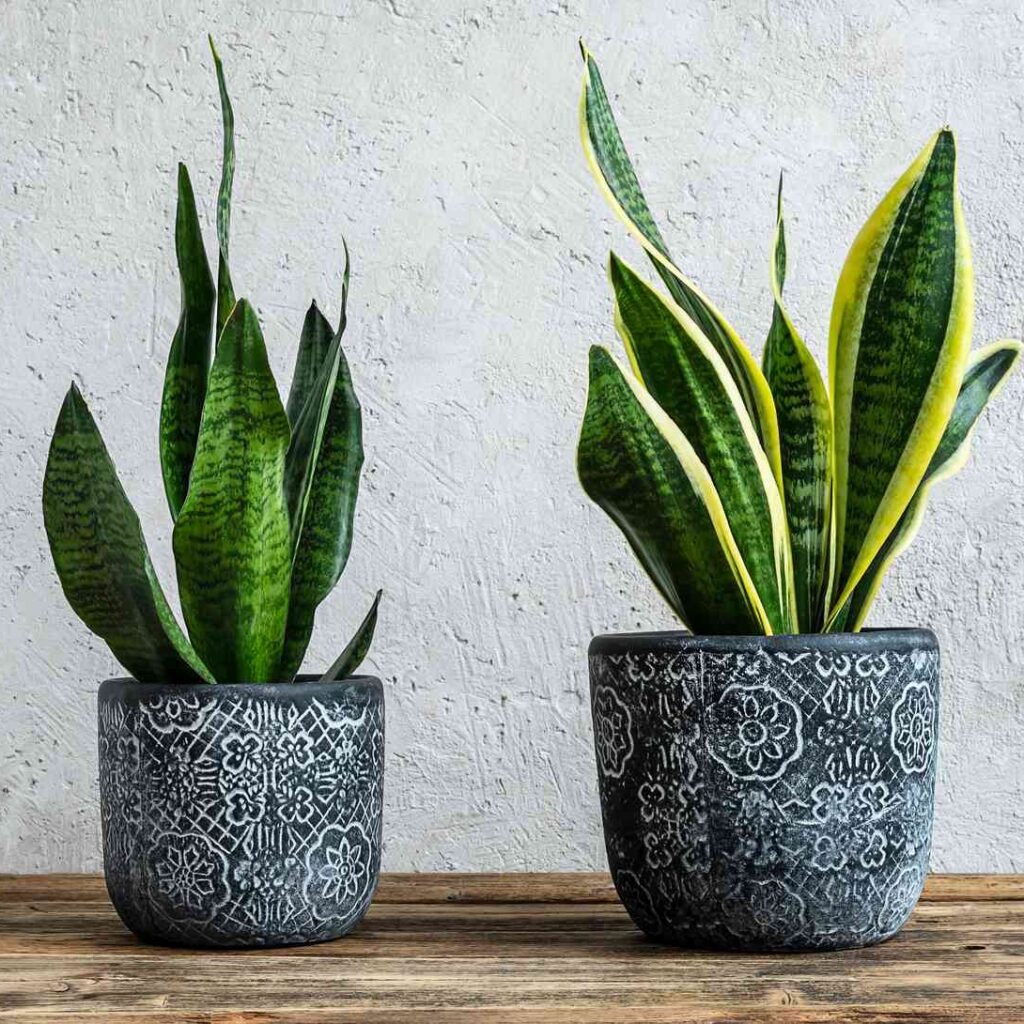
Light level is the biggest factor influencing snake plant watering needs.
1. Low Light
- Grow slowly
- Use less water
- Soil stays moist longer
- Watering should be reduced significantly
2. Medium to Bright Indirect Light
- Ideal light for snake plants
- Faster soil drying
- More frequent watering (every 2–3 weeks)
3. Direct Sunlight
Snake plants can tolerate some direct light, but too much heat increases water loss. If placed in full sun or outdoors, monitor soil moisture twice weekly.
Seasonal Watering Adjustments
Snake plants respond strongly to seasonal changes.

Spring and Summer
- Growing season
- More water needed
- Soil dries faster
- Water every 2–3 weeks
Fall
- Growth slows
- Extend watering to 3–5 weeks
Winter
- Dormant season
- Water sparingly
- Every 6–8 weeks or even less
Avoid watering during cold snaps or if soil feels chilly.
Signs Your Snake Plant Is Overwatered
Overwatering is the #1 killer of snake plants.
Look for:
- Mushy, soft, or yellowing leaves
- Foul smell from soil
- Leaves falling over
- Root rot (brown, mushy roots)
Solution:
Let the plant dry completely. If rot spreads, repot immediately in fresh, dry soil and remove damaged roots.
Signs Your Snake Plant Is Underwatered
Snake plants can handle neglect, but underwatering for too long causes:
- Wrinkled, curving leaves
- Dry, crispy leaf tips
- Soil pulling away from pot edges
- Very slow growth
Solution:
Give the plant a deep drink and resume normal watering. Avoid watering small amounts frequently.
Choosing the Right Soil and Pot Matters
Proper watering begins with the correct potting mix and container.

Best Soil Type
Use a fast-draining mix, such as:
- Cactus/succulent mix
- Potting soil + perlite + coarse sand (equal parts)
Right Pot
- Always use pots with drainage holes
- Terracotta pots are ideal—they dry faster and prevent root rot
Humidity and Temperature Impact Watering Needs
Snake plants love dry air and warm temperatures.
Temperature
- Ideal range: 18°C–27°C
- Higher temperatures = faster drying soil
- Lower temperatures = water less frequently
Humidity
High humidity slows evaporation, so reduce watering in such environments.
Special Watering Tips for Potted vs. Outdoor Snake Plants
Indoor Potted Snake Plants
- Water sparingly
- Avoid keeping near heaters or AC vents
- Check soil monthly in winter
Outdoor Snake Plants
- Rainfall may reduce the need for watering
- Ensure pot drains quickly
- Protect from monsoon overwatering
How to Know Exactly When Your Plant Needs Water
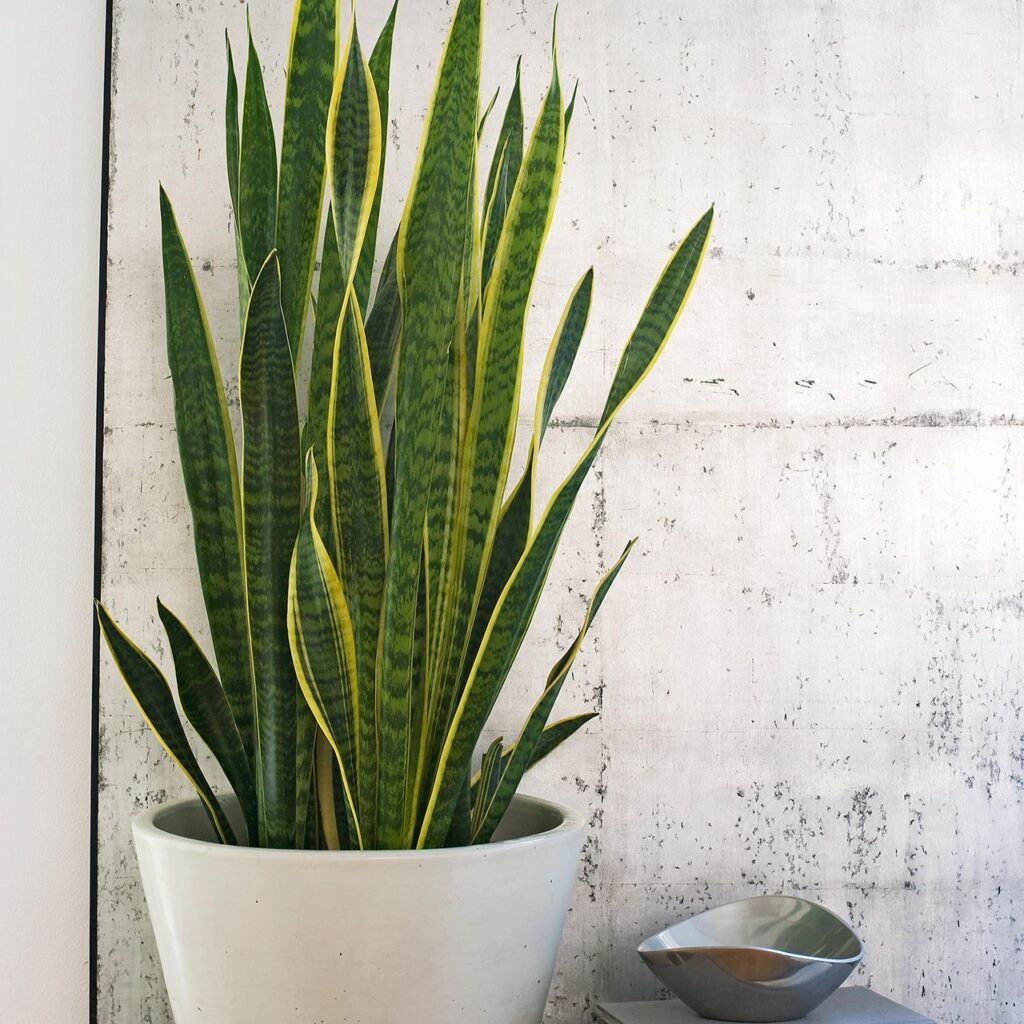
Because every home environment is different, monitor these indicators:
1. Soil moisture test → Most reliable
2. Pot weight test → Dry soil feels lighter
3. Leaf firmness → Hydrated leaves are stiff; dehydrated leaves wrinkle
4. Time since last watering → Helps create a consistent routine
Common Mistakes to Avoid
- Watering on a strict weekly schedule
- Using heavy garden soil
- Keeping the pot in a dark corner
- Mistakenly misting the plant (they do not need humidity)
- Letting water sit in the saucer
- Using a pot without drainage holes
Avoiding these mistakes ensures strong, vibrant growth.
Final Thoughts
Snake plants are one of the easiest indoor plants to care for—but proper watering is the key to keeping them healthy and growing beautifully. Remember: less water is always better than more. Let the soil dry completely before watering, adjust frequency based on light and season, and pay attention to signs from the plant itself.

Leave A Comment