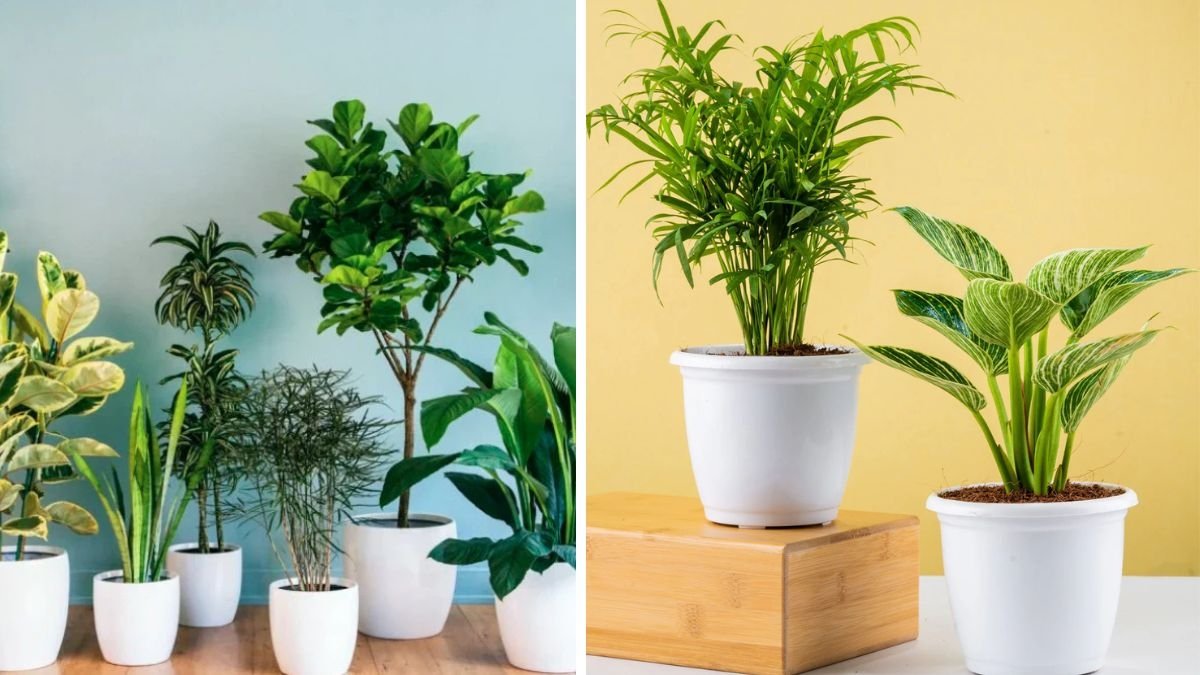
A good night’s sleep is essential for a healthy body and peaceful mind. But did you know that the air quality in your bedroom plays a huge role in how well you sleep?
Dust, indoor pollution, low oxygen levels, and toxins released from furniture and electronics can disturb your breathing and reduce sleep quality. The good news? Nature has a beautiful solution.
Bedroom plants that release oxygen and purify the air can dramatically improve your sleep environment.
In this guide, we’ll explore the 10 best high-oxygen bedroom plants that not only look stunning but also help you breathe better, sleep deeper, and wake up refreshed.
Why Bedroom Plants Improve Sleep
Plants improve indoor air in three powerful ways:
- They absorb carbon dioxide and release oxygen
- They remove harmful toxins from the air
- They increase humidity and reduce dryness
Some plants even release oxygen at night, making them perfect for bedrooms.
NASA’s Clean Air Study found that certain plants can remove toxins like formaldehyde, benzene, and carbon monoxide from indoor spaces.
Benefits of Keeping Plants in Your Bedroom
- Better breathing while sleeping
- Reduced headaches and fatigue
- Improved humidity levels
- Reduced stress and anxiety
- Enhanced room aesthetics
- Natural air purification
Now let’s explore the top 10 oxygen-rich bedroom plants.
1. Snake Plant (Sansevieria)
Also known as Mother-in-Law’s Tongue, snake plant is one of the best plants for bedroom air.
Why It’s Great
- Releases oxygen at night
- Removes formaldehyde, benzene, and xylene
- Extremely low maintenance
- Thrives in low light
Care Tips
- Water once every 10–15 days
- Keep in indirect sunlight
- Avoid overwatering
Snake plant is perfect for beginners and busy people.

2. Areca Palm
Areca palm is a natural humidifier and oxygen booster.
Why It’s Great
- Releases high levels of oxygen
- Adds moisture to dry air
- Filters indoor pollutants
- Beautiful tropical look
Care Tips
- Bright indirect light
- Water when topsoil is dry
- Mist leaves occasionally
Great for large bedrooms and master suites.
3. Peace Lily
Peace lily is known for its elegant white flowers and powerful air-cleaning ability.
Why It’s Great
- Removes mold spores
- Absorbs VOCs
- Improves indoor humidity
- Calming presence
Care Tips
- Low to medium light
- Water once a week
- Keep soil slightly moist
Perfect for minimalist bedroom décor.
4. Aloe Vera
Aloe vera is famous for its healing gel and air-purifying qualities.
Why It’s Great
- Releases oxygen at night
- Removes formaldehyde and benzene
- Improves air quality
- Medicinal plant
Care Tips
- Bright indirect sunlight
- Water every 10–15 days
- Use cactus soil
Place aloe near a sunny window for best growth.
5. Spider Plant
Spider plant is one of the fastest air-purifying plants.
Why It’s Great
- Removes carbon monoxide and formaldehyde
- Releases oxygen
- Pet-friendly
- Grows well in hanging baskets
Care Tips
- Bright indirect light
- Water once a week
- Trim brown tips
Excellent choice for small bedrooms.
6. Money Plant (Pothos)
Money plant is one of the most popular indoor plants in India.
Why It’s Great
- Removes indoor toxins
- Improves oxygen flow
- Reduces stress
- Easy to grow
Care Tips
- Grows in soil or water
- Indirect sunlight
- Water every 7–10 days
Great for bedside tables and shelves.

7. Rubber Plant
Rubber plant is a powerful air purifier with bold, glossy leaves.
Why It’s Great
- Removes carbon dioxide
- Absorbs toxins
- Increases oxygen
- Looks luxurious
Care Tips
- Bright indirect light
- Water once a week
- Wipe leaves regularly
Ideal for modern bedroom interiors.
8. Tulsi (Holy Basil)
Tulsi is a sacred and medicinal plant with incredible health benefits.
Why It’s Great
- Releases oxygen for 20 hours a day
- Absorbs harmful gases
- Boosts immunity
- Reduces stress
Care Tips
- Needs sunlight
- Water daily in summer
- Keep near a window
Tulsi is perfect for Indian homes.
9. Boston Fern
Boston fern is known for its lush green foliage and air-purifying power.
Why It’s Great
- Removes formaldehyde
- Adds humidity
- Improves oxygen
- Fresh forest-like feel
Care Tips
- Medium indirect light
- Mist regularly
- Keep soil moist
Perfect for dry climates.
10. Jasmine Plant
Jasmine isn’t just beautiful — it’s a natural sleep enhancer.
Why It’s Great
- Releases calming fragrance
- Reduces anxiety
- Improves sleep quality
- Boosts oxygen
Care Tips
- Bright light
- Regular watering
- Prune for bushy growth
Its fragrance naturally relaxes your nervous system.
Best Placement for Bedroom Plants
To get maximum oxygen benefits:
- Place plants near windows
- Keep one near your bed (not too close)
- Use corner spaces for tall plants
- Avoid blocking air circulation
2–3 plants in a bedroom are enough to improve air quality.

Plants to Avoid in the Bedroom
Some plants are not ideal for sleeping spaces:
- Strongly scented plants (in excess)
- Plants that attract insects
- Plants requiring constant misting
- Large pollen-producing plants
Always choose low-maintenance, clean-air plants.
How Many Plants Should You Keep?
For a standard bedroom:
- Small room: 2 plants
- Medium room: 3–4 plants
- Large room: 5–6 plants
Avoid overcrowding the room.
Extra Tips for Healthy Bedroom Plants
- Clean leaves monthly
- Avoid overwatering
- Rotate plants for even growth
- Use organic fertilizer
- Keep away from AC airflow
Final Thoughts
Your bedroom should be a place of peace, comfort, and healing — and plants can transform it into a natural wellness zone.
By choosing the right high-oxygen plants, you can:
Improve sleep quality
Breathe cleaner air
Reduce stress
Enhance bedroom beauty
Start with just one or two plants, and soon you’ll notice the difference in your sleep, mood, and overall well-being.

Leave A Comment